
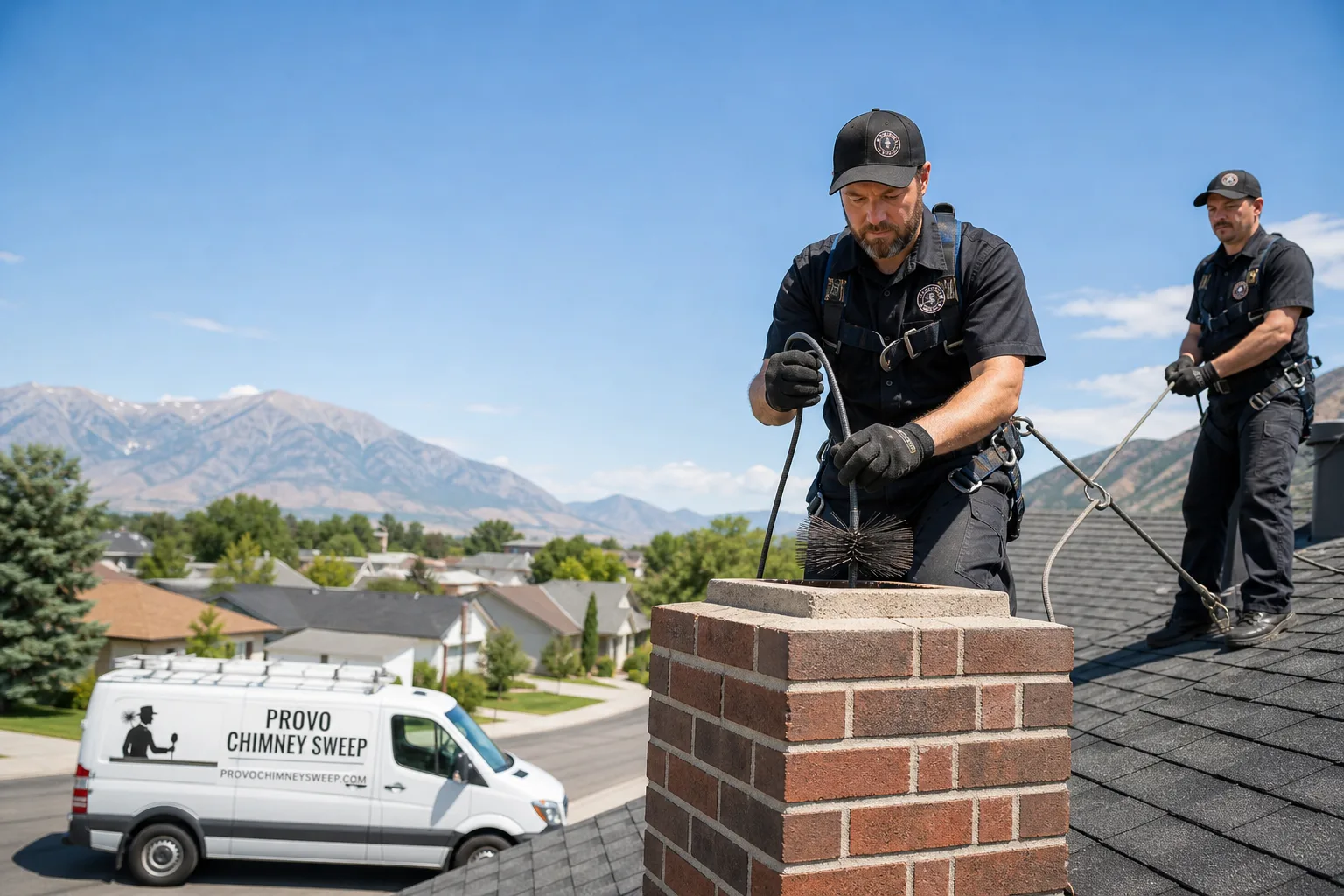
 Sweep & inspection
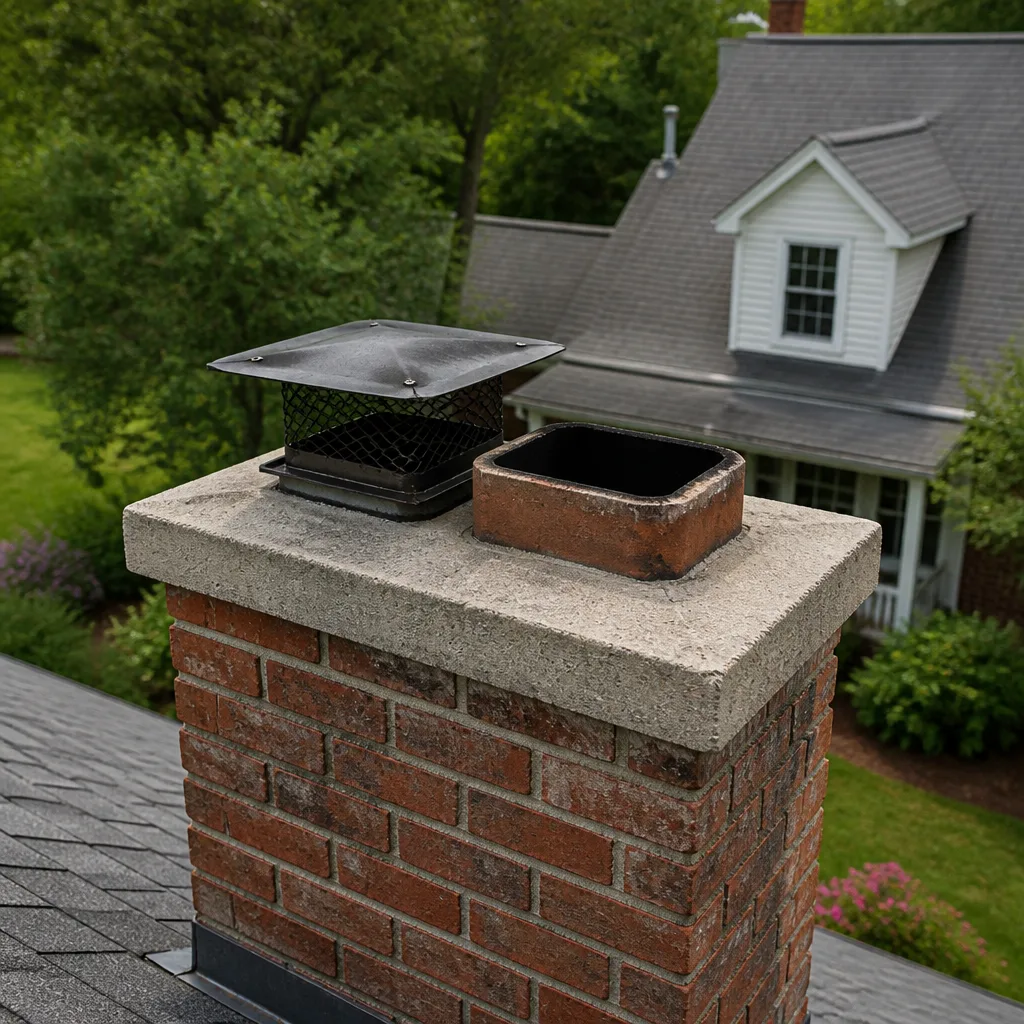
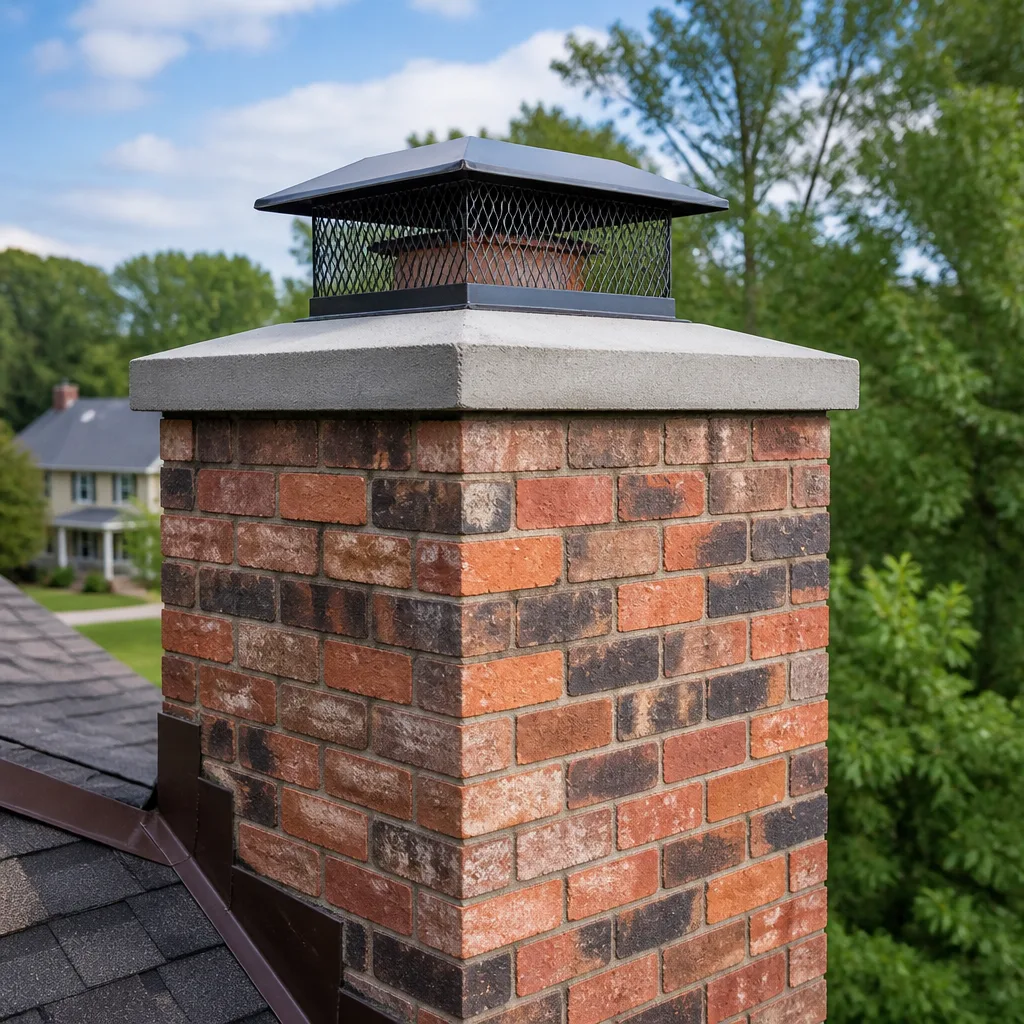 Caps & crowns
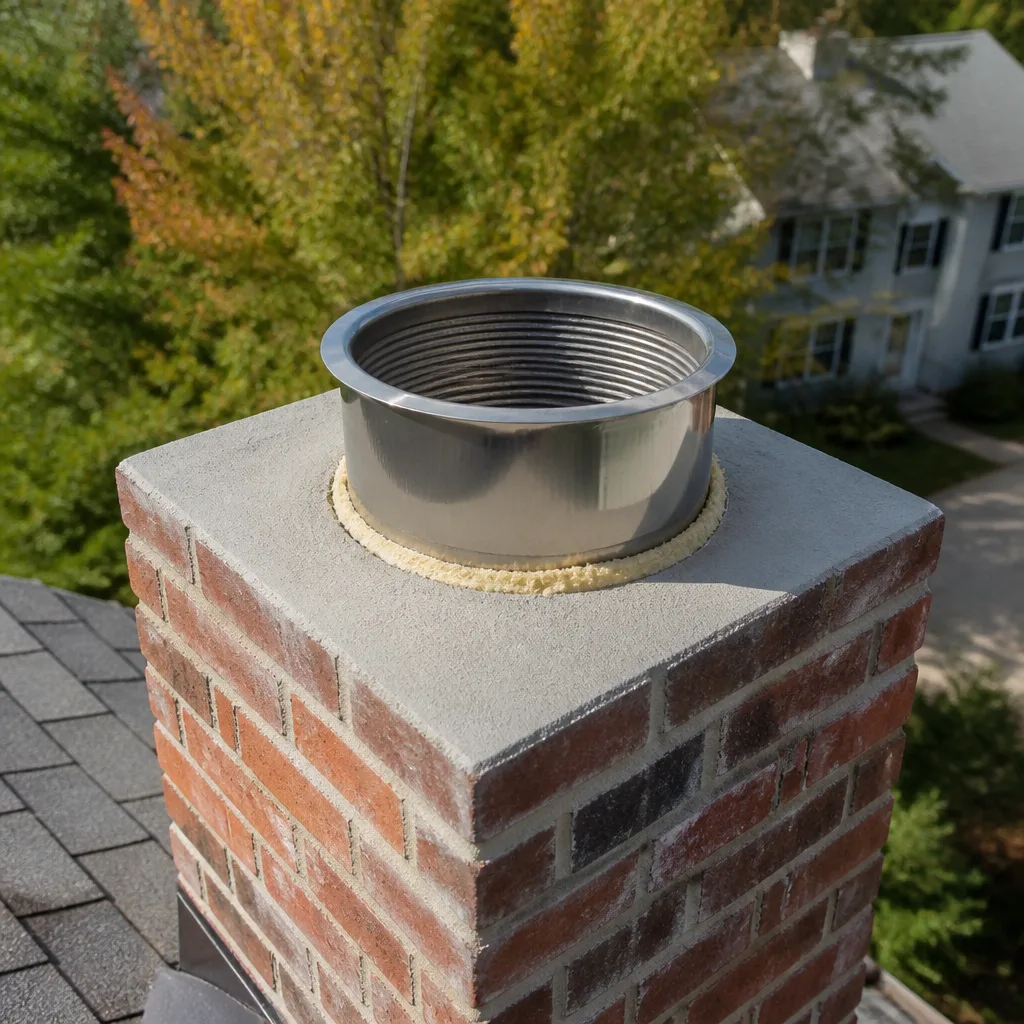 Flue relining
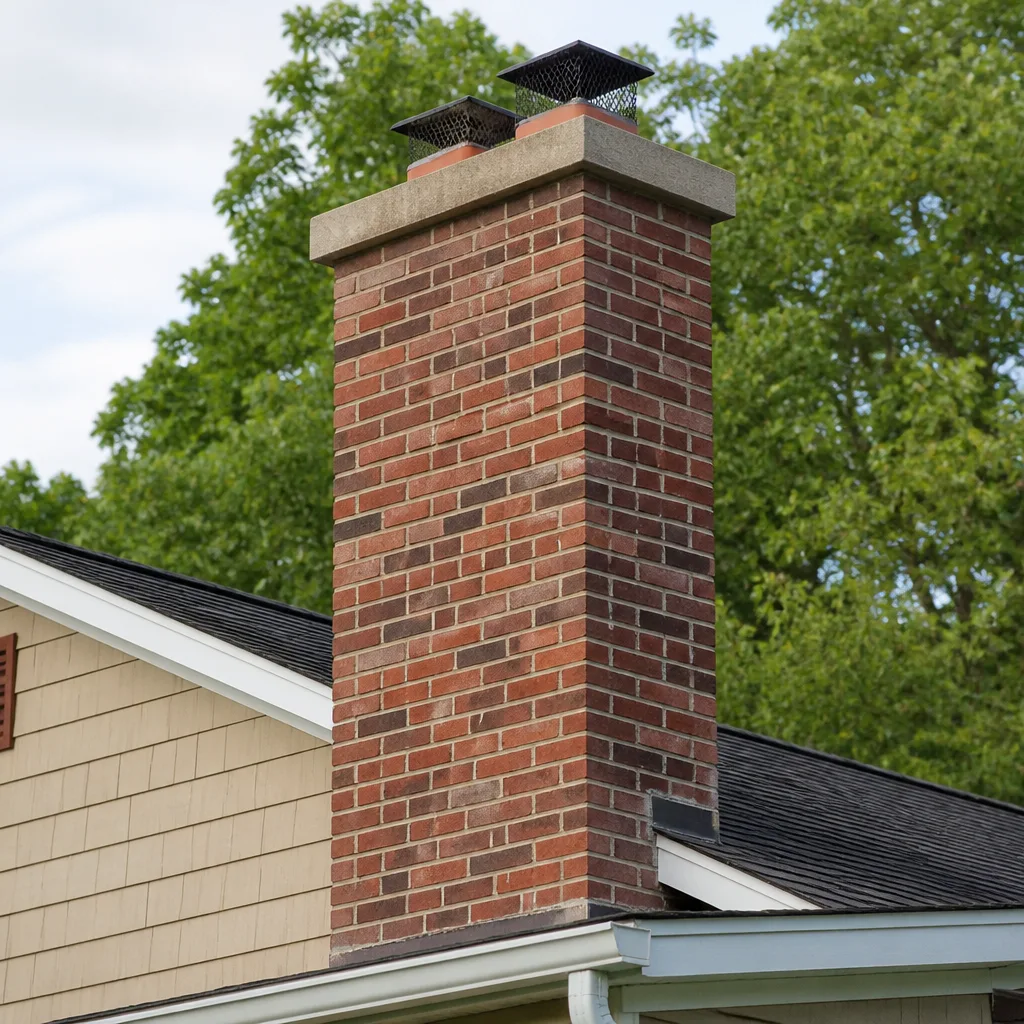 Masonry repair
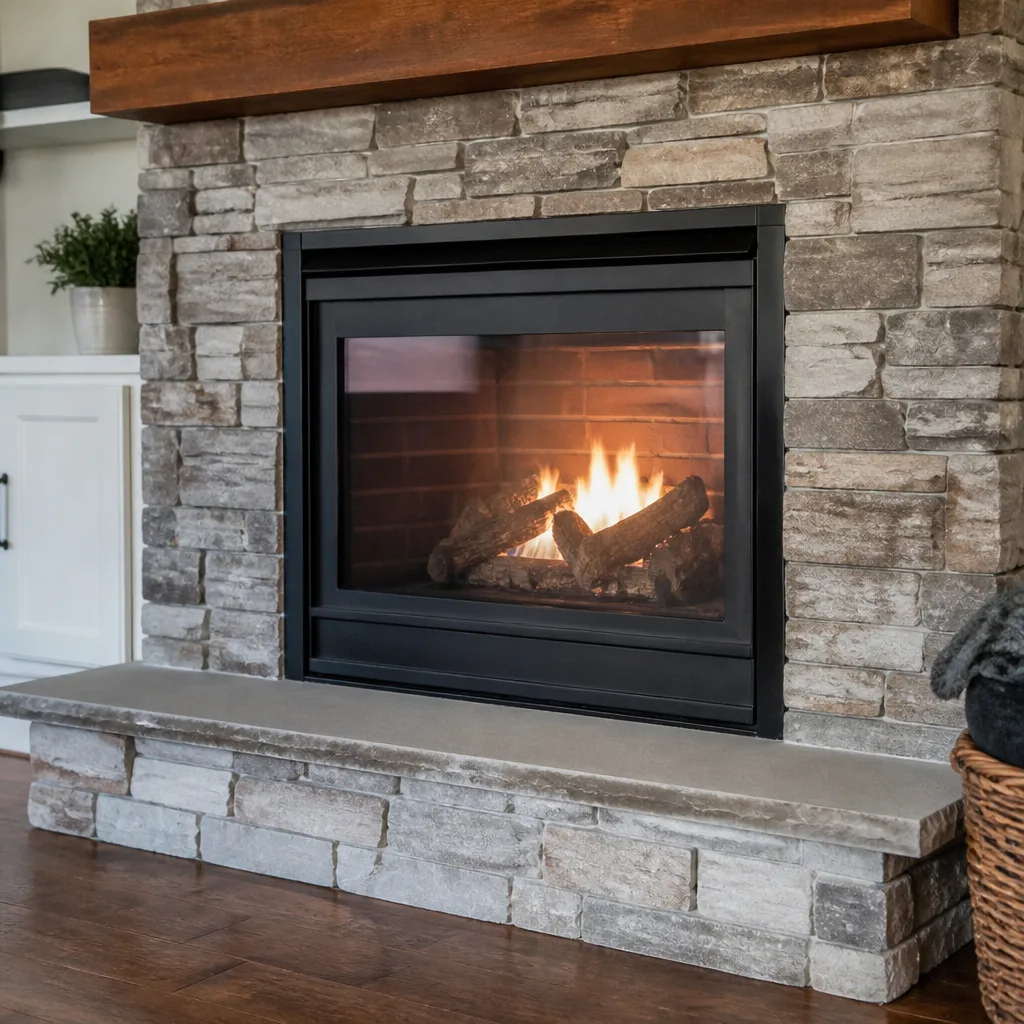 Gas fireplace service
Level 1 sweep and inspection to the NFPA 211 annual standard - flue, crown, cap, and flashing checked and photographed
Chimney sweep logs do not sweep chimneys. They loosen some creosote - which then falls where a brush and vacuum still have to collect it.
Trusted Chimney Inspection for Provo Homeowners
Most chimney problems announce themselves quietly, and by the time a homeowner notices, the damage has already spread. Staining on the firebox wall, a faint creosote smell that never quite goes away, smoke that rolls out of the opening instead of up the flue – these are the things a real inspection catches before they turn into a liner replacement. Provo homes sit in a valley where winter inversions trap cold air and wood smoke close to the ground, and a chimney that drafts poorly in January drafts poorly all season. Our technicians have up to 10 years of experience with chimneys and nothing but chimneys, so an inspection from us is a structural and safety evaluation, not a quick glance with a flashlight. We inspect before we sweep and repair before you light; if the flue is sound, we tell you so and leave it alone. Same-day inspections are often available in Provo, and we can work with your insurer when a report needs to go to them. Call (866) 330-1947 to book – we answer 24/7, with fast dispatch from 7am to 7pm, Sunday through Friday.
What Our Chimney Inspection Service Includes
Every inspection is one of three recognized levels, and the level you need depends on what’s happening with your chimney, not on what’s easiest to sell. Here’s how each one works and when it applies.
Level 1 Inspection
A Level 1 inspection is a visual check of all readily accessible portions of the chimney, firebox, and venting system without tools that could disturb the structure. It’s the right choice for a chimney that’s in continuing service and hasn’t changed – same appliance, same fuel, no known problems. We check the firebox condition, damper operation, visible flue interior, cap, crown, and exterior masonry, then give you a plain-language read on what we found and whether anything needs attention before the next fire.
Level 2 Inspection
A Level 2 inspection covers everything in a Level 1 and adds a full video scan of the flue plus inspection of accessible attic and crawlspace areas where the chimney passes through. You need this level after any change in the system – a new stove or insert, a fuel switch, a flue liner install – or after a chimney fire, earthquake, or building renovation. It’s also the standard inspection for a home sale. We run a camera through the full length of the flue and document what it shows, so you’re looking at evidence rather than a verbal summary.
Level 3 Inspection
A Level 3 inspection is the most involved and is only warranted when a Level 1 or Level 2 has uncovered a serious concern that requires access to concealed areas, which can mean removing parts of the chimney or surrounding structure. It’s not something we recommend casually. If your chimney reaches this point, we explain exactly what needs to be opened, why, and what we expect to find, and we don’t start that work without your agreement on the scope.
Camera Inspection
We push a camera through the flue to see the liner walls, joints, and offset sections that no flashlight can reach. This is how we find hairline cracks, gaps at liner seams, missing mortar, and heavy creosote glaze hiding above the smoke shelf. A camera inspection turns guesswork into a photo report you keep – and if a liner is actually fine, the camera proves that too.
Flue Inspection
A focused flue inspection looks at the venting path itself: liner integrity, sizing against the appliance, draft performance, and whether the flue is clear of nests, debris, or blockages. It matters most when you’ve noticed backdraft, sluggish draft, or smoke smell in the house during cold starts. We check sizing against the appliance you’re actually burning in, because an oversized flue draws poorly no matter how clean it is.
Real Estate Inspection
Buying or selling a home in Provo means the chimney needs a Level 2 inspection before closing, and a written report with photos is what lenders, buyers, and insurers want to see. We document the condition of the firebox, flue, cap, crown, and visible exterior, and we’ll flag what’s a safety item versus what’s routine maintenance. Sellers get a clear picture of what a buyer’s inspector will find, and buyers get an honest read instead of a list of guesses. A full chimney inspection like this usually takes about an hour for a single flue.
Styles & brands we work with
- Sweep & inspection
- Caps & crowns
- Flue relining
- Masonry repair
- Gas fireplace service
Brands We Service for Chimney Inspection
Chimney components are not all built the same, and knowing how specific product lines age tells us where to look first. Gelco chimney products show up in a lot of Utah homes, and we know their component construction well enough to spot the wear points that matter during an inspection – the joints and connections that loosen before anything else fails. Famco caps and terminations have their own fit and fastening characteristics, and when we inspect one we check the mounting and seal rather than just glancing at it from the ground.
Olympia Chimney venting and Copperfield liners each have quirks in how they age, how their seams behave under heat cycles, and what a proper installation should look like from the inside. That familiarity is what lets us tell the difference between normal wear and a genuine defect, and it’s why we can recommend a specific repair rather than a vague one. Whether you have Gelco, Olympia Chimney, Famco, or any other make, we can help – and if a part needs replacing, we’ll tell you what it is and why.
Signs You Need Chimney Inspection Right Now
- Smoke rolling back into the room. Backdraft on a cold start can mean a blocked flue, a draft problem, or a flue sized wrong for the appliance. All three are worth diagnosing before the next burn, because smoke in the living space also means combustion gases can follow.
- Staining or white chalky residue on the firebox or exterior. Efflorescence and dark staining both point to moisture moving through masonry, and moisture is what drives spalling and joint failure. Catching it early usually means a repair, not a rebuild.
- Visible mortar damage or loose bricks. Crumbling mortar joints on the chimney chase let water in and weaken the structure from the outside in. A camera inspection confirms whether the damage reaches the flue liner or stays on the exterior.
- A missing, loose, or damaged cap. An open flue is an invitation for rain, birds, and debris, and a loose cap can tear at the crown as it shifts. Cap and crown problems are among the most common issues we find on Provo roofs.
- A creosote smell, especially in warm weather. That sharp, smoky odor in summer means creosote has built up and is off-gassing – and glazed creosote is the fuel behind chimney fires. A sweep and inspection resolves it before the heating season starts.
Creosote buildup and carbon monoxide are the two real hazards in any wood-burning chimney. A blocked or cracked flue can let carbon monoxide back into the house, and heavy creosote can ignite inside the flue. Both are reasons to have a trained professional evaluate the chimney rather than diagnose it yourself; we don’t recommend homeowners probe or open up flues on their own.
Our Chimney Inspection Process – Step by Step
- 1
Walkthrough and interview. We start by asking how you use the fireplace, what fuel you burn, and what you’ve noticed – smoke, smell, draft, or nothing at all. That conversation decides which inspection level fits and keeps you from paying for a Level 2 when a Level 1 will do.
- 2
Exterior and accessible-component check. We examine the cap, crown, flashing, masonry joints, and the chimney chase from the roofline, looking for water entry points and structural movement. Anything we find here gets photographed for your report.
- 3
Firebox and damper evaluation. We check firebox wall condition, damper operation, and the smoke chamber for gaps and buildup. The smoke chamber is a common source of hidden problems because it’s hard to see without the right lighting and angle.
- 4
Video scan of the flue. A camera runs the full length of the flue to document liner condition, joint gaps, and creosote thickness. This is where the real diagnosis happens, and you’ll see the footage and photos yourself rather than taking our word for it.
- 5
Written report and estimate. We hand you a clear report of what we found, what it means, and what we’d recommend – including when work can safely wait. Nothing gets recommended without camera evidence to back it up, and the written estimate sets the final price.
See the difference
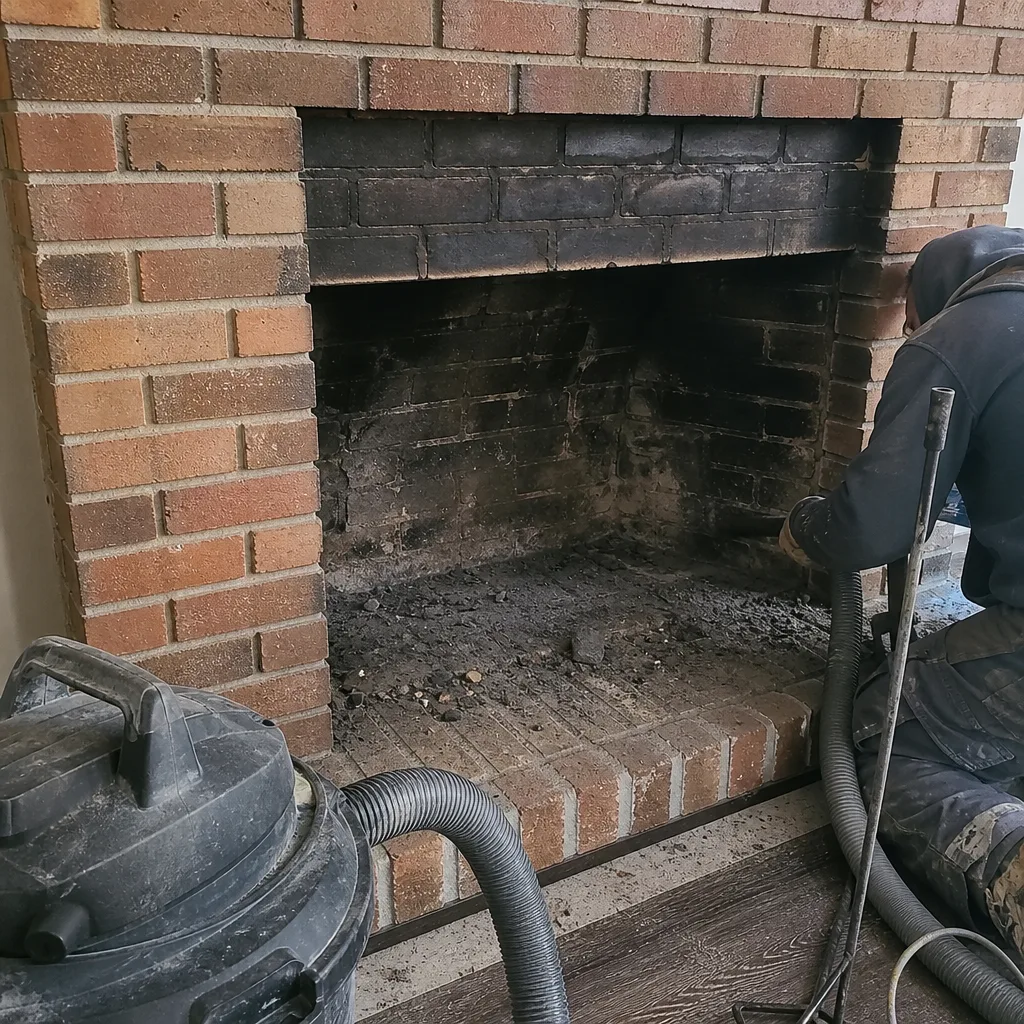 Before
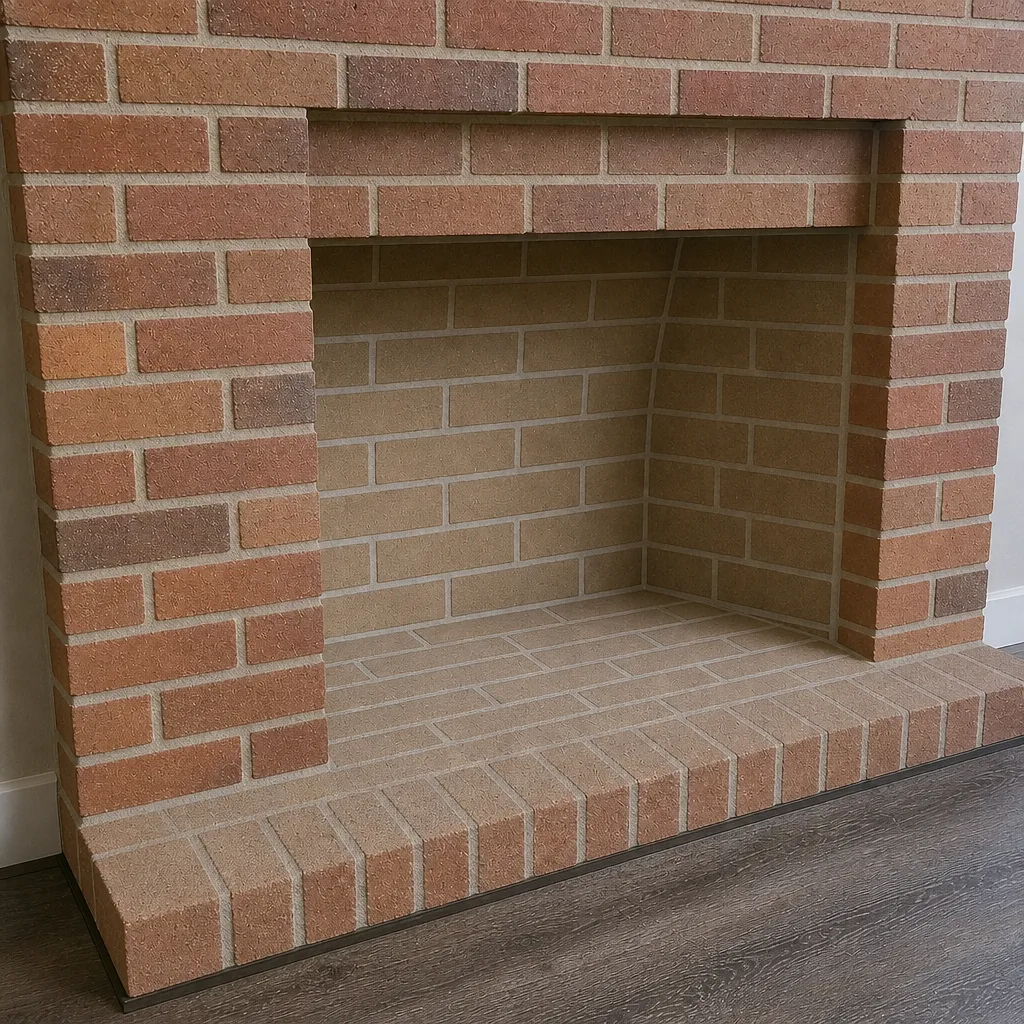 After
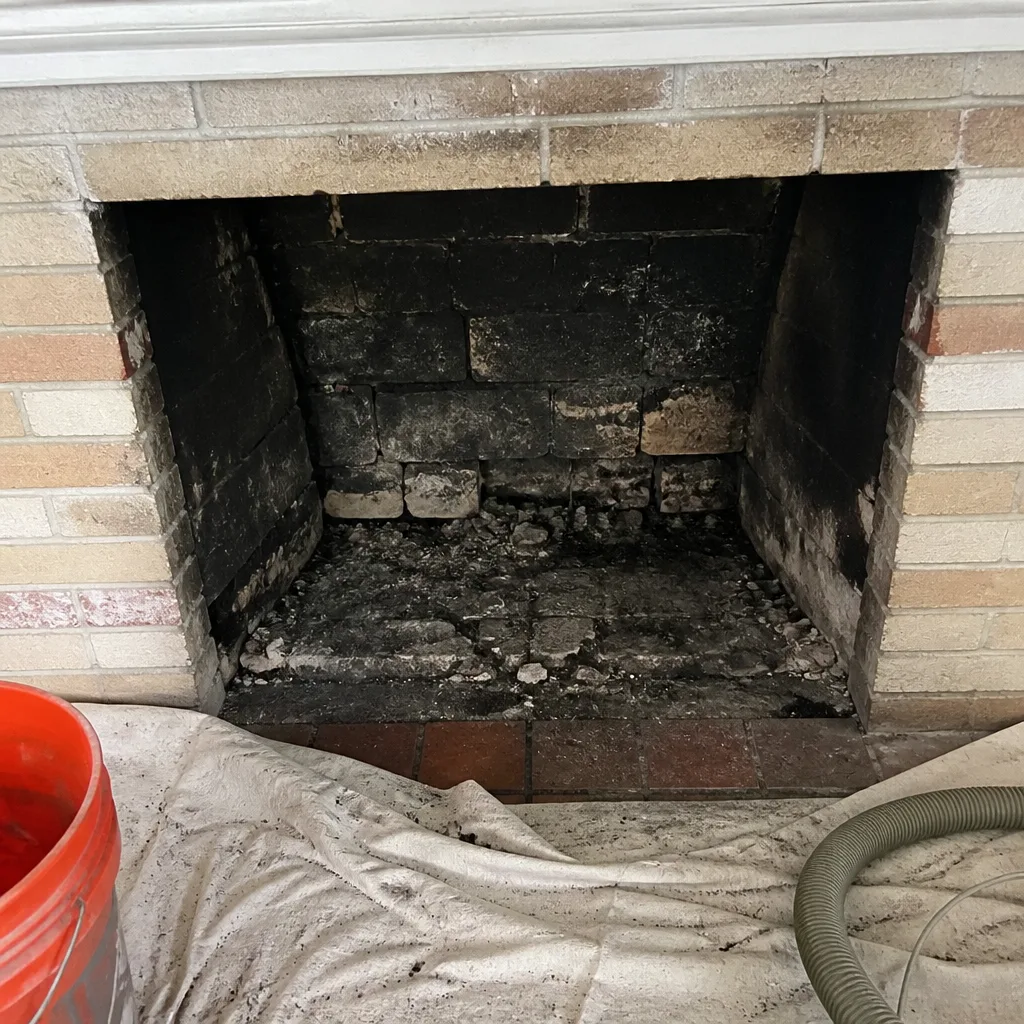 Before
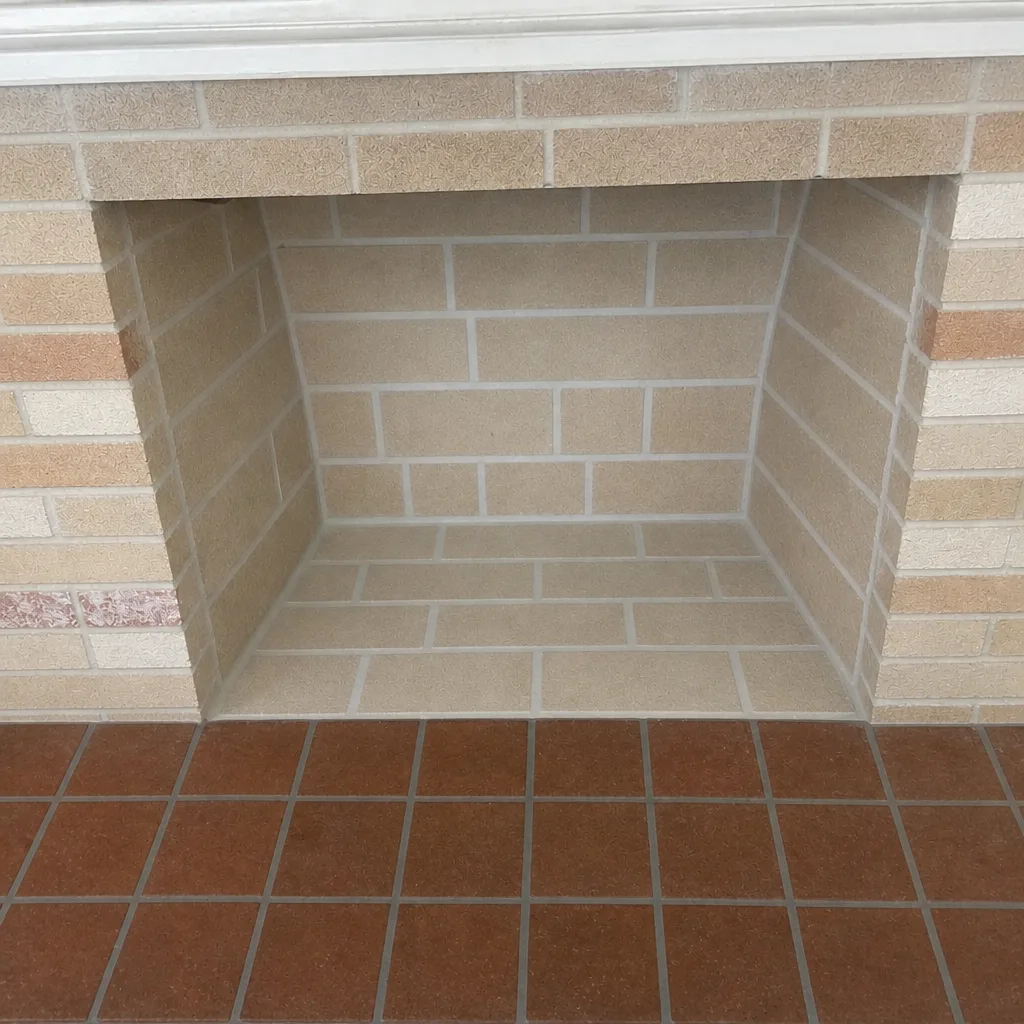 After
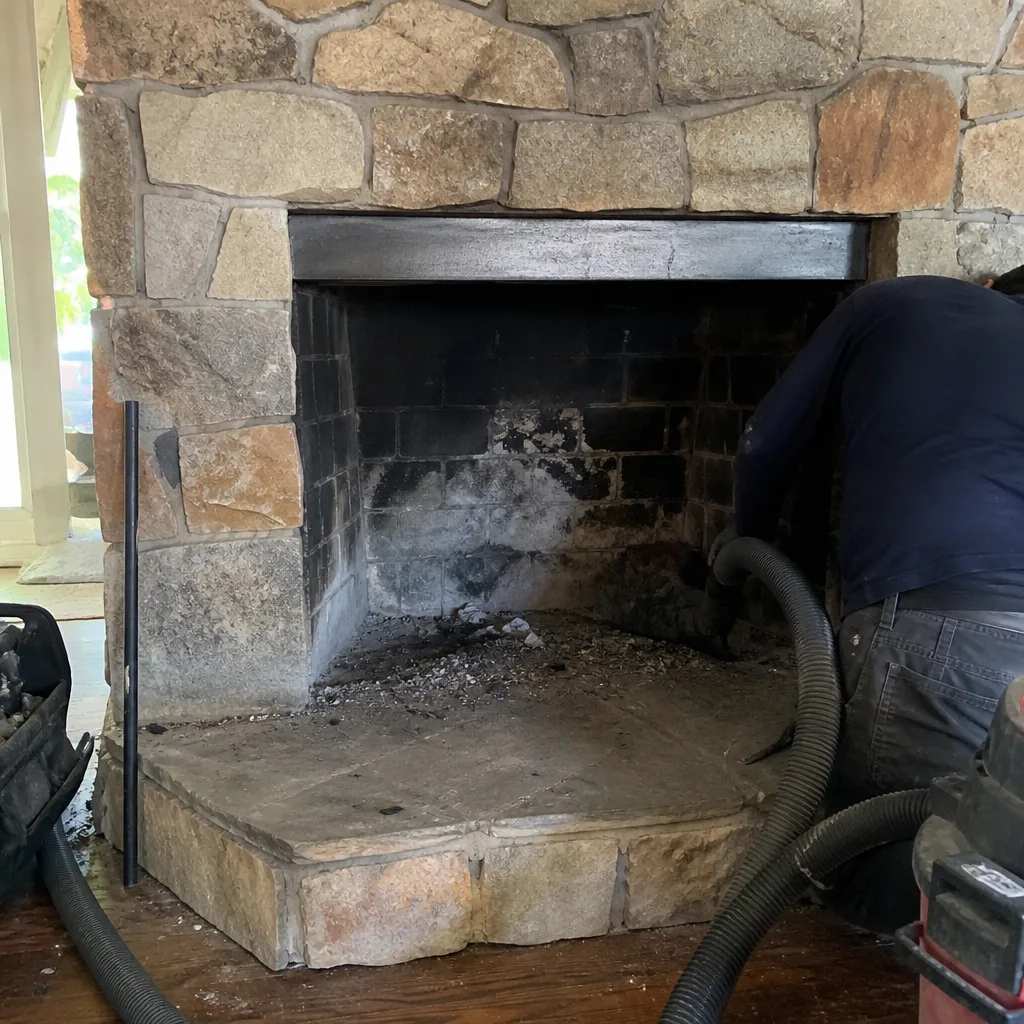 Before
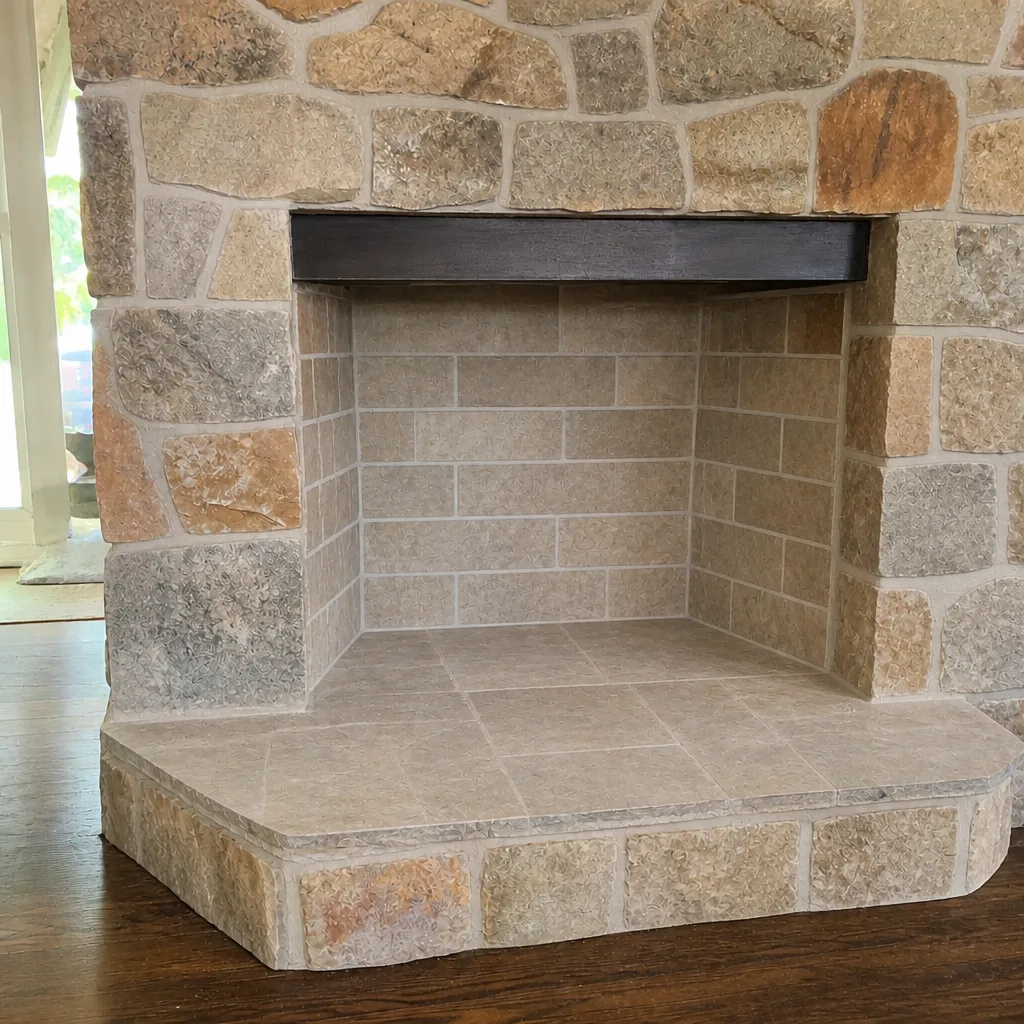 After
How Much Does Chimney Inspection Cost in Provo?
Chimney inspection pricing in Provo tracks the level of inspection and the number of flues, so a straightforward Level 1 on a single wood-burning flue sits at the low end while a Level 2 with a full video scan and a real estate report lands higher. Most inspections come in as a modest line item compared with the repair work they prevent, and the exact number is set by the written estimate after we’ve seen the chimney.
| Inspection type | Typical Provo range | What drives the price |
|---|---|---|
| Level 1 visual inspection | Lowest of the three | Single flue, no tools required, no known changes |
| Level 2 with video scan | Moderate | Full flue camera scan, attic/crawlspace access, written report |
| Real estate inspection | Moderate | Level 2 documentation plus a report formatted for buyers and lenders |
| Level 3 inspection | Highest | Access to concealed areas, which may mean opening structure |
What affects the price: the number of flues (a two-flue chimney means two scans), roof access, whether a camera is needed, and whether concealed areas have to be opened up. How to avoid overpaying: don’t accept a liner or masonry quote without seeing the camera footage first, and ask whether the inspection tier actually matches your situation. What’s included in a free estimate: the inspection level you need, the findings with photos, and a written price for any repair. We don’t recommend work without evidence you can look at yourself, and when something can wait, we say so.
Chimney Inspection Near Provo – Our Service Area
We inspect chimneys throughout Utah County and into the Heber Valley, including chimney inspection in Mapleton and Salem, and further south in Payson, Elk Ridge, Santaquin, and Benjamin. Orem and Springville are close neighbors, and West Mountain, Midway, and Heber are a reasonable drive on the same schedule. Timing depends on the season and the route, so when you call we’ll tell you the next opening rather than promise a window we can’t hold.
Serving Provo, UT – Our Local Coverage Area
We serve Provo and nearby communities. Use the map below to see the area we cover. If you’re nearby, we can almost certainly help.
Frequently Asked Questions – Chimney Inspection in Provo
A chimney inspection is a professional evaluation of the flue, firebox, cap, crown, and exterior masonry to check for safety and structural problems. It’s not the same as a sweep – sweeping removes creosote, while an inspection diagnoses whether the venting system is sound and what it needs. The three recognized levels range from a visual check to a full inspection involving concealed-area access. Call (866) 330-1947 for a free estimate and we’ll tell you which level fits your chimney.
Most single-flue inspections take about an hour, and a Level 2 with a full video scan runs a little longer. Real estate inspections sometimes take a bit more time because the written report has to document every finding with photos. Two-flue chimneys and roof access add to the visit. Call (866) 330-1947 for an exact quote – estimates are free.
Inspection cost depends on the level you need and how many flues are involved, with a Level 1 at the low end and a Level 3 at the high end. The written estimate sets the final price, and there’s no charge for the estimate itself. We don’t quote a liner or masonry repair until the camera scan backs it up. Call (866) 330-1947 for an exact quote – estimates are free.
Yes, we service Gelco, Famco, and Olympia Chimney components along with Copperfield liners and other major makes. Our technicians have up to 10 years of experience with these product lines, which means we know their wear patterns and can tell a normal joint from a failing one. When a component needs replacing, we source the right professional-grade part for the flue rather than improvising. Call (866) 330-1947 and tell us what you have.
Same-day inspections are often available in Provo, and the fastest way to find out is to call. We answer 24/7, with fast dispatch from 7am to 7pm, Sunday through Friday. If you call outside dispatch hours, we book you into the next opening rather than leaving you guessing. Call (866) 330-1947 to check availability.
Our work is backed by a satisfaction guarantee, and the parts we install carry the manufacturer’s warranty for the product line. The written estimate spells out the repair scope and what’s covered, so there’s no ambiguity after the fact. If something we installed isn’t right, we come back and make it right. Call (866) 330-1947 with questions about a specific repair.
Clear the hearth and the floor in front of the fireplace, make sure we can reach the firebox, and don’t burn anything for at least 24 hours before the visit. If you have attic or crawlspace access near the chimney, clear a path so we can inspect where the flue passes through. Let us know about any prior repairs, liner installs, or appliance changes. Call (866) 330-1947 if you’re unsure what to move.
Schedule Your Chimney Inspection Service in Provo Today
Inspect before you sweep, repair before you light. Whether you’re due for an annual chimney inspection or you’ve spotted smoke, staining, or a loose cap, booking the visit is the cheapest step you’ll take. If your inspection turns up repair work, we handle it in-house – from chimney repair and liners to a properly fitted Provo Chimney Sweep cap and crown install – so you’re not handed off to a subcontractor. Call (866) 330-1947 for a free, no-obligation estimate. We answer 24/7, with fast dispatch from 7am to 7pm, Sunday through Friday.
Written by the team at Provo Chimney Sweep.