
Last updated November 25, 2026
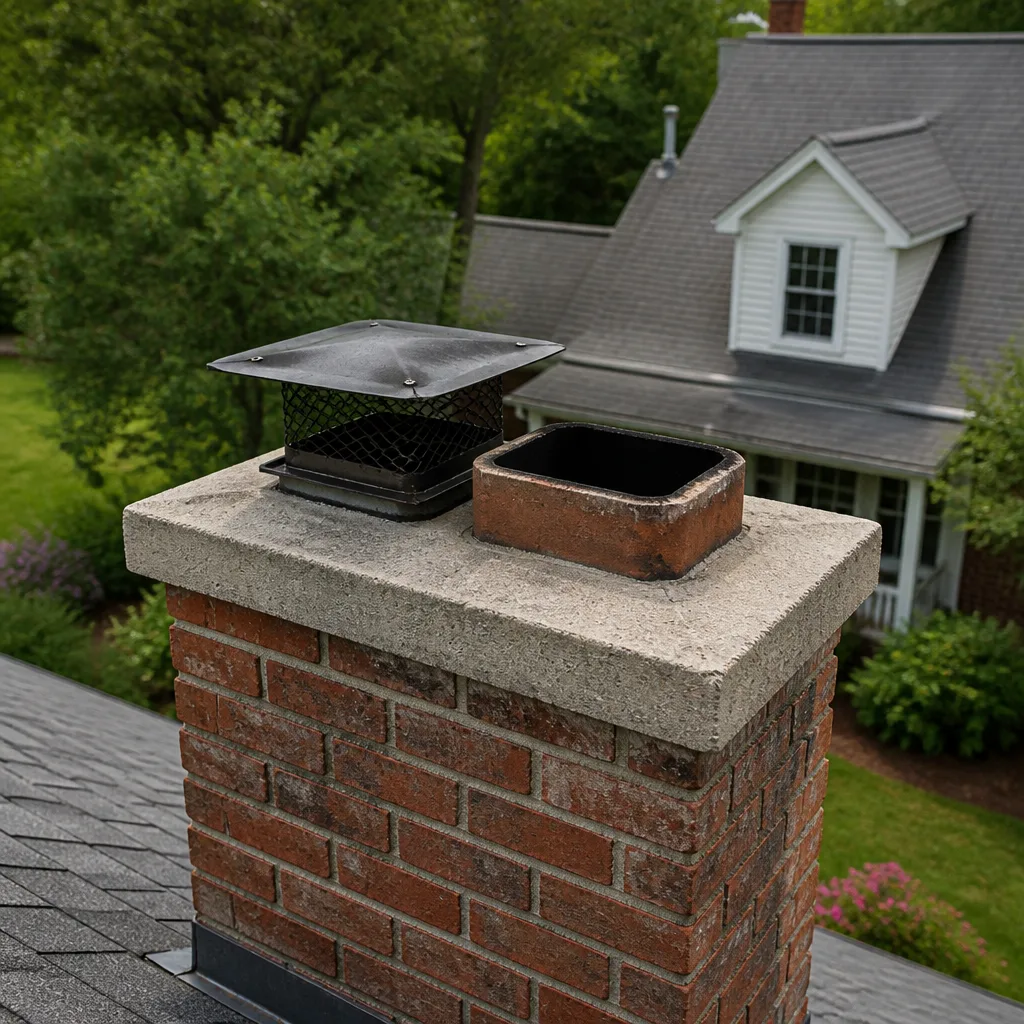 Sweep & inspection
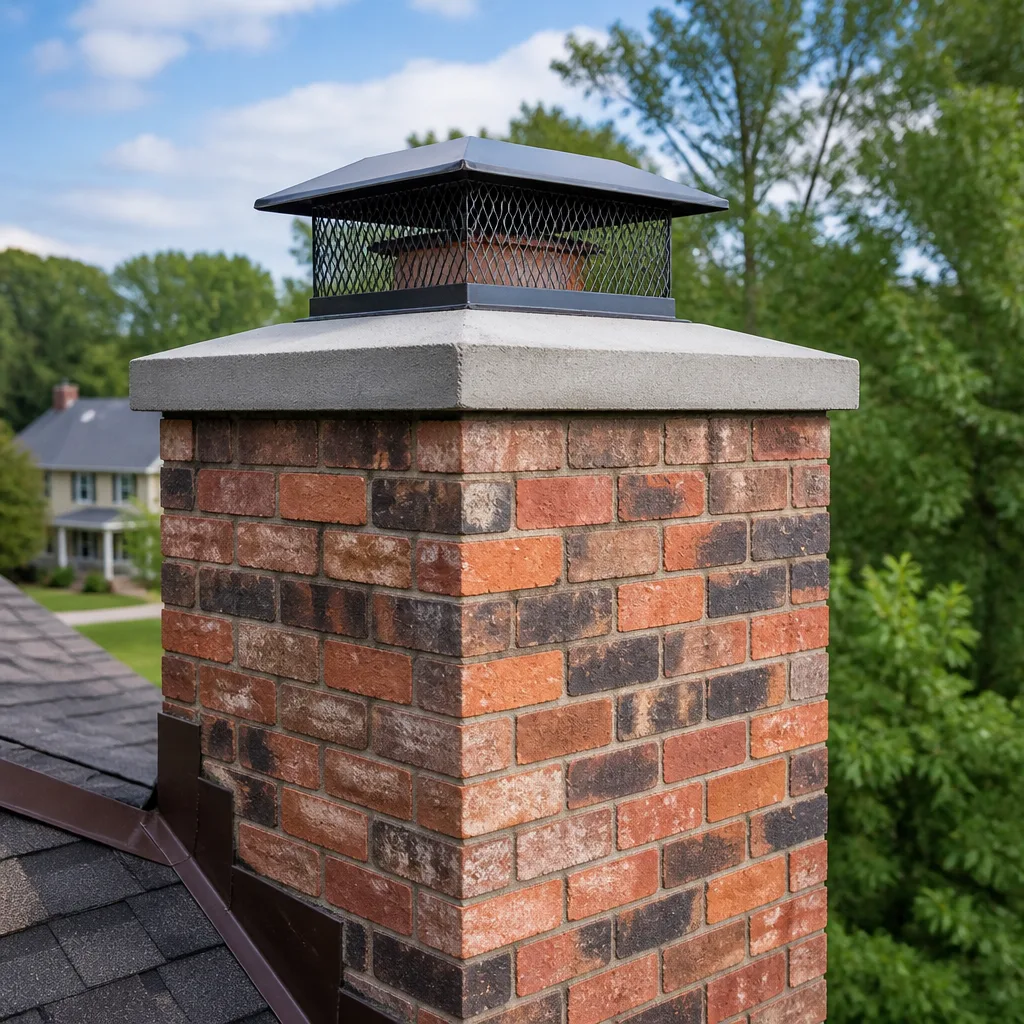 Caps & crowns
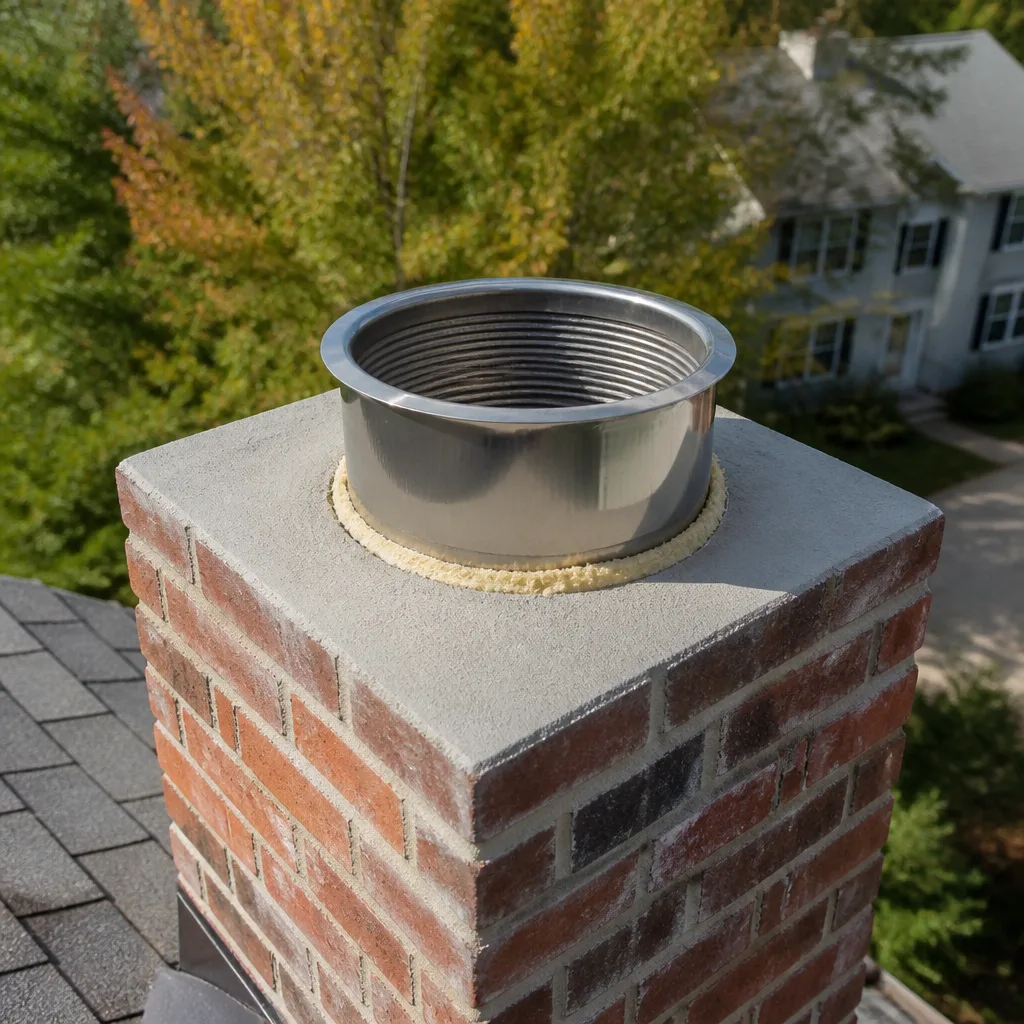 Flue relining
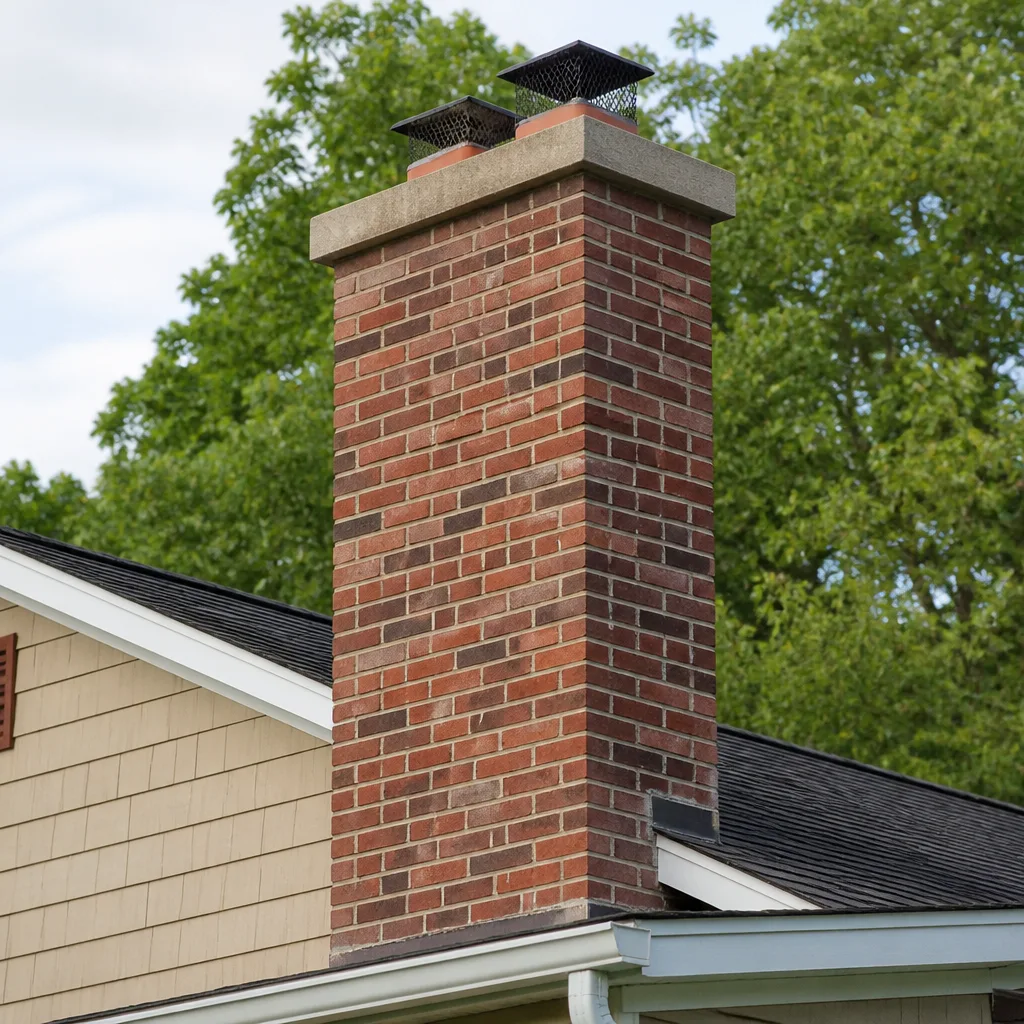 Masonry repair
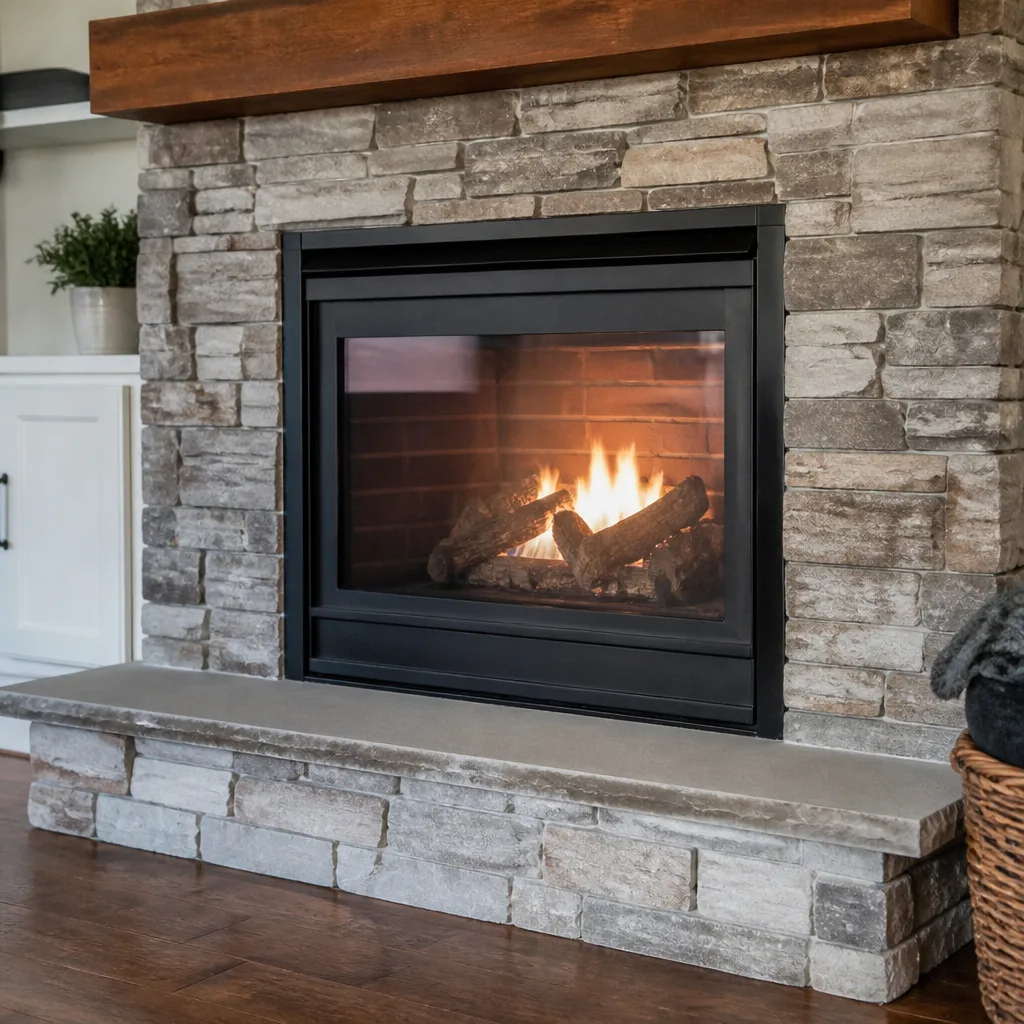 Gas fireplace service
Level 1 sweep and inspection to the NFPA 211 annual standard - flue, crown, cap, and flashing checked and photographed
Chimney sweep logs do not sweep chimneys. They loosen some creosote - which then falls where a brush and vacuum still have to collect it.
Seasonal Chimney Cleaning Care for Provo: Year-Round Homeowner’s Guide
Most chimney advice tells you to book a sweep in October. In Provo, that timing is backwards. By the time the first hard cold snap rolls through Utah Valley, homeowners are already lighting fires in flues that sat untouched since spring, and the inspection that should have caught a cracked crown or a heavy creosote load happens after the fact. Provo’s climate doesn’t follow a generic “clean once a year in fall” calendar. Freeze-thaw cycles, winter inversion events, a long heating window, and dry summers each create a different set of chimney risks that need a different response. This guide walks through what to do in each season, why late August is smarter than October, and how gas fireplaces fit into the picture.
Quick Answer
The best time to schedule chimney cleaning and inspection in Provo is late August or early September, before the heating season starts. Spring and early summer are the right windows for structural repairs like crown sealing, waterproofing, and liner resurfacing, because freeze-thaw damage is visible and repairs cure well in warm, dry weather. Wood-burning fireplaces need an annual sweep and inspection; gas fireplaces still need annual service even though they produce no creosote.
Styles & brands we work with
- Sweep & inspection
- Caps & crowns
- Flue relining
- Masonry repair
- Gas fireplace service
Table of Contents
- Why Provo’s Climate Breaks the Standard Chimney Calendar
- Spring: Reading Freeze-Thaw Damage After the Heating Season
- Summer: The Right Window for Liner Inspections and Crown Work
- Fall: The Pre-Season Checklist Before the First Fire
- Winter: Inversions, Draft Problems, and What to Watch For
- Gas Fireplaces vs. Wood-Burning: How Seasonal Care Differs
- How a Seasonal Sweep and Inspection Actually Works
- What Chimney Care Typically Costs in Provo
Why Provo’s Climate Breaks the Standard Chimney Calendar
Provo sits in Utah Valley against the Wasatch Range, and that geography sets the chimney care schedule more than any generic “clean in fall” rule does. Three things matter: the long heating season, the valley’s winter inversion events, and the sharp freeze-thaw cycle that works on masonry from November through March.
The heating window here typically runs from late October into April. That’s roughly five to six months of regular fire-building, which is far more burn time than a mild-climate homeowner ever puts on a flue. Creosote accumulates in proportion to burn hours and how the fire is run, so a Provo flue can carry a season’s worth of deposit by early spring.
Freeze-thaw is the second driver. Masonry is porous, and water that soaks into brick, mortar, and a concrete crown expands when it freezes overnight and contracts when it thaws during the day. Repeat that cycle across a Provo winter and small cracks widen. A crown that looked fine in October can be spalling by March. This matters because a compromised crown lets water into the chimney structure itself.
Inversions are the third driver, and they’re the piece most chimney calendars ignore entirely. During a valley inversion, a layer of cold air gets trapped beneath warmer air above, and that temperature profile affects how a chimney drafts. We’ll come back to the mechanics in the winter section. The point for now: Provo’s chimney care calendar is driven by local weather patterns, not the calendar on a national franchise’s website.
If you want to understand how the company frames chimney care overall, the Provo Chimney Sweep page covers the range of services and how they fit together across a full year.
Spring: Reading Freeze-Thaw Damage After the Heating Season
Spring is diagnostic season. Once you stop lighting fires, the chimney stops producing heat and moisture from combustion, and the masonry begins to dry out. That drying reveals what winter did to it. Walking around the outside of the chimney in April or May shows damage that was invisible under snow and ice.
Three signs are worth checking specifically:
- Spalling. Brick faces that flake, peel, or pop off in layers. Spalling means water got inside the brick and froze, and the surface failed as a result. Left alone, spalling progresses down through the brick.
- Efflorescence. A white, powdery salt deposit on the chimney’s exterior. Efflorescence itself is cosmetic, but it’s a sign that moisture is moving through the masonry. Where there’s efflorescence, there’s usually a path for water to get in.
- Mortar joint deterioration. Look for joints that are recessed, crumbly, or missing entirely. On a Provo chimney, joint erosion that started in a mild crack can widen noticeably in a single winter of freeze-thaw.
Spring is also the right time to catch these while repairs are still simple. Repointing a set of mortar joints or sealing a hairline crown crack in May is a modest job. Doing the same work in September after another winter of water intrusion is often a bigger one. In our experience, the difference between a spring repair and a fall repair on the same chimney can come down to how far the damage had time to spread.
Spring is also when we recommend the seasonal sweep itself, if you didn’t do one in late summer the previous year. Sweeping in spring clears the prior season’s creosote before it can sit through summer humidity, and gets the flue ready for an inspection while everything is dry and accessible. For a deeper look at what a standard chimney sweep involves, we’ve broken down the process step by step.
Summer: The Right Window for Liner Inspections and Crown Work
Summer is the best time of year to do anything structural to a Provo chimney. Warm, dry weather matters for more than comfort: masonry repairs, waterproofing, and liner work all cure and set better in consistent dry conditions than in cool, wet fall weather. If a chimney needs a crown rebuild, a liner resurfacing, or a waterproof coating, July and August are the months to do it.
This is also when a Level II inspection earns its keep. A Level II inspection uses a camera to look at the interior of the flue, which is the only way to see the state of a liner from the inside. Hairline cracks in a clay tile liner, gaps at joints, or a mottled interior surface don’t show up from the firebox looking up. They show up on camera. If the liner needs resurfacing rather than replacement, products like HeatShield let us cast a new interior surface onto the existing liner rather than tearing it out, which is a real cost difference for the homeowner.
Summer is also when waterproofing pays off most. A breathable masonry water repellent applied to a dry chimney in July is meant to shed water through the following winter’s freeze-thaw cycles. Apply it in October on a chimney that’s still damp from fall rain, and it won’t bond properly.
One more summer task worth naming: crown sealing. The crown is the sloped concrete cap at the top of the chimney, and its whole job is to shed water away from the masonry below. A crown with a visible crack or a crown that’s pulling away from the flue is the single most common source of water damage we see on Provo chimneys. Sealing or rebuilding it in August means it’s ready before the first hard freeze. For a fuller picture of structural work, our chimney repair page covers crown, cap, and masonry repairs together.
Fall: The Pre-Season Checklist Before the First Fire
Fall is when the “October sweep” habit comes from, and we understand why it feels right. The weather cools, the leaves turn, and it seems like the natural moment to think about the chimney. The problem is that October in Provo is already cold enough that some homeowners light their first fire before the sweep is booked. By then the flue has been used once or twice, and any issue the inspection would have caught is now being discovered mid-season.
Late August or early September is the smarter booking window. But if fall is when you’re reading this, here’s the checklist that has to happen before the first fire of the season:
- Inspect the cap. A chimney cap should be intact and properly seated on top of the flue. A missing or damaged cap lets water, debris, and animals into the flue, and it’s one of the most overlooked fall checks. If the cap needs replacing, we install caps from suppliers like Copperfield and Famco, sized and fitted to the flue rather than improvised from hardware-store parts.
- Check the damper. Open and close it fully. It should move without binding and should seat completely when closed. A damper that sticks open wastes heat all winter and lets cold air down the flue when the fireplace is off.
- Assess creosote from the prior season. If the flue wasn’t swept since spring, this is the moment. Glazed, shiny creosote is a higher fire-risk deposit than the flaky, sooty kind, and it needs to come out before the season starts, not after.
- Look for obvious blockages. Nests, leaves, and debris can drop down over summer and block the flue. A blocked flue is a carbon monoxide risk, not just a smoke problem.
- Confirm the sweep is scheduled. If the flue hasn’t been inspected since last season, book it before the first fire rather than after.
If fall has already arrived and you’re behind schedule, that’s not a reason to skip the inspection. It’s a reason to call now. We answer 24/7. Fast dispatch from 7am to 7pm, Sunday through Friday.
Winter: Inversions, Draft Problems, and What to Watch For
Winter inversions are a Provo-specific chimney issue that most homeowners don’t connect to their fireplace until it starts misbehaving. Here’s what happens. During an inversion, a shallow layer of cold air settles in the valley with warmer air above it. Ordinarily, a chimney drafts because warm exhaust from the fire rises through cooler outside air; the temperature difference drives the flow. When the outside air near the flue top is actually warmer than it should be, or when atmospheric pressure patterns are unusual, that temperature differential can weaken or even briefly reverse. The result: smoke that drafts fine on a normal evening suddenly backdrafts into the room on an inversion day.
This is not a sign your chimney is broken. It’s a sign the chimney is being asked to work in conditions it wasn’t designed for, and it can sometimes be improved with a taller cap, a different cap style, or a draft-assist approach. What it means practically is that a Provo homeowner should be alert during inversion events to symptoms that only appear under those conditions: smoke rolling out of the firebox, a smoky smell in the house after the fire is lit, or a fire that seems reluctant to burn cleanly.
Carbon monoxide is the more serious winter concern. A wood fire produces CO, and any blockage, damaged liner, or draft reversal can push CO into living space rather than up the flue. Working smoke and CO detectors on every level of the home are not optional in a house with a fireplace. If a detector goes off, treat it as a real event: get out, ventilate, and get the chimney inspected before lighting another fire.
Winter is also the season for structural issues to start rather than finish. Freeze-thaw damage that shows up as spalling or hairline cracks in March began in January. What you can do in winter is observe and record. Note any symptoms, then plan summer repairs when conditions allow proper work.
Gas Fireplaces vs. Wood-Burning: How Seasonal Care Differs
Gas fireplaces don’t produce creosote, but “no creosote” doesn’t mean “no maintenance.” Seasonal care for a gas fireplace is different from wood-burning care, and skipping it is one of the more common mistakes we see in Provo homes.
What a gas fireplace needs, season by season:
- Annual inspection and cleaning. Gas logs, burner orifices, and the firebox interior collect dust, spider webs, and debris over the off-season. That buildup can affect flame quality and, in some cases, how completely the gas burns. An annual service visit cleans these components and checks that the burner and ignition are working correctly.
- Venting check. A direct-vent or vented gas fireplace has its own venting system, and it needs to be checked for blockage. A blocked gas vent is a carbon monoxide concern just as a blocked wood flue is, and it’s less visible because there’s no firewood or creosote to signal a problem.
- Glass and seal inspection. The glass front and its gasket can degrade over time, and a failed gasket affects combustion and venting.
- Seasonal startup check. Before the first use each fall, test the ignition and confirm the fireplace lights and runs as expected. If it doesn’t, that’s a service call, not a “try it again later” situation.
Wood-burning fireplaces need all of the above plus creosote removal, a sweep, and a liner assessment. The seasonal calendar for wood is more intensive: sweep in late summer or early spring, inspect at least annually, and address structural items in summer. Gas is lighter but not maintenance-free. Both benefit from a documented annual inspection. Professional-grade components from fireplace repair suppliers like DuraFlex and HeatShield also matter here, because a gas fireplace retrofit or a liner upgrade done with the right parts is a safer long-term installation.
How a Seasonal Sweep and Inspection Actually Works
A seasonal sweep and inspection is a structured process, not a quick brush-and-leave. Here’s how it typically runs:
- Level I inspection. This is the standard visual inspection of the firebox, flue, damper, and accessible chimney components. It’s the baseline check and it’s what most annual visits include.
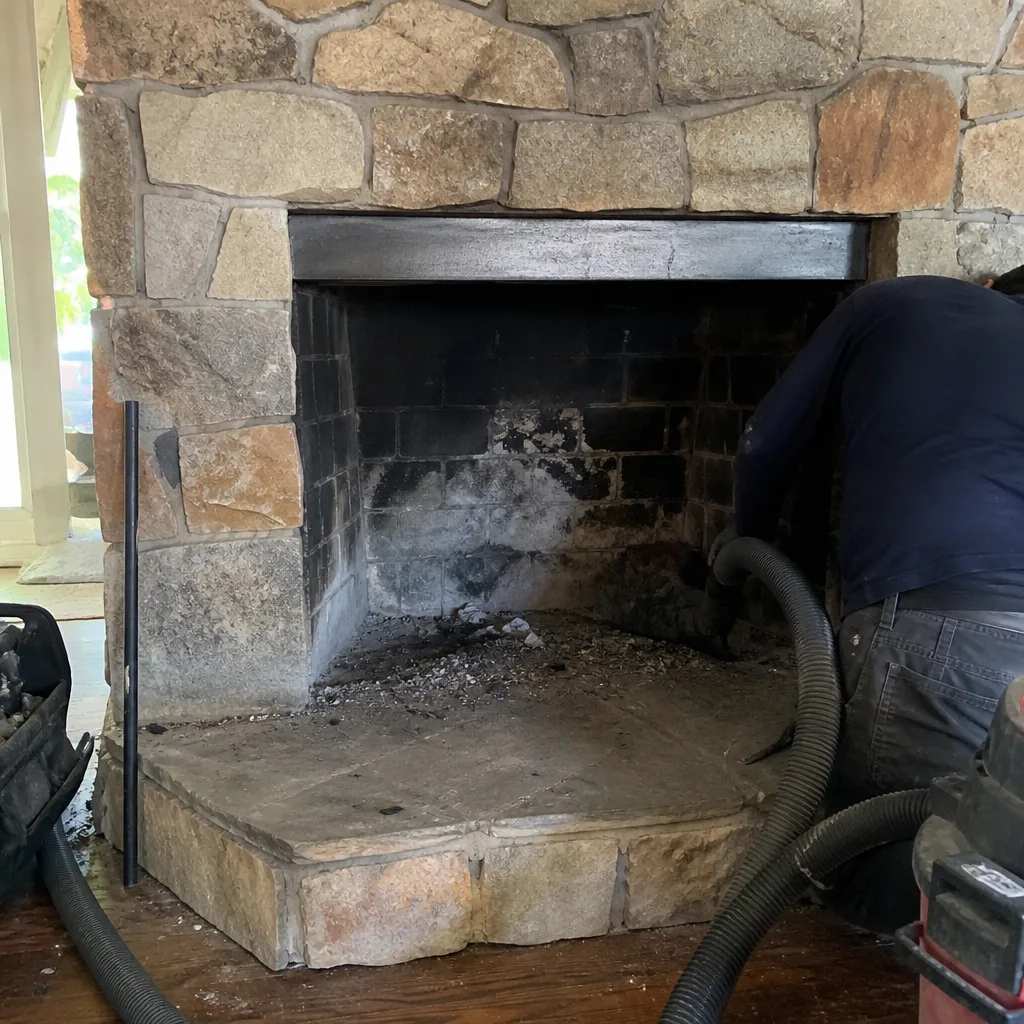
- Sweep. Brushes sized to the flue remove soot and creosote from the firebox up through the flue. Drop cloths and a vacuum contain the dust.
- Creosote assessment. After the sweep, the technician checks the flue for any remaining glazed deposits and assesses the degree of creosote buildup from the prior season. This determines whether the sweep was sufficient or whether a deeper cleaning or additional inspection is needed.
- Level II inspection if warranted. If the sweep reveals signs of a liner issue, a damaged crown, or a prior chimney fire, a camera inspection of the flue interior is the next step. This is what catches hairline cracks and joint gaps that a visual check from below can’t see.
- Repair recommendations. Any findings get explained with photos. Repairs that can safely wait until summer are noted separately from repairs that should happen before the next fire.
The order matters: inspect before you sweep, and repair before you light. A sweep alone in fall without inspection leaves you with a clean flue and no information about whether the liner, crown, or cap is actually sound. Sweeping and inspecting together is the service that actually protects the home.
What Chimney Care Typically Costs in Provo
Chimney care costs vary with what’s needed. Here’s a general breakdown of typical annual maintenance items and typical repair ranges. Every job is priced by written estimate, so the numbers below are a planning guide rather than a quote.
- Standard seasonal sweep and Level I inspection: this is the routine annual service and typically prices as a single visit.
- Level II camera inspection: priced separately when a camera inspection is needed and may be bundled with a sweep.
- Crown sealing or minor crown repair: varies with crown size and access; a sealed crown is a modest job and a rebuilt crown is larger.
- Liner resurfacing with HeatShield: typically less than full liner replacement; pricing depends on flue length and existing liner condition.
- Liner replacement with DuraFlex: priced by flue length and diameter, and includes the liner, insulation, and fittings.
- Chimney cap installation: priced by cap style, flue size, and fit; we use caps from suppliers like Famco and Copperfield.
What we won’t do is quote a number without seeing the chimney. Every estimate is free, and it’s written down before any work starts so there are no surprises. If you’re managing a budget across a season, ask for the annual maintenance items and any needed repairs to be quoted separately so you can prioritize.
Common Mistakes to Avoid
- Booking the sweep for October. By October, Provo homeowners may already be lighting fires. Book for late August or early September so the inspection happens before the heating season, not after.
- Skipping the annual inspection when the sweep looks “fine.” A clean flue and a sound flue are two different things. The sweep clears deposit; the inspection checks the liner, crown, and cap for issues the deposit was hiding.
- Assuming gas fireplaces need no service. Gas fireplaces produce no creosote but still need annual inspection, vent checks, and debris cleaning. A blocked gas vent is a real carbon monoxide risk.
- Putting off crown and masonry repairs until fall. Provo’s freeze-thaw cycle works on masonry all winter. Spring and summer repairs are smaller jobs than a winter’s worth of water intrusion.
- Ignoring smoke backdraft during inversion days. A chimney that backdrafts during inversions but drafts fine otherwise isn’t necessarily broken, but it’s a symptom worth investigating. Don’t just open a window every time.
- Skipping the cap check in fall. A missing or damaged cap is one of the easiest problems to catch in fall and one of the most common causes of a wet flue by winter.
- Going without CO detectors. A wood-burning or gas fireplace with a blocked or damaged venting system can put carbon monoxide into living space. Working CO detectors on every level are the baseline safety measure, not a nice-to-have.
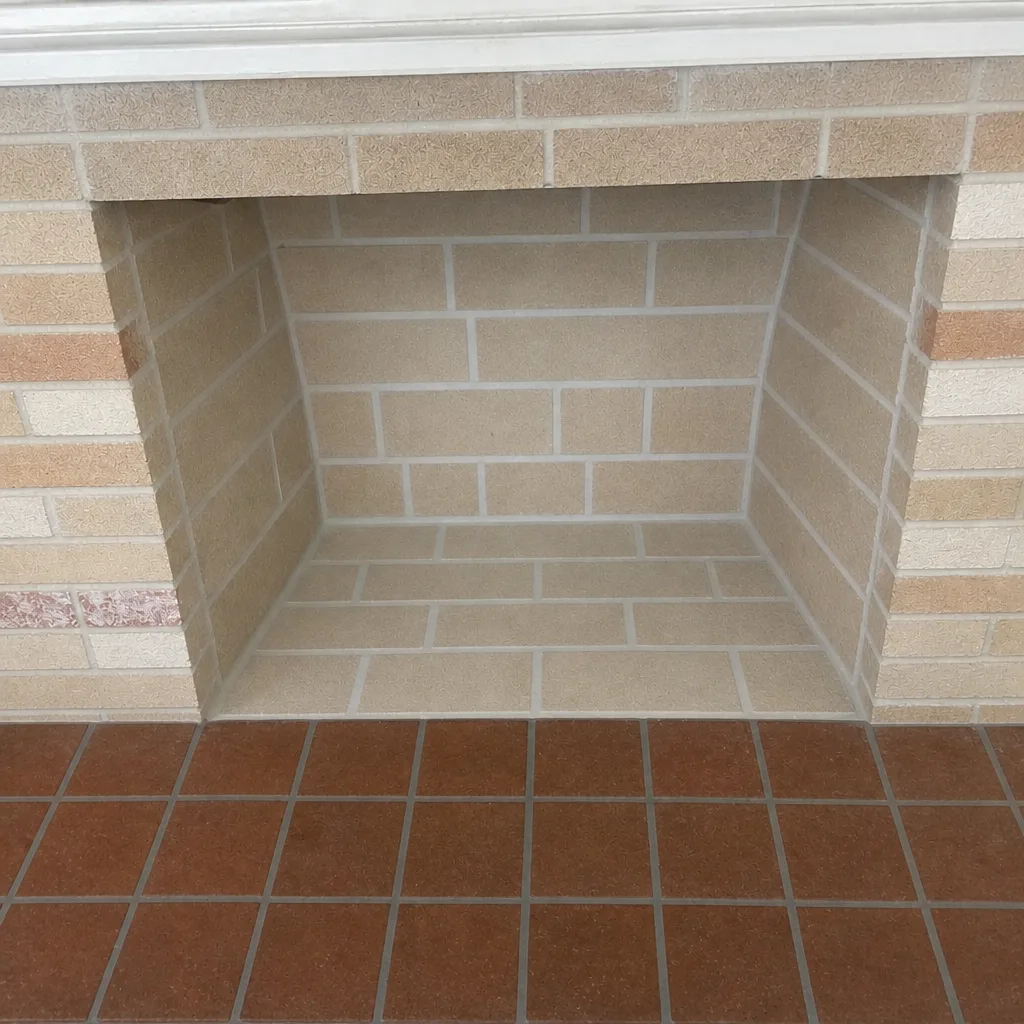
See the difference
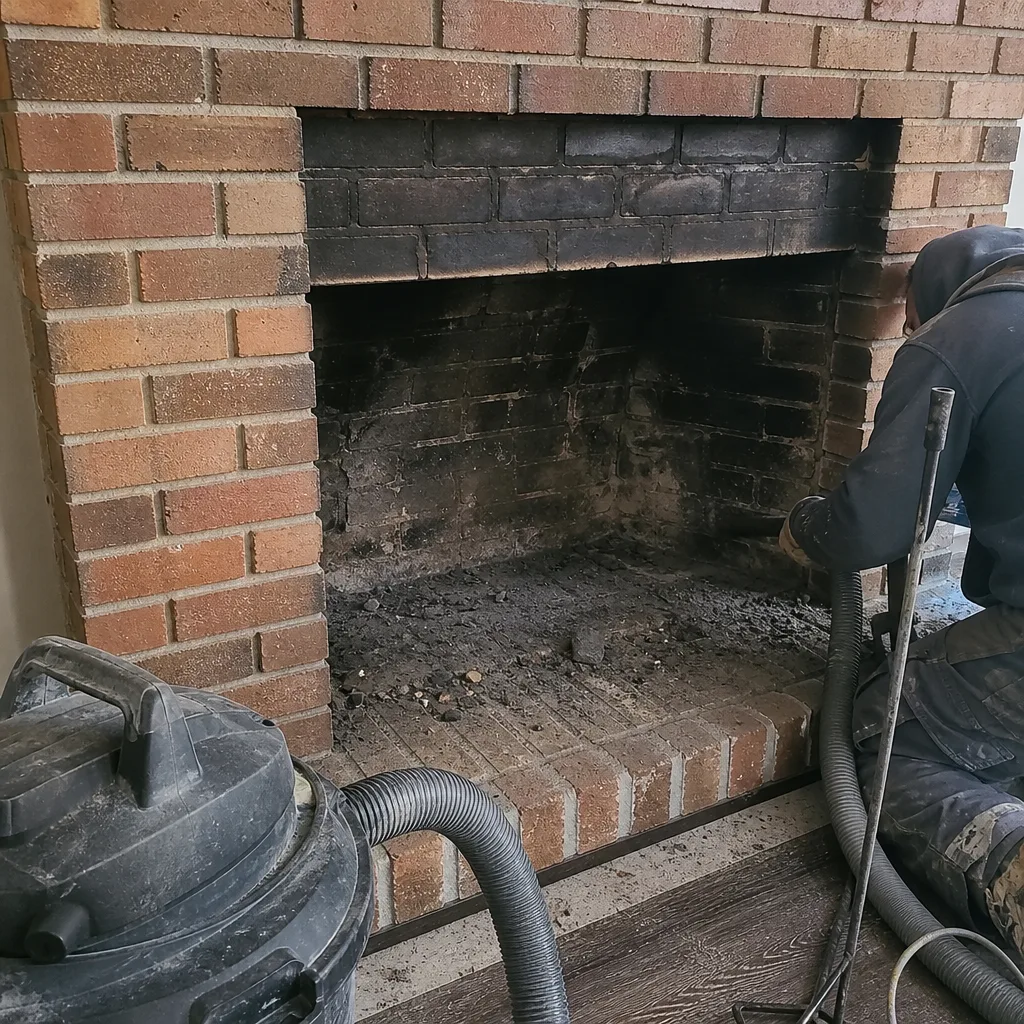 Before
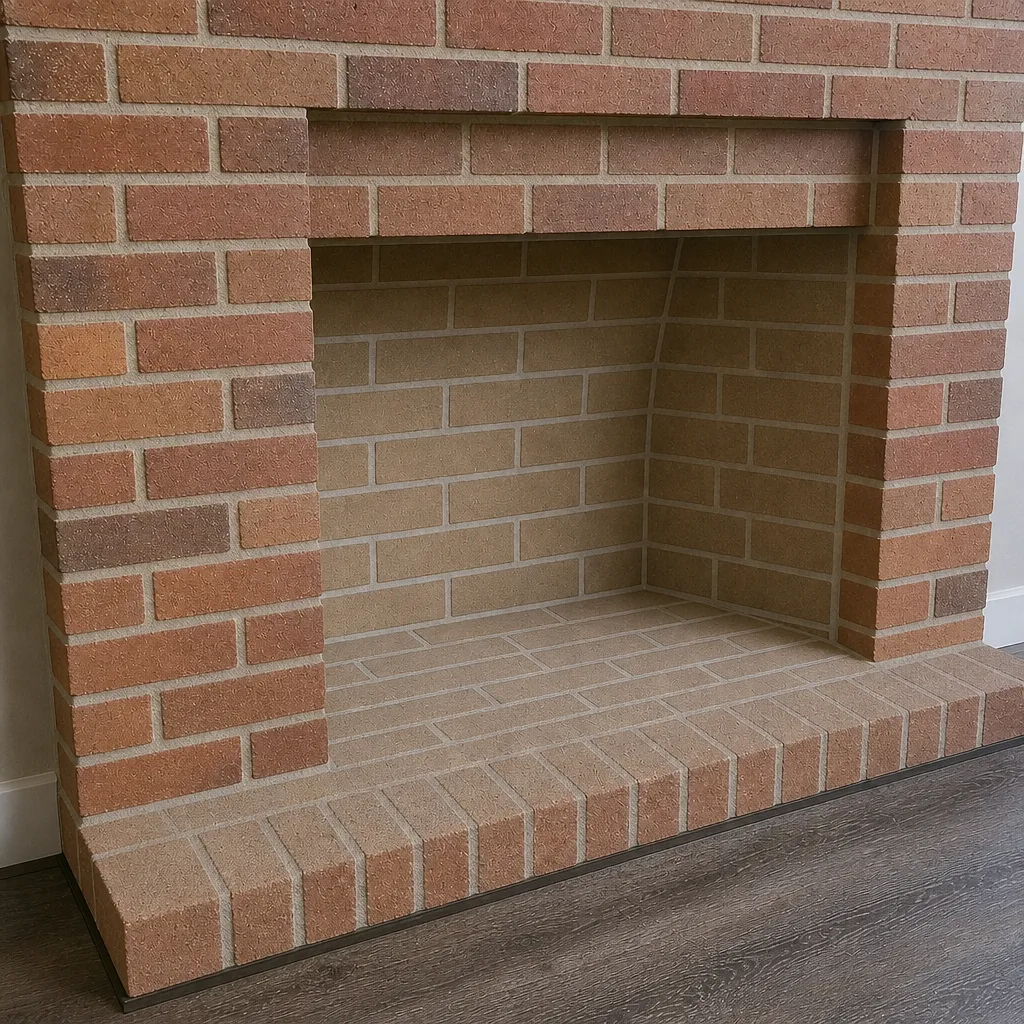 After
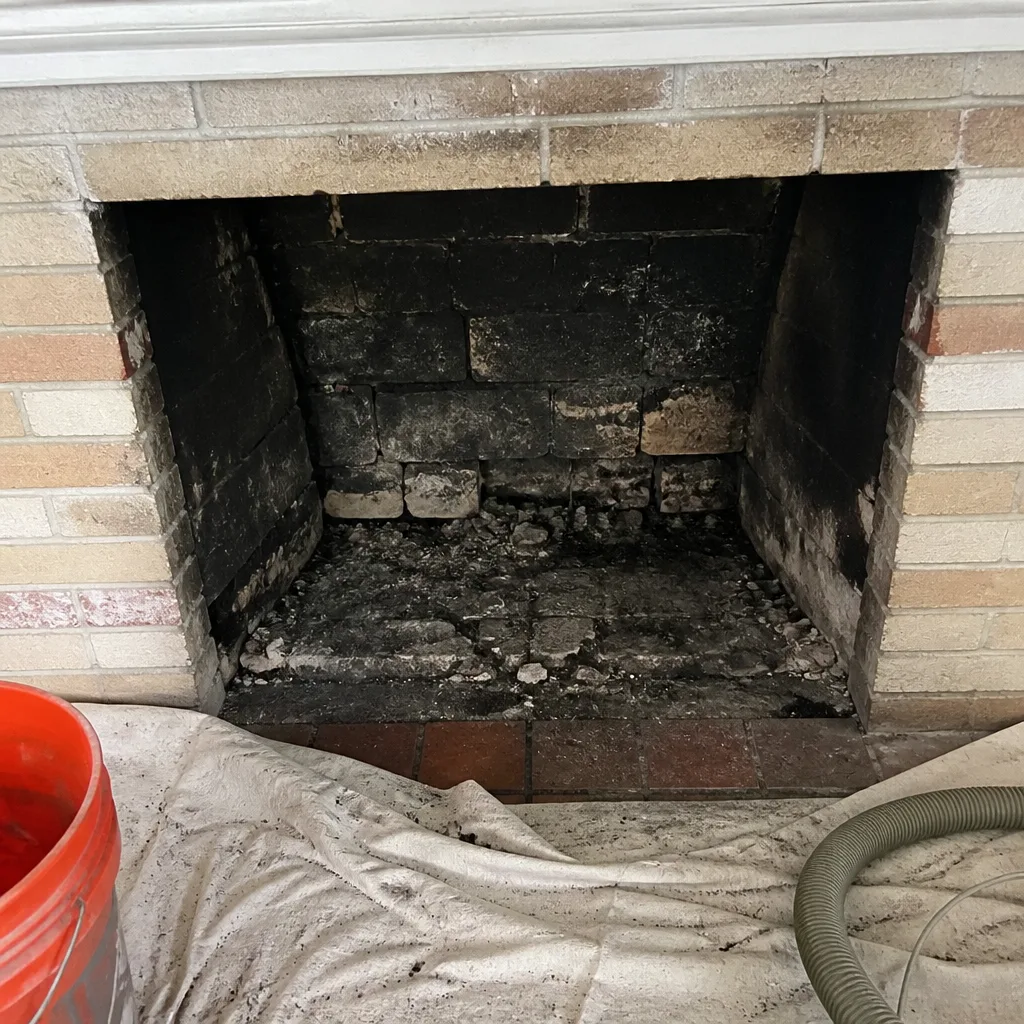 Before
 After
 Before
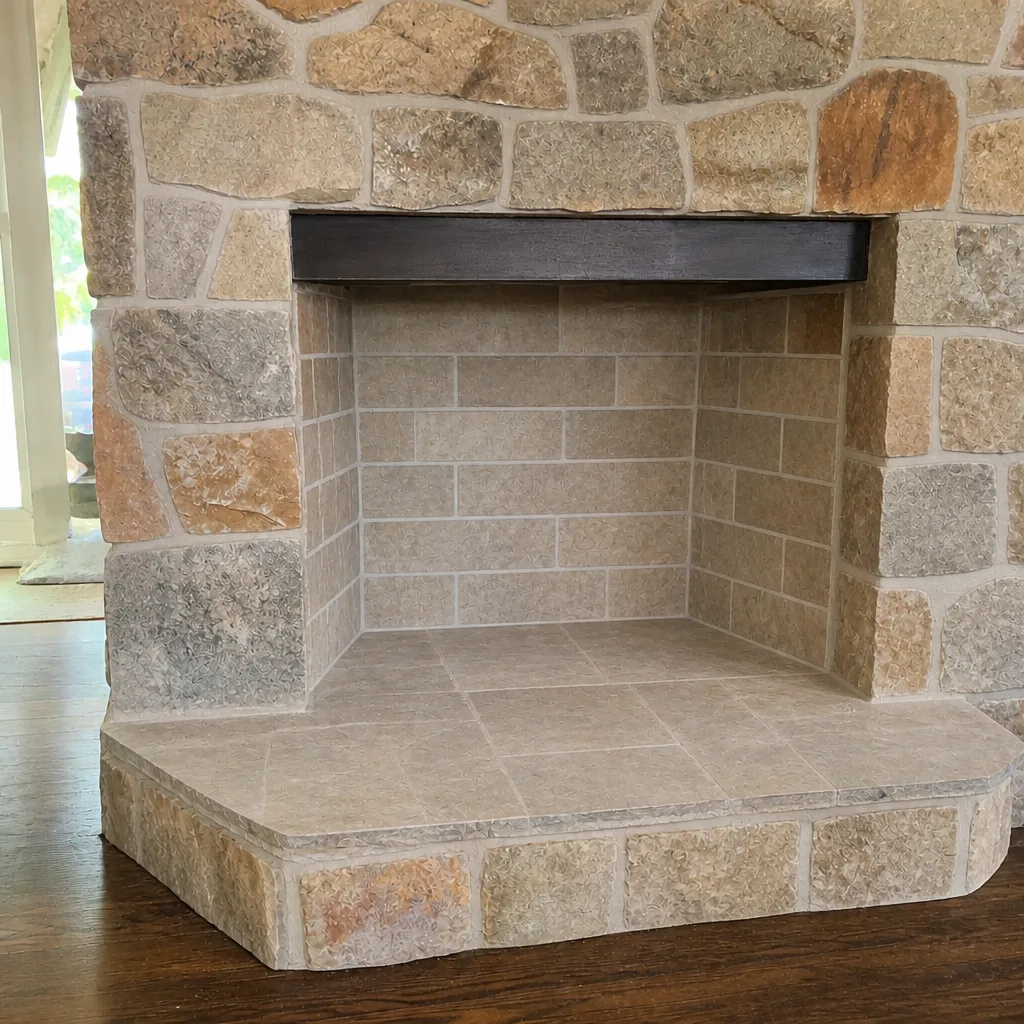 After
When to Call a Professional
Some issues are worth a call rather than a wait. Call a professional if you notice smoke rolling out of the firebox when the fire is lit, a burnt or smoky smell in the house after using the fireplace, visible spalling or crumbling mortar on the chimney exterior, a missing or loose cap, water staining on the ceiling near the chimney, or a damper that won’t fully close. Call before the first fire of the season if the flue hasn’t been inspected in the past year, and call immediately if a CO detector activates.
Provo Chimney Sweep offers free estimates in Provo. Call (866) 330-1947. We answer 24/7. Fast dispatch from 7am to 7pm, Sunday through Friday. Nothing is recommended without photo evidence you can see for yourself, and we’ll tell you plainly when work can safely wait until spring or summer.
Frequently Asked Questions
Late August or early September is the best time to schedule a chimney cleaning in Provo, before the heating season begins. Scheduling in October often means the sweep happens after the first cold snaps have already pushed homeowners to light fires in an uninspected flue. Spring is the second-best window if you missed the late-summer slot, because it lets you catch winter damage early.
A wood-burning chimney in Provo should be swept at least once a year, and more often if you burn frequently or burn green firewood. The long Provo heating season, typically from late October into April, means creosote can accumulate faster than in milder climates. Annual inspection is required whether or not a sweep is due, because the inspection checks liner, crown, and cap condition separately from deposit buildup. Call (866) 330-1947 to book a sweep and inspection together.
Yes, gas fireplaces need annual service even though they produce no creosote. The inspection covers the burner, the venting system, the firebox interior, and the glass seals. A blocked gas vent is a carbon monoxide risk, and it’s less visible than a creosote problem because there’s no firewood or soot to signal trouble. Book an annual gas service the same way you would a wood-burning sweep.
An inversion is a weather pattern where a layer of cold air gets trapped beneath warmer air above it, and it affects how a chimney drafts. During inversion events, the normal temperature-driven draft can weaken or briefly reverse, which can push combustion byproducts back into the room instead of up the flue. It’s a Provo-specific seasonal issue. If your fireplace backdrafts on inversion days, get the cap height and damper checked. Call (866) 330-1947 for an inspection.
We don’t recommend it. A proper sweep requires the right brush sizes for the flue, containment to keep dust out of the house, and an inspection afterward to check the liner, crown, and cap. More importantly, an inspection finds problems a homeowner wouldn’t know to look for, and a damaged liner or crown is a safety issue, not just a maintenance one. A trained technician sees what a homeowner can’t see from below.
A cracked crown should be sealed or rebuilt, ideally in spring or summer. The crown’s whole job is to shed water away from the masonry below, and a crack lets water in, which drives spalling and freeze-thaw damage across the next winter. It’s one of the most common causes of water damage on Provo chimneys. Nothing is recommended without a photo of the crack you can see. Call (866) 330-1947 for a free estimate.
The Bottom Line
Provo’s chimney care calendar is driven by freeze-thaw, inversions, and a long heating season, not by the national “clean in October” rule. The smart schedule: sweep and inspect in late August or early September, address structural repairs in spring and summer while the weather cooperates, and run a fall checklist of cap, damper, and creosote before the first fire. Gas fireplaces get annual service too. Winter is for observing symptoms, not for starting repairs. If you want a single-visit plan that covers all of this in the right order, that’s what we do.
Call (866) 330-1947 for a free estimate. We answer 24/7. Fast dispatch from 7am to 7pm, Sunday through Friday. Our technicians have up to 10 years of experience, and every job is quoted by written estimate before work begins.
Written by the team at Provo Chimney Sweep.