
Last updated November 25, 2026
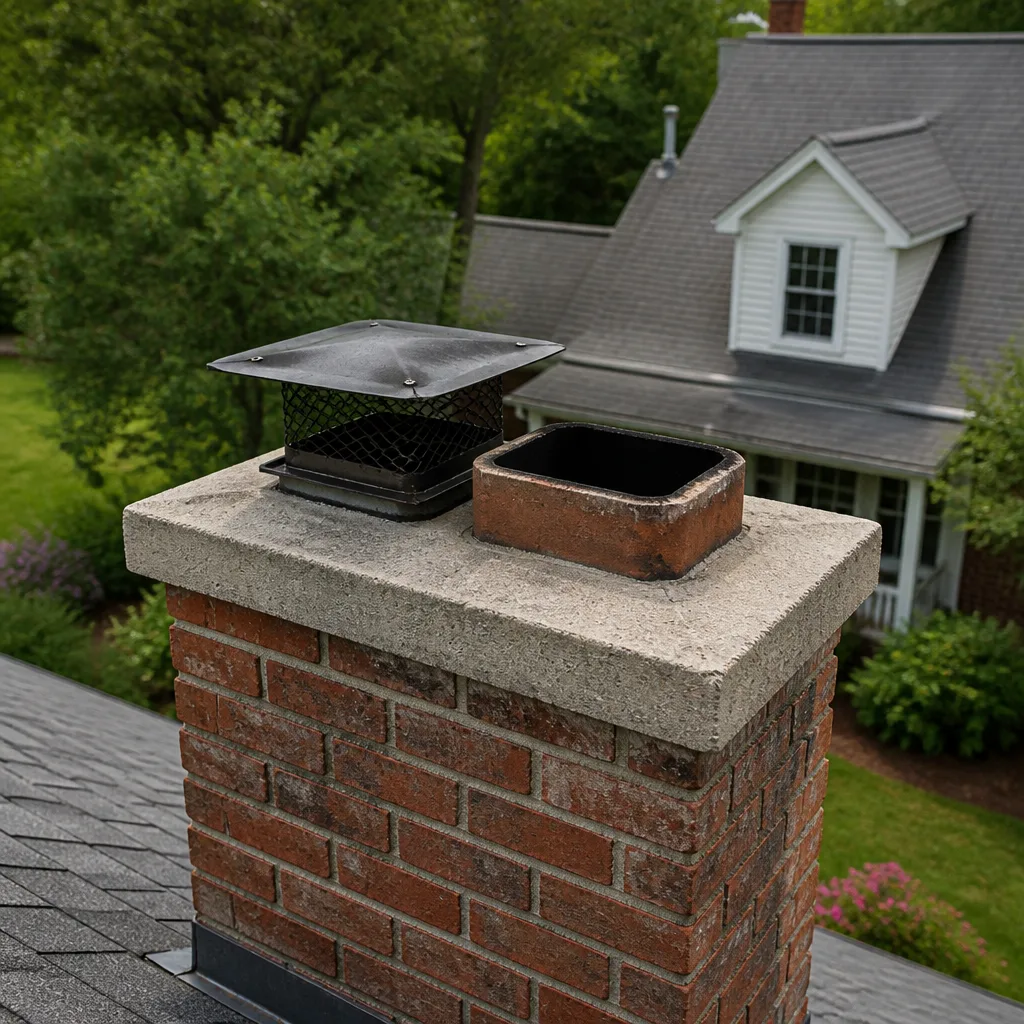 Sweep & inspection
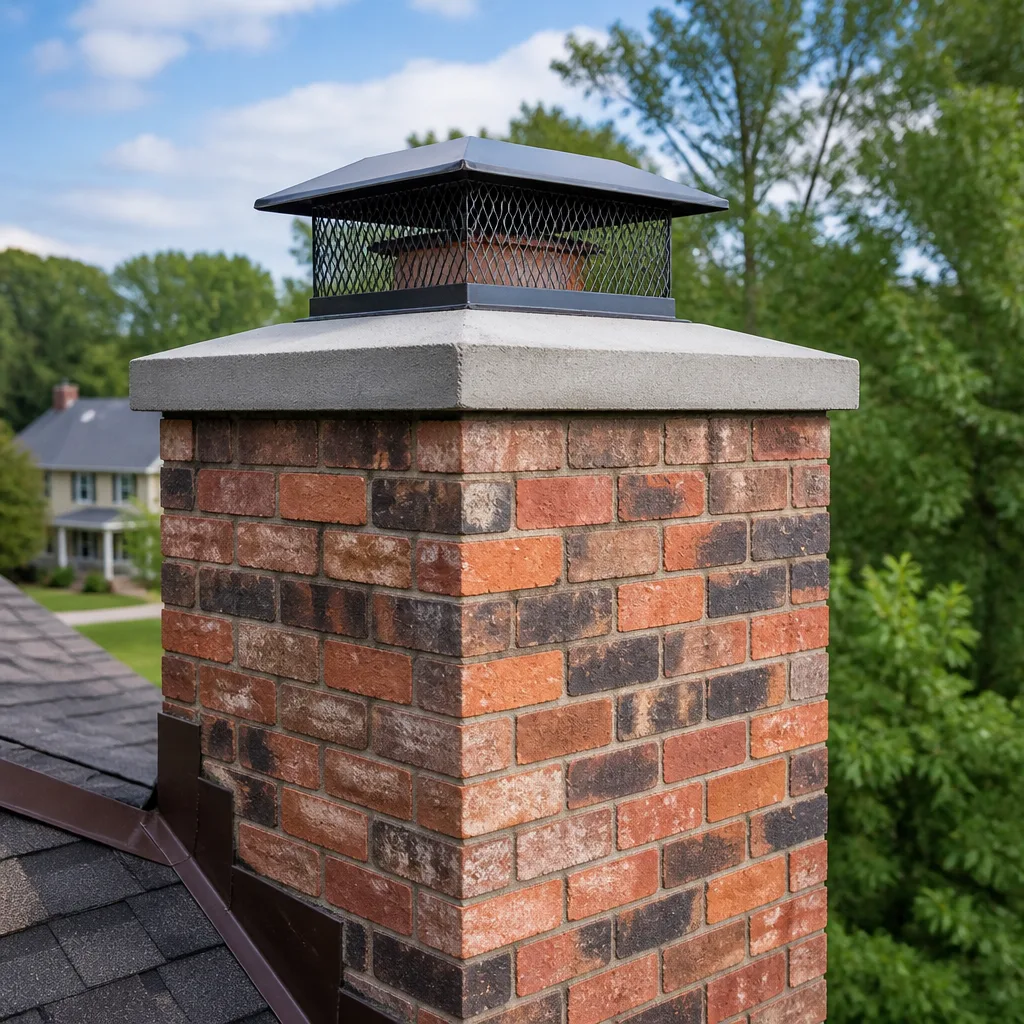 Caps & crowns
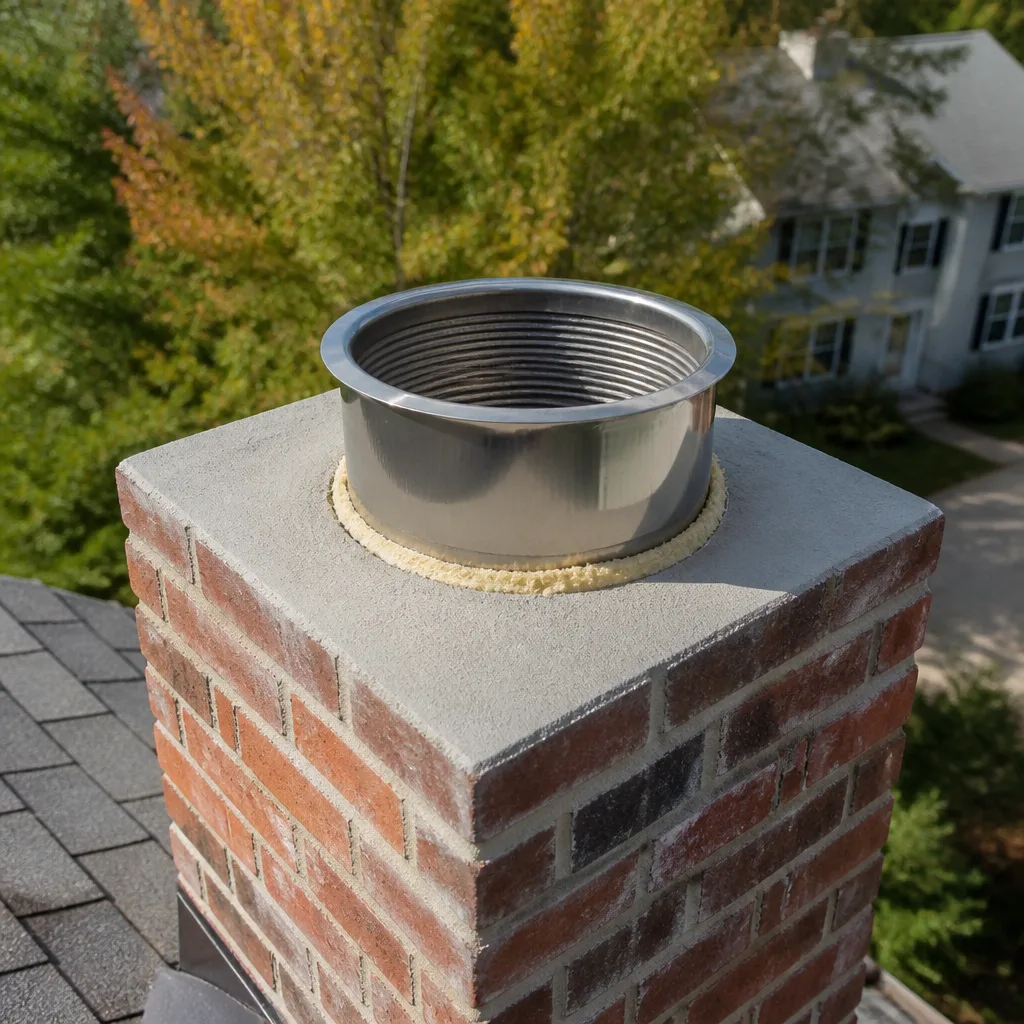 Flue relining
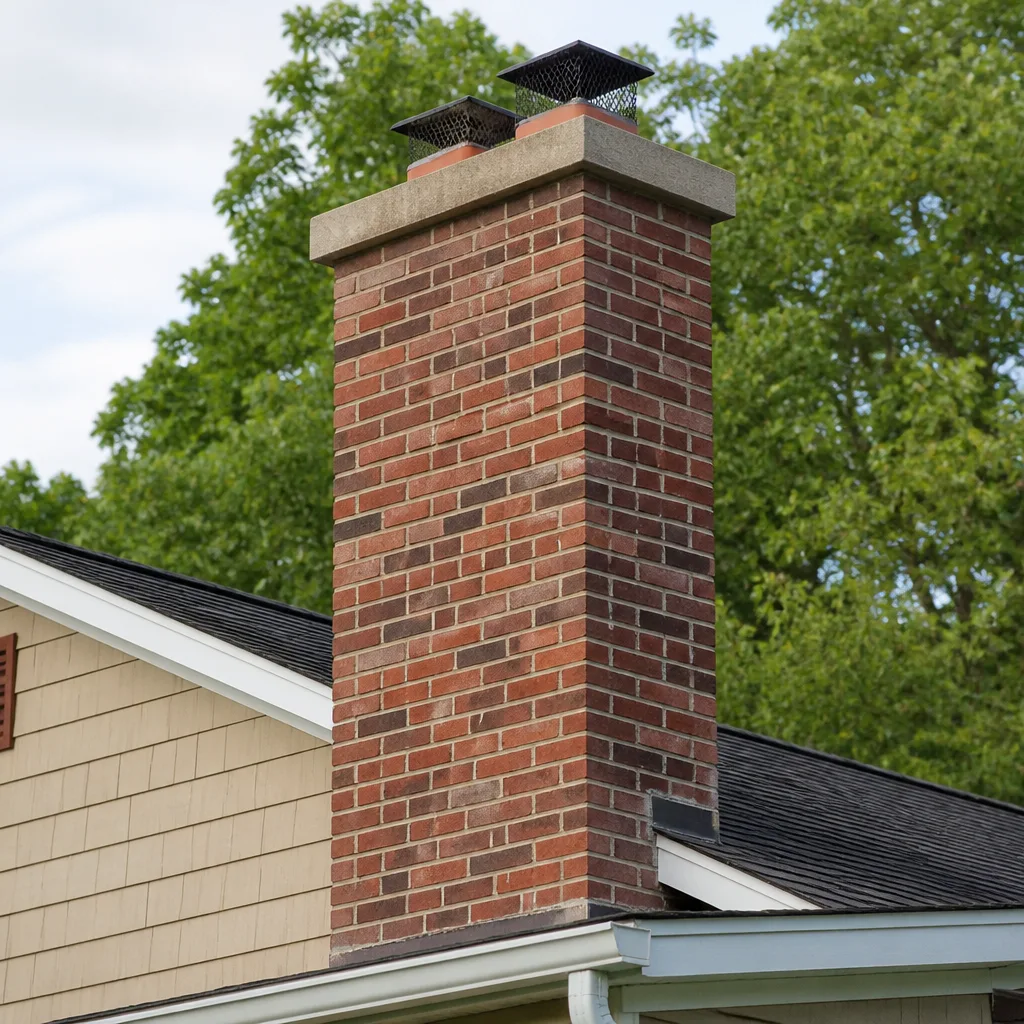 Masonry repair
 Gas fireplace service
Level 1 sweep and inspection to the NFPA 211 annual standard - flue, crown, cap, and flashing checked and photographed
Chimney sweep logs do not sweep chimneys. They loosen some creosote - which then falls where a brush and vacuum still have to collect it.
Chimney Cleaning Emergency Preparedness Guide for Provo Homes
During an active chimney fire, the instinct most homeowners have (opening the damper to let heat escape) is exactly wrong. It introduces oxygen that accelerates combustion inside the flue. The correct first action is to close the damper and the air supply, then evacuate. That single fact changes outcomes more than any piece of equipment you can buy. This guide covers what to do in the first ten minutes of a chimney fire, how carbon monoxide emergencies develop inside a flue, what to check after a fire before you light again, and how to build a real chimney emergency kit for a Provo home. We’ll also cover the local contacts worth having written down before you need them.
Quick Answer
For an active chimney fire in Provo: close the damper and the appliance air supply, get everyone out of the house, and call 911. Do not open the firebox door or the damper to “let heat out” while the fire is running. For carbon monoxide: if a detector alarms, treat it as a real emergency, move everyone outside, and call 911. After any chimney fire, the flue needs a Level II inspection before the appliance is used again, because a visual check from the hearth cannot confirm the liner’s condition. In our experience, the calls that go badly are the ones where someone waited or improvised.
Styles & brands we work with
- Sweep & inspection
- Caps & crowns
- Flue relining
- Masonry repair
- Gas fireplace service
Table of Contents
- The First Ten Minutes of a Chimney Fire
- Carbon Monoxide: The Chimney Emergency You Can’t See
- After a Chimney Fire: Why “It Looks Fine” Isn’t Enough
- Building Your Chimney Emergency Kit
- Emergency Contacts and Resources for Provo Homes
- Prevention: The Provo Heating Season Checklist
- Warning Signs That Precede a Chimney Emergency
The First Ten Minutes of a Chimney Fire
A chimney fire has a signature: a low rumble that builds, a sound like a freight train or a low roar, popping from inside the flue, and sometimes visible flame or sparks at the top of the chimney. Creosote ignition is what usually starts it, and creosote ignites in stages, which is why a chimney fire can start quiet and escalate fast. In our experience as chimney-only specialists, the difference between a contained fire and a structural fire almost always comes down to what happened in the first few minutes.
Here is the sequence that matters:
- Close the damper and the appliance air supply. Starve the fire of oxygen. This is the opposite of what most people instinctively do. An open damper feeds the burn.
- Get everyone out of the house. Don’t stop to gather belongings. A chimney fire can spread to the attic or roof structure, and smoke can move through the house faster than you’d expect.
- Call 911 from outside. Tell the dispatcher it’s a chimney fire and give the full address. Fire crews can check the roof and attic.
- Stay out even after the roar stops. A chimney fire can re-flash. If you have a chimney fire suppression stick or a fire extinguisher rated for the fuel, using it before you leave is reasonable, but it’s not a substitute for evacuation.
- Don’t spray water down the flue. A cold-water shock on a hot flue, particularly a clay-tile liner, can crack it. That sets you up for a much more expensive problem.
When you call a chimney professional afterward, you want a specialist, not a general handyman. Our technicians have up to 10 years of experience in chimney work specifically, and Provo Chimney Sweep handles the whole sequence from that inspection through repair. If you’re not sure whether you’ve had a chimney fire, that’s also a call worth making: a chimney sweep and inspection will show the tell-tale glaze and cracking patterns a chimney fire leaves behind.
Carbon Monoxide: The Chimney Emergency You Can’t See
Carbon monoxide emergencies in a home with a fireplace or wood stove come down to one of three chimney-side conditions: a blockage in the flue (nests, debris, creosote load), a failed or cracked liner that lets exhaust into the structure, or negative pressure that draws exhaust back into the living space instead of up and out. All three can develop slowly. None of them announce themselves.
Negative pressure is the one people misunderstand most. A tightly sealed modern house, with a bath fan or kitchen fan running, can pull air down the chimney instead of up. If you notice smoke backdraft on cold mornings, especially in a Provo home that’s been tightened up over the years, that’s a pressure symptom worth investigating. It’s also why we always recommend a chimney appliance inspection before you assume a small backdraft is harmless.
Know the CO symptoms:
- Headache, dizziness, and nausea that improve when you leave the house and return when you come back
- Drowsiness or confusion in a room with a draft from a stove or fireplace
- A detector alarming anywhere in the house, even briefly
The correct response is the same as a fire: get everyone out, call 911, and don’t re-enter until the fire department says it’s clear. A CO detector that goes silent after a few minutes is not a “false alarm” until a professional confirms it. Place detectors in the hallway outside sleeping areas and on every level of the home. Don’t rely on a single detector in the basement where the stove is.
After a Chimney Fire: Why “It Looks Fine” Isn’t Enough
After a chimney fire, a visual check from the hearth is insufficient. The flue liner is often out of sight, and the damage a chimney fire causes is typically on the interior surface of that liner: spalling clay, cracked cement parging, warped or discolored stainless-steel sections, and heat-damaged joints. From the firebox, the flue usually looks perfectly normal.
What a Level II inspection covers: a camera assessment of the interior of the flue, the joints, the liner material, the smoke chamber, the crown, and the cap. That’s the only reliable way to know whether the flue is serviceable.
Here’s the checklist to walk through:
- Book the inspection before you light again. Not after. A cracked liner is a carbon monoxide path.
- Check the outside of the chimney for visible cracking in the crown, missing mortar, and heat staining at the top. Damage up top matters, but it’s a secondary signal, not the whole story.
- Ask for a camera report. In our experience, this is the difference between a real diagnosis and a guess. We include the camera inspection and photo report with our work so you can see what we see.
- Verify the cap and crown. A damaged cap admitted water and birds before the fire and can’t be trusted after.
- Don’t restart based on a neighbor’s opinion or a quick chimney check. A thorough inspection has a method and a report.
If inspection shows liner damage, options range from resurfacing with HeatShield (a specialized repair that can restore a liner without full replacement) to full relining with a DuraFlex stainless system. Provo Chimney Sweep sources and installs professional-grade brands, and because we’re HeatShield-certified, liner resurfacing is a service we handle in-house instead of outsourcing. If the flue needs a full reline, we also handle that through the same inspection-to-completion sequence. The right liner for your flue, installed correctly the first time, is the goal.
Building Your Chimney Emergency Kit
A chimney emergency kit is not a fire extinguisher shoved in a closet. It’s a small, deliberate set of tools and information kept within reach of the fireplace, so that in the first two minutes of a chimney fire you’re not searching the house. Here’s what belongs in it.
- A chimney fire suppressant stick or canister. Designed to be used in the firebox before you evacuate. Follow the manufacturer’s instructions; don’t improvise with water or a kitchen extinguisher aimed up the flue.
- A working carbon monoxide detector positioned in a hallway near the sleeping rooms, and a second on the level of the appliance. Test both monthly.
- A written protocol posted near the fireplace. One page, large print, laminated or in a clear sleeve. It should read: close damper and air supply, evacuate, call 911 from outside, and don’t re-enter.
- A flashlight kept on the same shelf (smoke obscures visibility fast).
- A fire extinguisher rated for the fuel. Not to be sprayed up the flue, but useful if fire has made it out of the firebox.
- Your local emergency contacts in writing (Provo Fire non-emergency line, chimney specialist number, gas utility emergency line if you have a gas appliance).
Update the kit once a year at the start of the heating season. In our experience, the kit that gets used successfully is the one the family reviewed together, not the one a homeowner assembled once and forgot.
Emergency Contacts and Resources for Provo Homes
For any active chimney fire or suspected carbon monoxide event in Provo, call 911. That’s the fire department response number, and it’s the right call anytime a chimney fire is still burning, anytime a CO detector alarms, or anytime smoke has moved into the living space.
The non-emergency contacts matter too, and they’re the ones most homeowners don’t have written down. Look up the Provo Fire Department’s published non-emergency line and keep it in your kit and your phone. Keep your gas utility’s published emergency line in the same place, if you have a gas-fired fireplace or furnace. And keep a chimney specialist on speed dial for the after-fire inspection. Call (866) 330-1947. We answer 24/7, and a call outside dispatch hours is booked into the next opening, Sunday through Friday, 7am to 7pm. Fast dispatch from 7am to 7pm on those days.
One caution about “after hours” chimney services generally: they exist, but a real chimney inspection has a method and produces a report, and that’s rarely the kind of work that gets done well in a hurry. If you’ve had a chimney fire, your priority that night is fire department clearance. The inspection can be scheduled for the next opening, and it should be scheduled with a chimney-only specialist. Provo Chimney Sweep does sweeping, inspection, repair, liner work, and cap and crown installation as core services, so there’s no hand-off to a second company.
Prevention: The Provo Heating Season Checklist
Provo’s winter air is cold and often dry, which means wood-burning appliances get used hard from November through February, and then sit idle for months. The creosote accumulation pattern here is predictable: heavy during the heating season, invisible the rest of the year. The single most effective prevention step is an annual sweep, before you light the stove for the year.
Walk through this at the start of the season:
- Book the sweep before the first cold snap. The lead-up to the first freeze is the busiest stretch for every chimney specialist in Provo. Earlier is calmer.
- Get a Level I inspection with the sweep. If you’ve had a chimney fire, a liner replacement, or a change in appliance, you need a Level II.
- Verify the cap is intact and the crown isn’t cracking. Both are weather-exposed on a Provo roof, and both are cheap to fix early and expensive to fix late.
- Test every smoke and CO detector. Replace batteries, replace detectors that have gone stale.
- Burn dry, seasoned firewood. Wet wood produces more creosote, and creosote is what fuels chimney fires.
- Keep the kit stocked and the protocol posted. Every year.
- Schedule any repair work before the season, not during. A cracked crown or a damaged cap is a spring job, not a December emergency.
For structural fixes, we’re set up to quote and complete both. Named brands matter for cap and crown work: we install parts from Olympia Chimney and Gelco, not hardware-store substitutes, and those are properly fitted and warrantied. Chimney cap and crown work is a named service for us, not an afterthought. That matters in Provo, where a bad cap gets tested every winter.
Warning Signs That Precede a Chimney Emergency
Most chimney emergencies announce themselves in the weeks before they happen. The signals are quiet, which is why they get missed. Here are the ones worth watching for in a Provo home.
- Smoke backdraft into the room. A cold-morning puff is one thing; repeated backdraft on multiple fires is a pressure or blockage problem.
- A smell of creosote or a pungent, tarry odor that doesn’t clear when the fire is out.
- Visible mortar damage on the firebox or the exterior stack.
- Water staining on the ceiling near the chimney or on the firebox walls, indicating a failed cap or crown.
- A missing or damaged chimney cap. Birds, rain, and debris follow it.
- Rumbling or roaring sounds during a burn, or popping in the flue.
- Draft that’s gotten noticeably worse without any change to how you burn.
Any single one of these deserves an inspection. If you’ve got several at once, book it sooner. Smoke backdraft and mortar damage together, in our experience, usually point to more than a cleaning. If a firebox or damper has visible cracking, that’s the fireplace itself, and fireplace repair is a separate job from chimney service in most cases. Both are within our scope.
Common Mistakes to Avoid
- Opening the damper during a chimney fire. The single most damaging instinct. It feeds oxygen to the burning creosote. Close the damper and the air supply instead.
- Spraying water down the flue. The thermal shock can crack a clay liner, turning a chimney fire into a liner replacement. Leave suppression to rated suppressants and let the fire department handle it if the fire is still burning.
- Relighting after a chimney fire without a Level II inspection. The inside of the flue is the part you can’t see, and it’s the part that matters. A camera report is the only reliable check.
- Treating a CO alarm as a false alarm. If it goes off and clears, get out and call 911. Test and reposition detectors on every level.
- Using a hardware-store cap on a Provo chimney. Improvised caps fail in the first hard winter. Named supplier parts from Olympia Chimney or Gelco fit and hold up.
- Burning wet wood. It’s the leading creosote source in wood-burning homes. Season your wood, and buy seasoned if you’re unsure.
- Booking a “chimney cleaning” from a generalist. A chimney-only specialist diagnoses and repairs in one sequence. A handyman cleans and leaves you guessing.
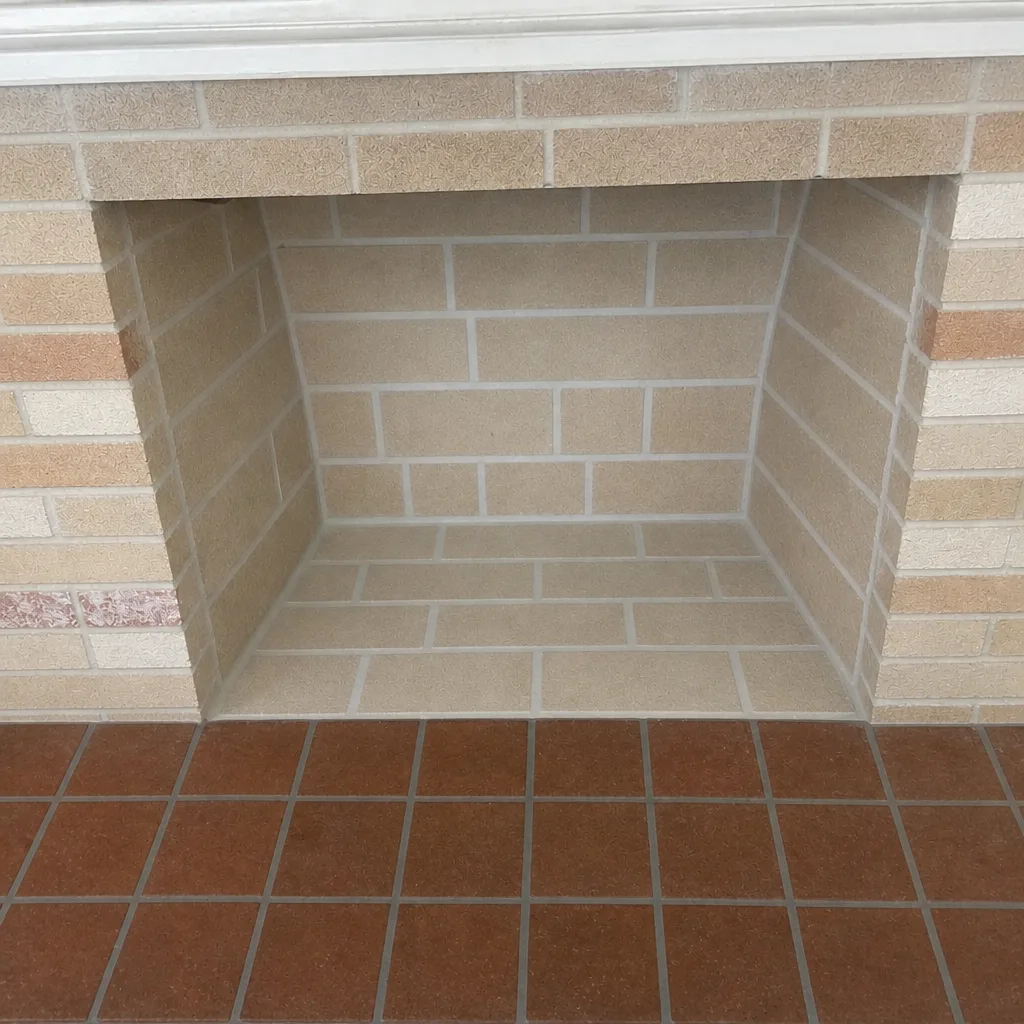
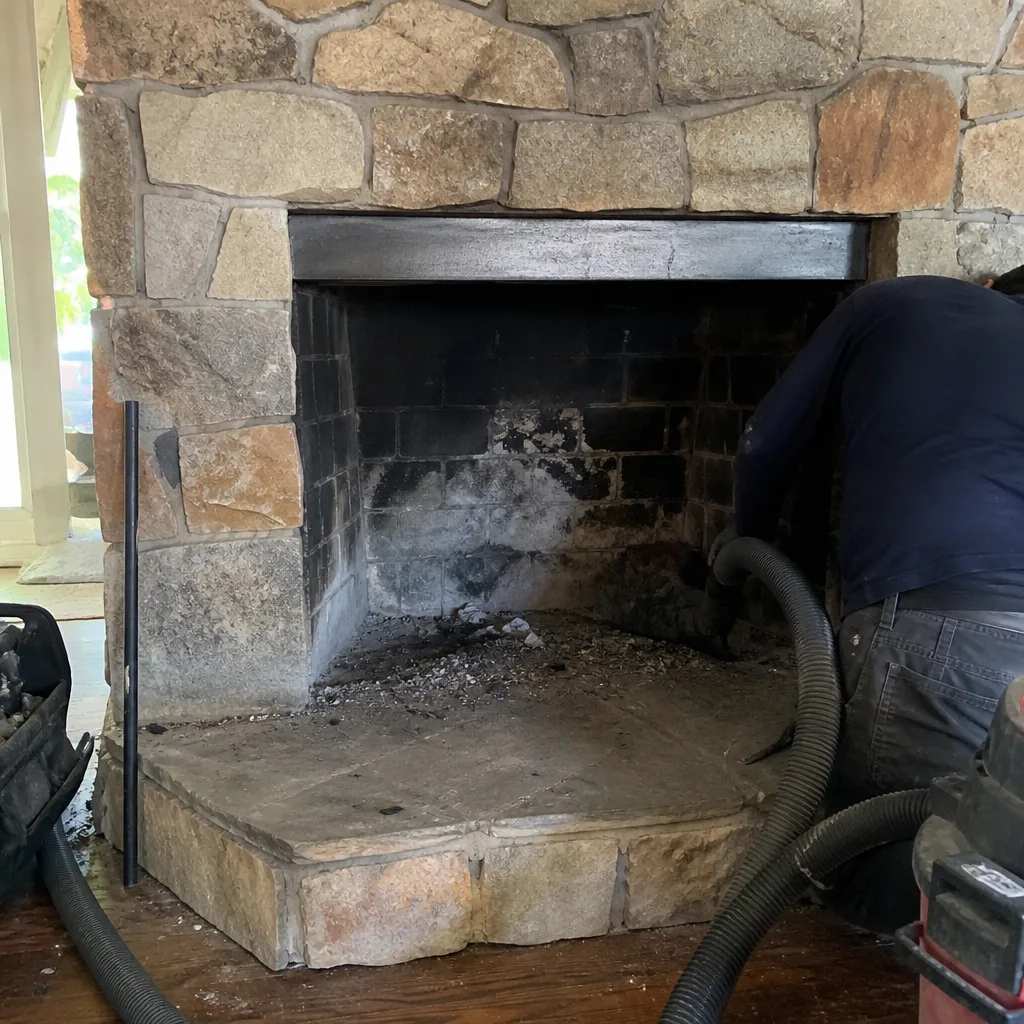
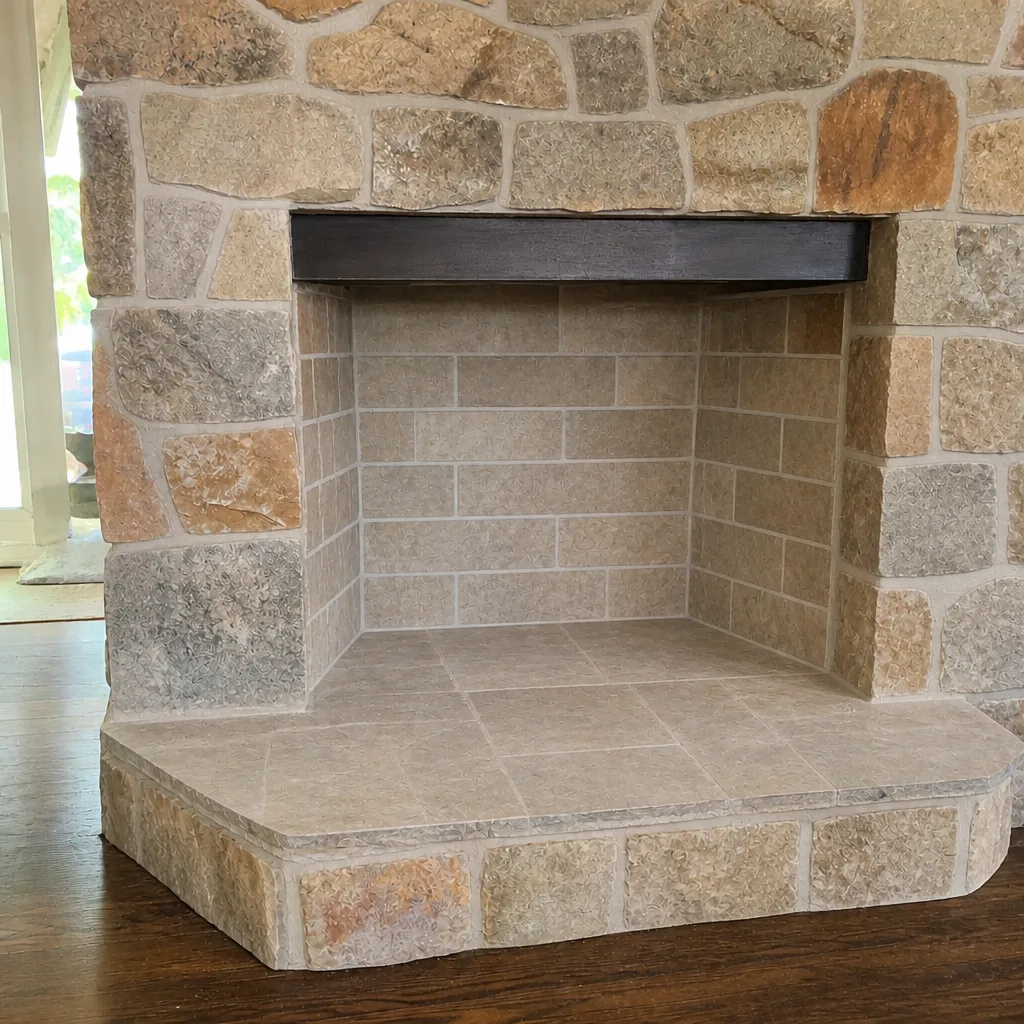
See the difference
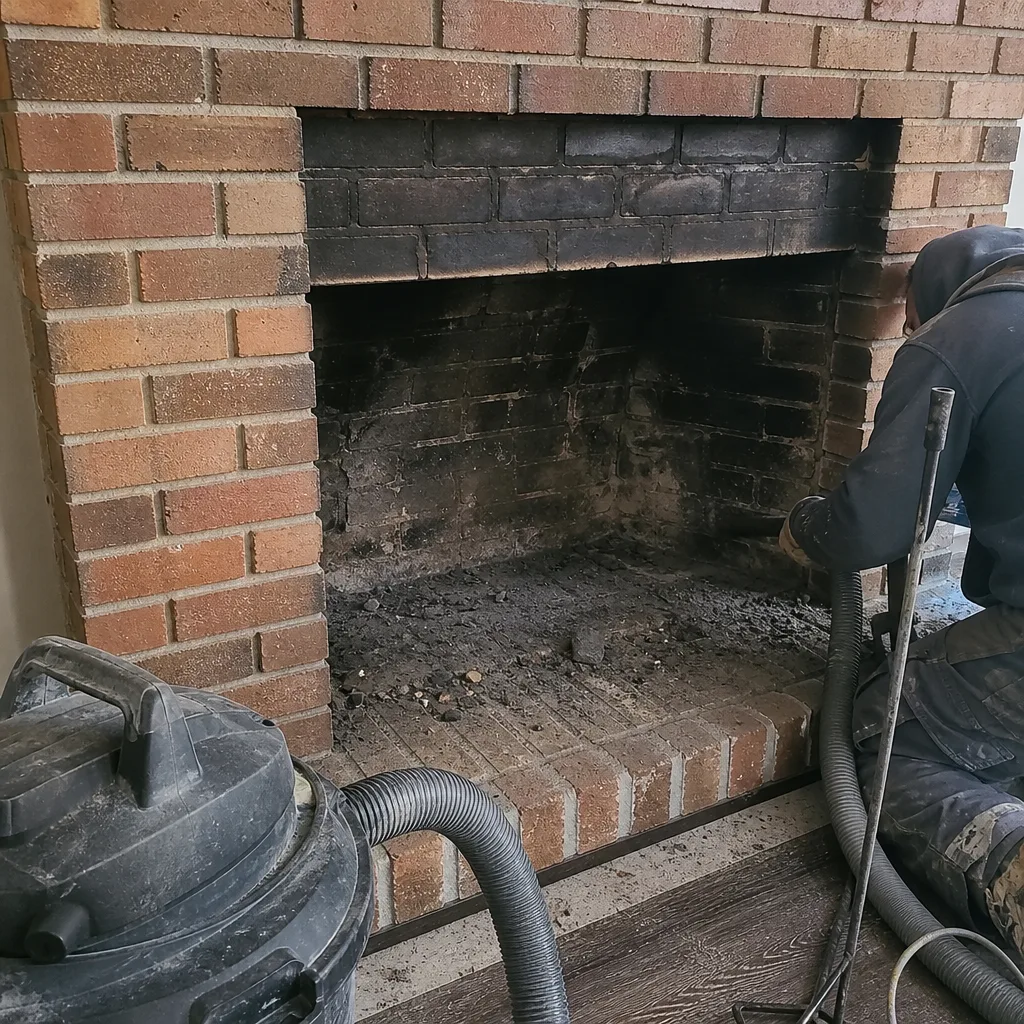 Before
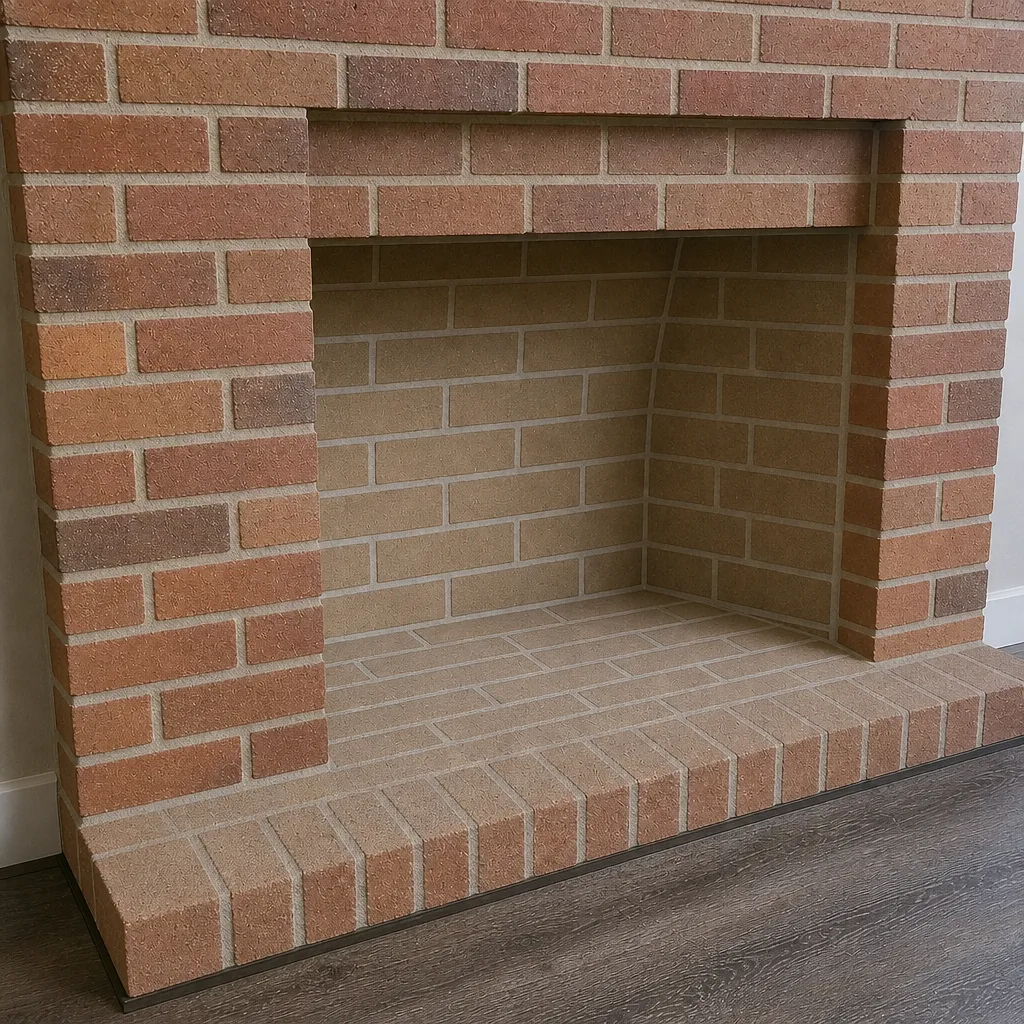 After
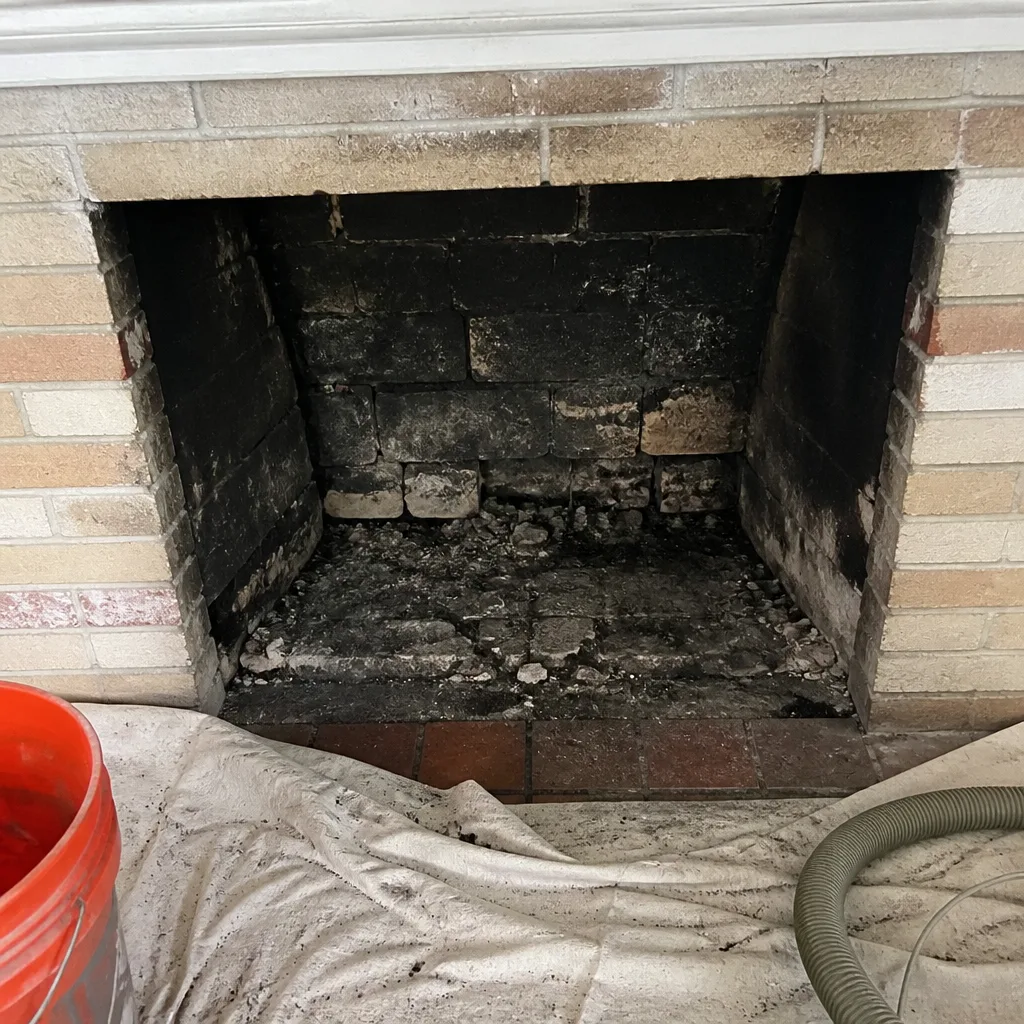 Before
 After
 Before
 After
When to Call a Professional
Call a professional for any of these: you’ve had a chimney fire (even a small one), your CO detector has alarmed, smoke is backdrafting into the living space, you see visible mortar or crown damage, your cap is missing or bent, or you haven’t had a sweep in over a year. Call us first for the inspection and diagnosis; we handle repair and liner work in the same visit or a scheduled follow-up. Provo Chimney Sweep offers free estimates in Provo. Call (866) 330-1947. We answer 24/7. Fast dispatch from 7am to 7pm, Sunday through Friday. If we can safely postpone the work, we’ll tell you, and if we recommend work, you’ll see the camera evidence yourself.
Frequently Asked Questions
Close the damper and the appliance air supply, get everyone out of the house, and call 911 from outside. Opening the damper is the wrong move; it feeds oxygen to the fire in the flue. Don’t re-enter even after the roar stops.
You may have heard a low roar, popping, or a rumbling in the flue, or seen sparks at the top of the chimney. Sometimes there’s no obvious event at all. A chimney inspection with a camera finds the tell-tale signs: glazed creosote, cracked tile, heat warping. Provo Chimney Sweep includes a camera inspection and photo report so you can see what we see. Call (866) 330-1947 for a free estimate.
Once a year for most wood-burning appliances, and more often if you burn frequently or burn unseasoned wood. Gas fireplaces and stoves also need annual inspection. The sweep before the first cold snap is the cleanest time to book in Provo. Call (866) 330-1947 to schedule.
Creosote builds up inside the flue, and creosote is what fuels chimney fires. It also restricts draft, which increases smoke backdraft and carbon monoxide risk. Skipping the sweep doesn’t cause a fire tomorrow, but it makes one more likely every season. Call (866) 330-1947 for a free sweep estimate.
A single cold-morning puff is usually a pressure quirk. Repeated backdraft during a burn, especially in a Provo home with a tight envelope, is a blockage or pressure problem that can push carbon monoxide into the living space. Call for an inspection rather than ignoring it. Call (866) 330-1947.
Not always. Some flues are serviceable after a fire, and some can be resurfaced with HeatShield instead of fully replaced. The decision has to come from a camera inspection, not a visual check. Provo Chimney Sweep is HeatShield-certified and installs DuraFlex stainless systems, so we can give you an honest read. Call (866) 330-1947 for a free estimate.
The Bottom Line
Chimney emergencies follow patterns, and the patterns are learnable. In the moment: close the damper and the air supply, evacuate, call 911. With carbon monoxide: treat the detector as real, evacuate, call 911. After a fire: book a Level II inspection with a camera report before you light again, and don’t trust a visual check. In the weeks before the season starts: sweep, inspect, verify the cap and crown, test the detectors, and post a written protocol near the fireplace. Everything about chimney safety in a Provo home is prep work. Provo Chimney Sweep does the full sequence, from that first diagnosis through repair and liner work. When you’re ready to book, call (866) 330-1947 for a free estimate.
For a closer look at the full range of what we handle, from routine sweeping to structural chimney repair, our main page is a good starting point. And if you’re browsing before you call, start with Provo Chimney Sweep and we’ll get you pointed in the right direction.
Written by the team at Provo Chimney Sweep.