
Last updated November 25, 2026
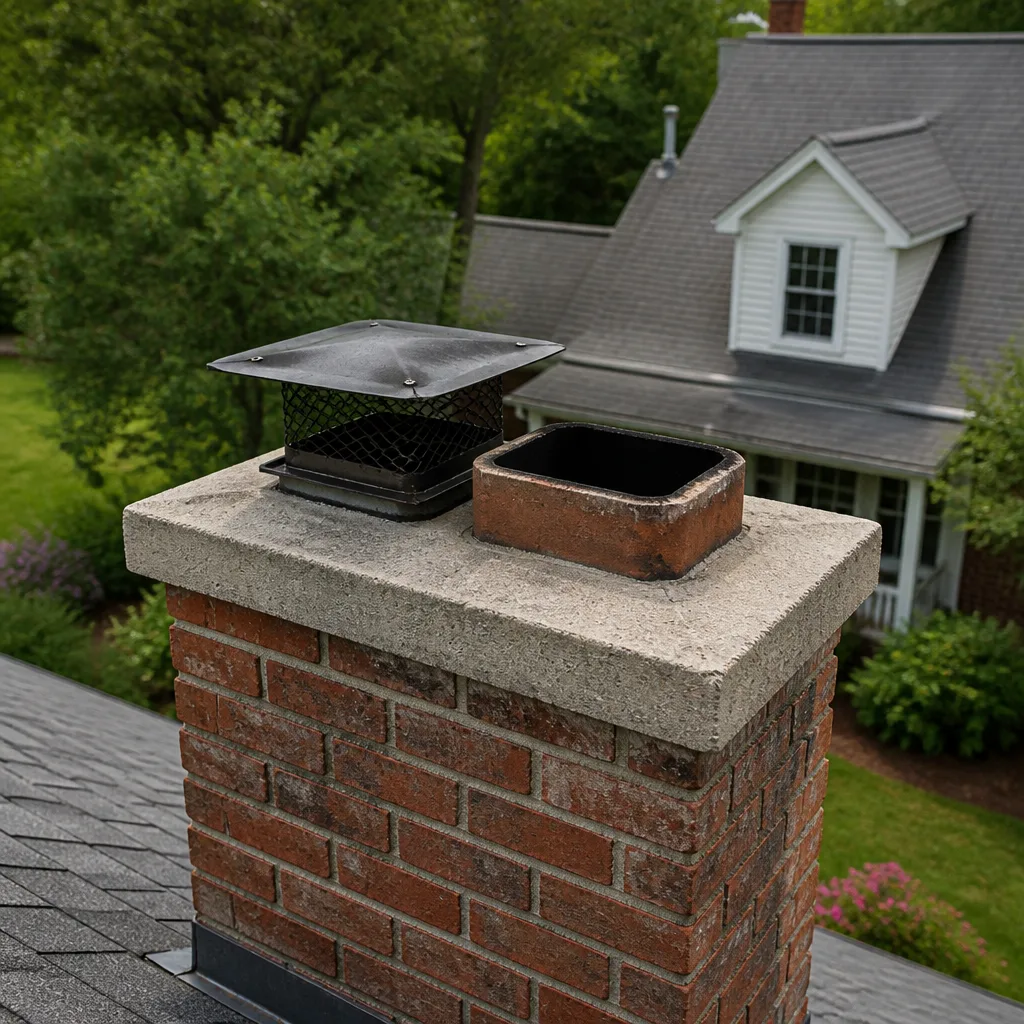 Sweep & inspection
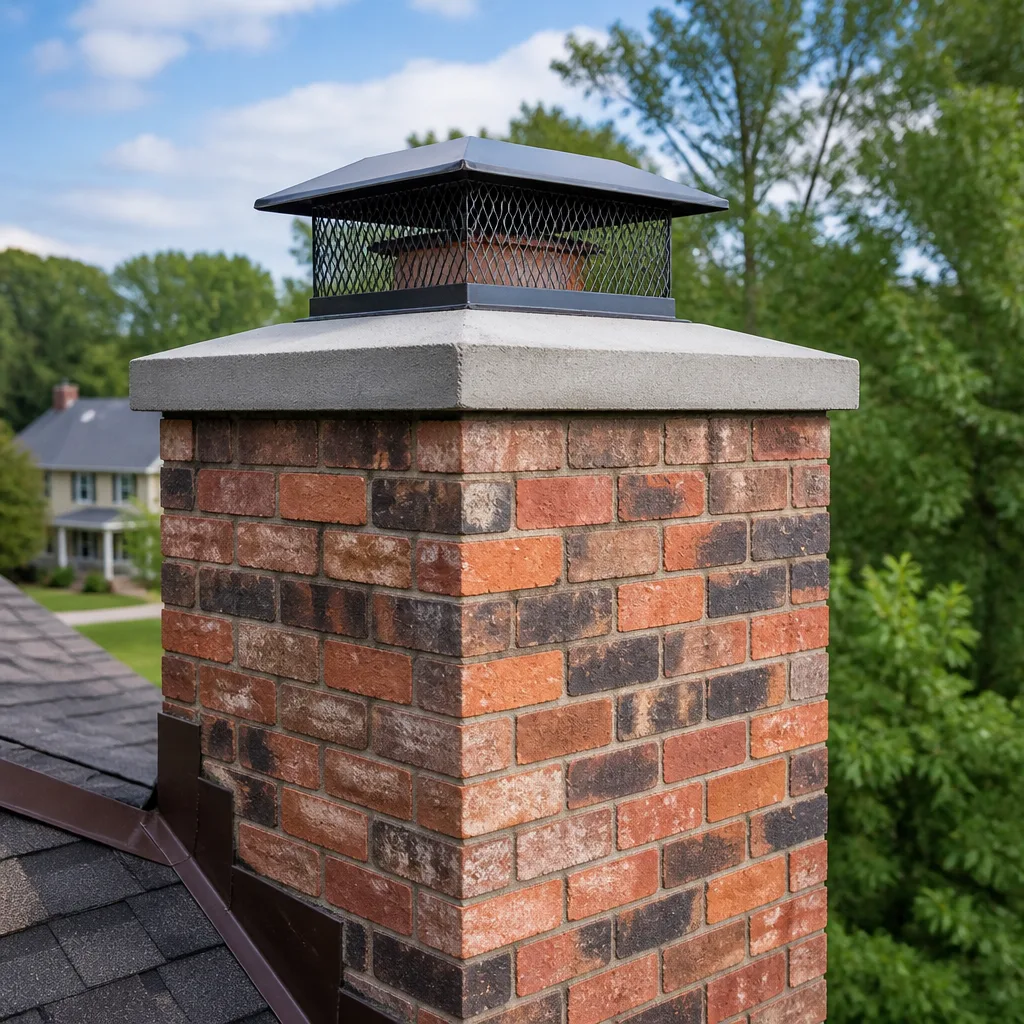 Caps & crowns
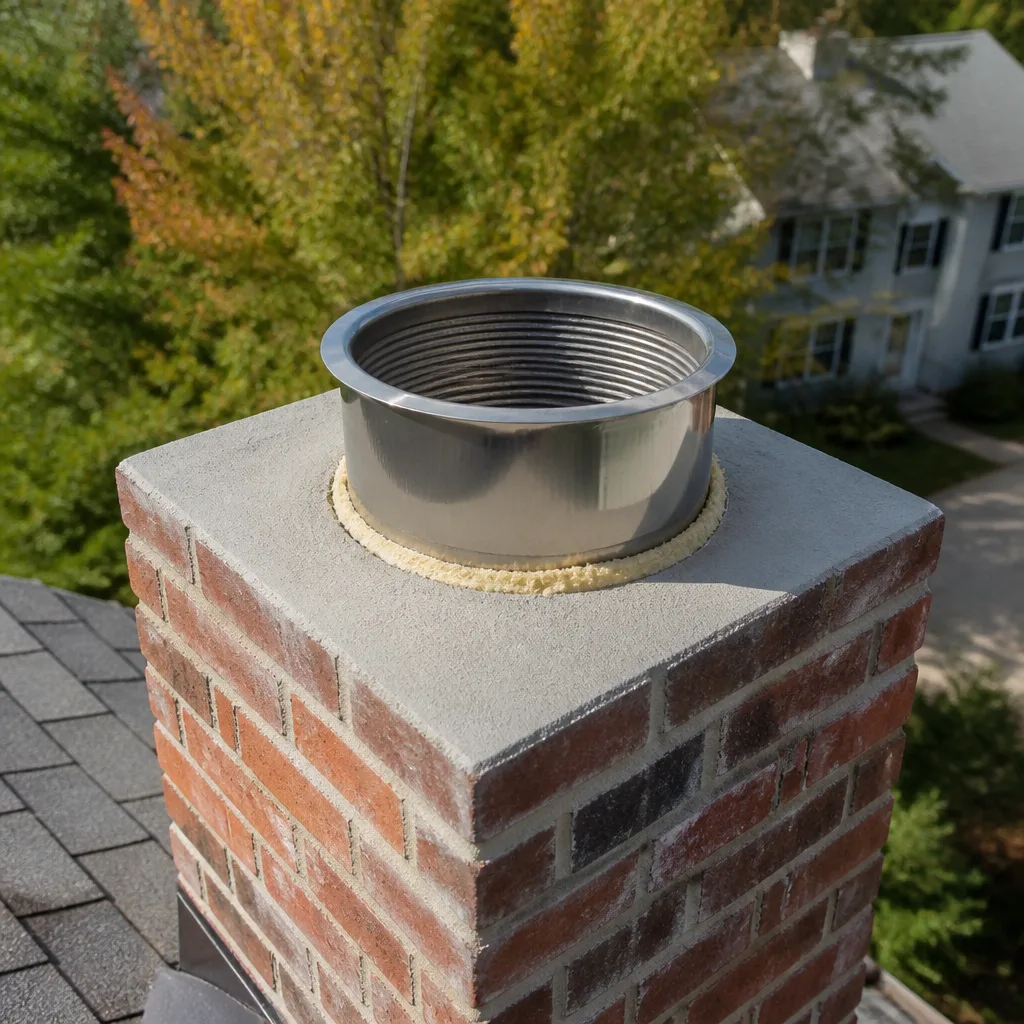 Flue relining
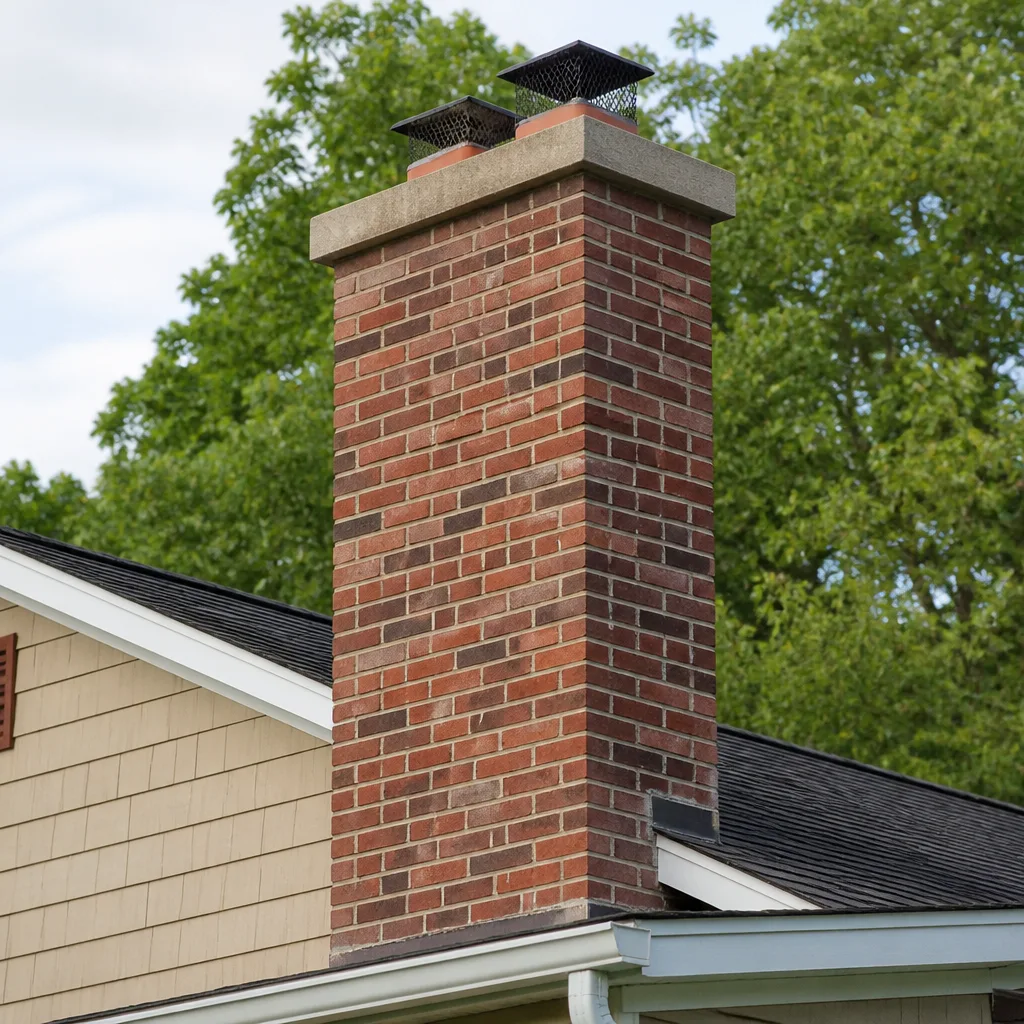 Masonry repair
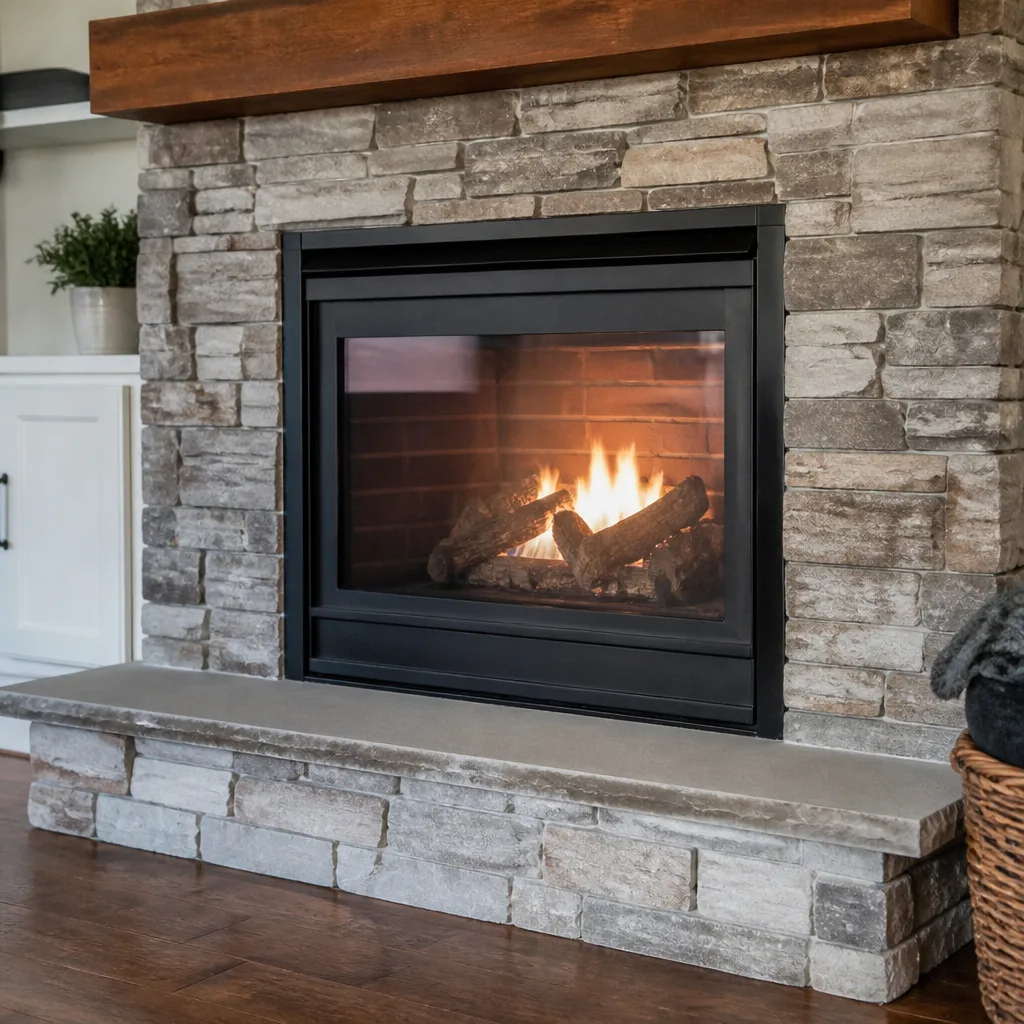 Gas fireplace service
Level 1 sweep and inspection to the NFPA 211 annual standard - flue, crown, cap, and flashing checked and photographed
Chimney sweep logs do not sweep chimneys. They loosen some creosote - which then falls where a brush and vacuum still have to collect it.
Chimney Cleaning Warning Signs: A Provo Homeowner’s Reference Guide
White staining on the outside of a chimney gets dismissed as an eyesore almost every time. It’s actually one of the most reliable diagnostic indicators in this trade. That chalky bloom means water is migrating through the masonry, usually through a cracked crown or failed flashing, and saturating the structure from the inside out. The stain is the last thing to show up, not the first. This guide pairs each visible and sensory warning sign with the mechanical problem it usually points to, so you can tell the difference between cosmetic and structural, between watch-and-monitor and stop-using-the-fireplace-tonight. We’ve laid it out the way we think through a chimney in Provo.
Quick Answer
The most important chimney cleaning warning signs are glazed creosote, smoke rolling back into the room, white efflorescence staining, crumbling mortar joints, and a summer smoky smell. Each points to a specific mechanical problem: restricted flue, poor draft, water intrusion, or a compromised liner. Any of them means stop using the fireplace and get an inspection before you light another fire.
Styles & brands we work with
- Sweep & inspection
- Caps & crowns
- Flue relining
- Masonry repair
- Gas fireplace service
Table of Contents
- The Symptom-to-Cause Reference: What Each Sign Usually Means
- Creosote Stages 1, 2, and 3: Why Glazed Creosote Can’t Be Brushed Away
- The Sounds Your Chimney Makes: Normal Expansion vs. a Compromised Liner
- The Summer Smoky Smell: A Structural Warning, Not a Seasonal Quirk
- Smoke Backdrafting and What It Actually Tells You About Your Flue
- Watch-and-Monitor vs. Stop-Using-Immediately: How to Sort the Signs
- Water Intrusion Signs: Efflorescence, Rust, and Crown Cracking
- How Often Should a Chimney in Provo Be Swept and Inspected?
The Symptom-to-Cause Reference: What Each Sign Usually Means
Homeowners tend to sort chimney problems into two buckets: “that’s just normal” and “call somebody right now.” The useful third category is “this points to something specific.” Here is the reference table we’d hand any Provo homeowner. It pairs each warning sign with the mechanical cause behind it, so you know what you’re actually looking at before you pick up the phone.
| Symptom | Likely Mechanical Cause |
|---|---|
| Smoky odor in summer | Moisture reacting with creosote deposits in the flue; a draft reversal pulling soot and tar back into living space |
| White, chalky staining (efflorescence) | Water migrating through masonry; cracked crown, failed flashing, or masonry joint failure |
| Smoke rolling back into the room | Inadequate draft, a flue that’s too short or too narrow, a clogged flue, or pressure imbalance inside the house |
| Rust on the damper or firebox | Water penetration from above; failed crown or a damaged chimney cap |
| Crumbling mortar joints | Moisture freezing in the masonry and spalling out the joints |
| Visible vertical cracks in the exterior masonry | Thermal movement, settling, or water-driven damage to the crown and inner liner |
| Creosote buildup with a shiny, tar-like surface | Stage 3 glazed creosote; needs chemical or mechanical removal, not brushing |
| Loud popping or crackling during a fire | Creosote igniting, or a failing liner section coming apart under heat |
| Black staining above the firebox opening | Chronic backdraft or an undersized flue for the appliance |
| Debris falling into the firebox | Failed chimney flue tiles, a broken crown, or an animal nest breakup |
The important thing about a table like this is what it saves you from. It stops you from treating a structural problem as cosmetic, and it stops you from panicking over a symptom that can safely wait until spring. We’ve seen Provo homeowners misread both directions in the same season. If a single row above applies to you right now, that’s the one worth investigating first.
Creosote Stages 1, 2, and 3: Why Glazed Creosote Can’t Be Brushed Away
Creosote is the tar-like deposit left behind when wood smoke cools inside the flue. It builds up in three distinct stages, and only one of them responds to a standard sweep. That distinction matters more than most homeowners realize. Misidentifying Stage 3 as Stage 1 is one of the most common reasons a chimney fire happens in a home that was supposedly “just swept.”
Here’s the progression, and what each stage looks like in practice:
- Stage 1 creosote is a thin, soot-like deposit that comes off with a stiff bristle brush. It’s what you’d see in a chimney that gets an annual sweep and burns reasonably seasoned wood.
- Stage 2 creosote is a thicker flaky crust, dark brown or blackish, sometimes with a shiny surface but still brittle. It comes off with more aggressive brushing, and in some cases a rotary cleaning tool.
- Stage 3 creosote is glazed, hard, and tar-like. It looks like dried coal tar or dark glass coating the flue wall. It will not come off with brushing at all. Removing it requires chemical creosote removers or a rotary tool designed specifically for the job, and sometimes both in sequence.
Stage 3 forms when the flue runs too cool, or when the wood is too wet. Underbuilt fires, a fire burned with a smoldering damper, or unseasoned wood all push deposits toward the glazed stage. In Provo, where winter burning happens long and cold, we see this most often in fireplaces that get a lot of use with wood that wasn’t properly dried. Glazed creosote burns hot. That’s the real issue. The brush won’t touch it, and the fire it can feed is the reason professionals take it seriously.
The Sounds Your Chimney Makes: Normal Expansion vs. a Compromised Liner
A wood-burning chimney is not silent. Metal liners and metal firebox components expand and contract with heat, and that produces a low, even ticking or creaking for the first few minutes of a fire. That’s thermal expansion. It’s normal, and it settles down as the flue comes up to temperature.
What’s not normal:
- Loud popping or rattling that grows in intensity. Creosote igniting or a failing liner section contracting and opening up under heat.
- Metallic banging or scraping sounds during a fire. A metal liner that’s detached from its support or rubbing against masonry inside the flue.
- A continuous roaring sound that isn’t proportional to the fire you built. A chimney fire pulling air up through the flue.
- Whistling or howling at start-up. Draft is being forced through a gap in the flue or a partially failed liner joint.
- Grinding or scratching sounds when the damper moves. Damper hardware failing, or debris lodged against it inside the firebox.
A flex liner is built to move with heat and stay sealed. When the sound changes, the shape of the flue has changed too, or the liner has. Either way, that’s a diagnostic question, not a “wait and see” question. If you hear something new while the fire is going, close the damper, let the fire burn down, and get it looked at before you burn again. A liner installed correctly the first time – a DuraFlex stainless system, for example – is designed to give you a quiet, even-running flue for years. Noises that don’t match that pattern are the signal.
The Summer Smoky Smell: A Structural Warning, Not a Seasonal Quirk
The “smoky smell in the summer” is the warning sign we see misread more than any other. Homeowners treat it as a warm-weather quirk, something to open a window about and move on from. In mechanical terms, it’s a chimney telling you two things at once: there’s a significant creosote deposit sitting in the flue, and the pressure dynamics in the house are pulling air down that flue instead of up it.
Here’s what’s actually happening. Creosote and soot deposits absorb moisture from ambient summer humidity. When the outside air is warmer than the inside of the chimney, the flue drafts downward, pulling that moisture-laden soot smell back into the house. It’s the same reversal that causes smoke to roll into a room on a cold start-up, just running in slow motion across the entire summer.
That downward pull is more than a nuisance. Every cycle of moisture moving into the masonry and out again is working on the mortar joints and the crown. The smell is the visible symptom of a slow structural process already underway. Once the liner itself is compromised, that moisture reaches the framing, and the process accelerates.
For Provo homeowners, this is worth naming plainly because the smell shows up in the warm months when nobody’s thinking about the chimney. If your fireplace smells smoky in July, the fireplace is telling you something. Book the inspection. It’s a genuine warning, and the fix is usually smaller the earlier it’s caught.
Smoke Backdrafting and What It Actually Tells You About Your Flue
Smoke rolling back into the room during a fire is a draft problem, but “draft problem” is a broad category. The useful thing is to sort it into one of four specific causes, because each one has a different remedy and a different cost.
- Flue too short or too narrow for the appliance. The flue has to be tall enough and wide enough to pull the volume of smoke the fire produces. Undersized, it stalls.
- Obstructed flue. A bird nest, a collapsed tile, a heavy creosote deposit, or debris from a failed crown. Even partial block reduces the draft enough to send smoke into the room.
- House pressure imbalance. Modern tight construction, a powerful kitchen exhaust fan, or a running dryer can depressurize the house enough to reverse the flue. Opening a nearby window during a fire is the quickest diagnostic test – if it fixes the draft, pressure is the problem.
- Adjacent taller structure. A second chimney, a tree, or a roofline that overrides your chimney top and creates negative pressure above the flue.
Backdrafting is also a carbon monoxide risk if you burn gas, and it’s a smoke-and-soot infiltration issue on wood. Either way, it’s a stop-using situation until it’s diagnosed. The good news is that most of these causes are correctable, and some are corrected in the same visit as the sweep. Professional cap and crown work – the sort of fitted work we do with Copperfield and Famco products – often resolves a backdraft that looked like a liner problem.
Watch-and-Monitor vs. Stop-Using-Immediately: How to Sort the Signs
Sorting warning signs correctly is half the value of knowing what they mean. Homeowners who panic over a minor deposit waste money and stress. Homeowners who shrug off a compromised liner put their household at risk. Here’s the split we use, stated plainly.
Watch-and-monitor – bring it up at your next inspection:
- Minor flaky Stage 1 or light Stage 2 creosote buildup in a chimney swept last season
- Chalky efflorescence on the exterior masonry with no rust inside the firebox
- A few hairline cracks in the firebrick, if the material behind is intact
- Occasional low popping sounds during the first few minutes of a fire
- Slight soot smudging on the firebox glass of a gas fireplace
Stop using the fireplace immediately – call for inspection before the next fire:
- Any amount of glazed, tar-like Stage 3 creosote visible in the flue
- Smoke rolling back into the room with a fire that was burning well minutes earlier
- Debris falling into the firebox, especially tile fragments
- Loud, accelerating popping or rattling sounds during a fire
- A smoky smell in summer you’ve never had before
- Visible staining spreading on interior walls near the chimney
- Carbon monoxide alarms triggering during or after a fire
- Any firebox component – damper, firebrick, grate – that has visibly shifted or broken
If a single item from the second list applies to your chimney in Provo right now, that’s the actionable step. Don’t wait for the season to turn before you get it looked at.
Water Intrusion Signs: Efflorescence, Rust, and Crown Cracking
Water is the single greatest cause of long-term chimney damage in this region. Not creosote, not heat. Water. The challenge is that the visible signs show up only after the damage has had time to work, so reading them correctly matters.
Efflorescence – the white, chalky staining on exterior masonry – is the migration of water-soluble salts to the surface as moisture evaporates out of the masonry. It looks cosmetic. It isn’t. Water that gets into a chimney from above comes from three places most often:
- A cracked or missing crown. The crown is the sloped concrete top that sheds water away from the flue. When it cracks, water runs straight down the masonry instead of off it. A crown replacement with a properly fitted, supplier-grade product is the fix.
- Failed flashing. The metal flashing at the roofline is what keeps water from running under the shingles and into the chimney chase. Flashing failures are common and often misdiagnosed as masonry problems.
- A missing or damaged chimney cap. The cap is the cover over the flue opening. Without one, rain runs straight down the flue into the firebox. A properly fitted cap with a spark arrestor screen also keeps animals and debris out, which is why we specify named-brand caps rather than hardware-store substitutes.
Interior signs of the same problem show up as rust on the damper, staining on the firebox walls, or water pooling in the firebox after a hard rain. Each of these is a diagnostic indicator that water is getting in from above. Left alone, water intrusion does damage that runs into structural repair, and in some cases the masonry needs rebuilding instead of repair.
Our chimney repair work starts here – finding where the water is actually getting in and fixing that before chasing the cosmetic signs. A crown that’s replaced once and done is cheaper than masonry rebuilt five years later.
How Often Should a Chimney in Provo Be Swept and Inspected?
Annual sweeping and inspection is the baseline for any chimney that gets regular use. That’s the industry standard, and it holds regardless of how much you burn. Beyond that baseline, the right interval depends on how the fireplace gets used and how it’s burning.
A few Provo-specific factors push the recommendation:
- Heating-heavy winters. A fireplace that runs most evenings from November through February accumulates deposits faster than one used a few times a season. Higher-use homes benefit from an inspection at mid-season as well as the pre-season annual.
- Wood quality. Unseasoned or high-moisture wood drives creosote toward the glazed stages. If you’re not sure how well-seasoned your wood is, that alone is a reason for an annual inspection to check the actual buildup.
- Altitude and cool flues. At Provo’s elevation, flues come up to temperature more slowly than they would at sea level, which can favor cooler-running fires and heavier deposit formation.
- Gas appliances. A gas fireplace still needs an annual inspection for venting integrity, even though there’s no wood creosote. The risks shift from creosote to carbon monoxide and condensation damage.
If you’ve ever had a chimney fire – even a small one that “went out on its own” – the next inspection should be immediate, not annual. Chimney fires do hidden damage inside the flue that isn’t visible from the firebox. Our chimney sweep service includes a camera inspection for exactly this reason, so the evaluation is based on what the flue actually looks like inside rather than what the firebox tells us.
Common Mistakes to Avoid
- Assuming white staining is cosmetic. Efflorescence is the masonry telling you water is inside the structure. Treat the cause, not the appearance, before the damage compounds into a rebuild.
- Brushing over glazed creosote. Stage 3 creosote doesn’t respond to brushing. A sweep that “looks done” but leaves glazing on the flue wall hasn’t solved the problem.
- Treating the summer smoky smell as a seasonal quirk. It’s the chimney indicating moisture cycling through creosote deposits and pressure reversing through the flue. It’s a diagnostic signal, not a nuisance.
- Skipping the inspection because the fire burns fine. A fire can burn well while the liner is compromised. The symptoms you see in the firebox don’t include what’s happening two feet up the flue.
- Replacing a liner when a crown replacement would solve the water intrusion. Diagnosing the actual source of a problem before recommending a fix saves thousands in unnecessary work.
- Burning unseasoned wood to save money. Wet wood drives creosote toward the glazed stage faster, which means more frequent sweeps and, in the worst case, a shortened liner life. Drying wood properly is the cheapest maintenance step available.
- Ignoring a rusted damper. Rust in the firebox is water entry, not a metal problem. The damper is the messenger, not the cause.
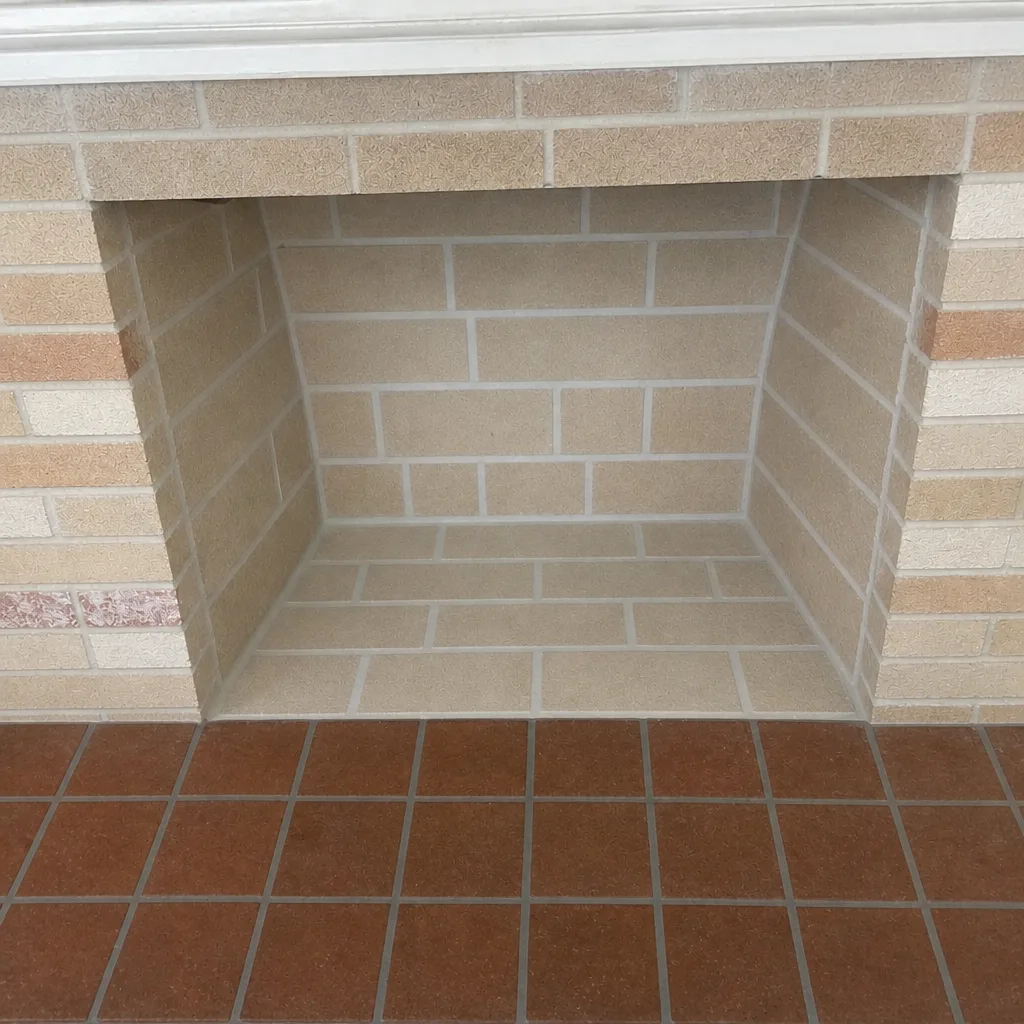
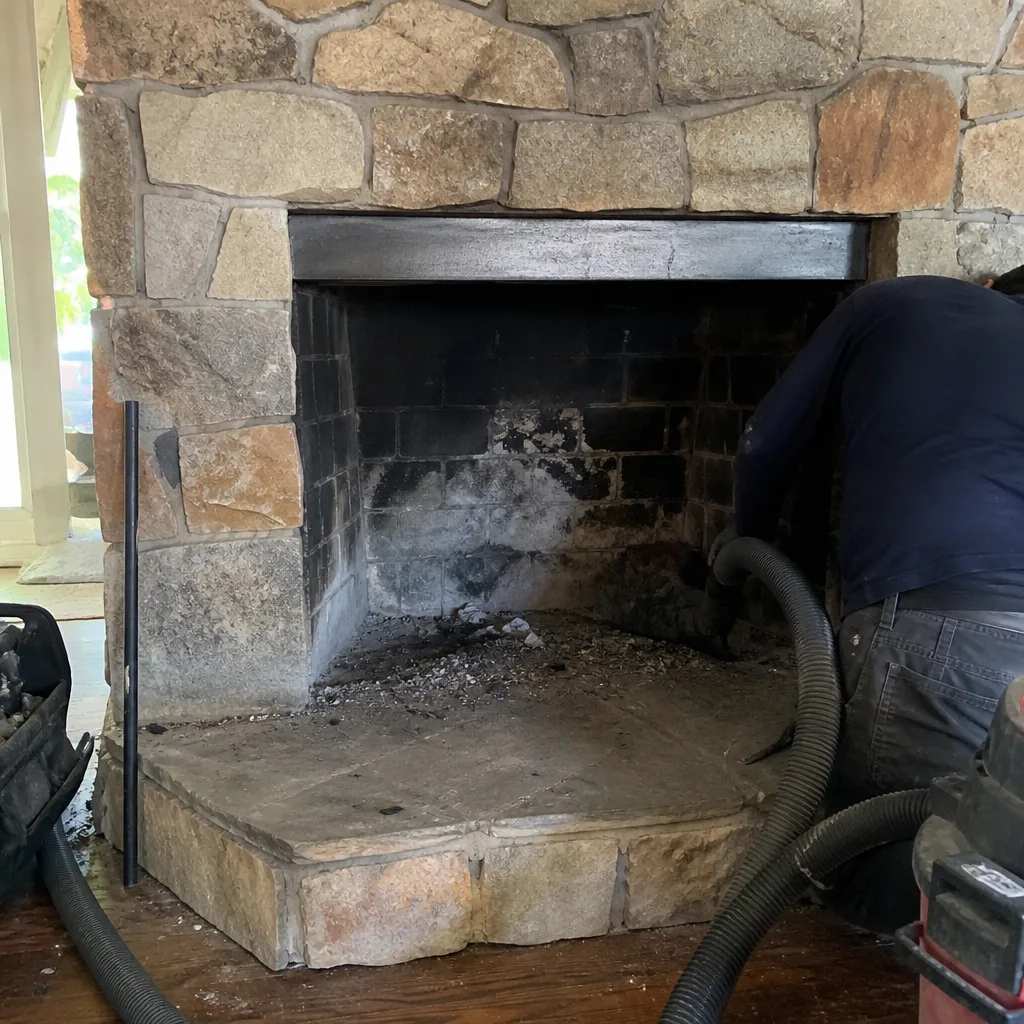
See the difference
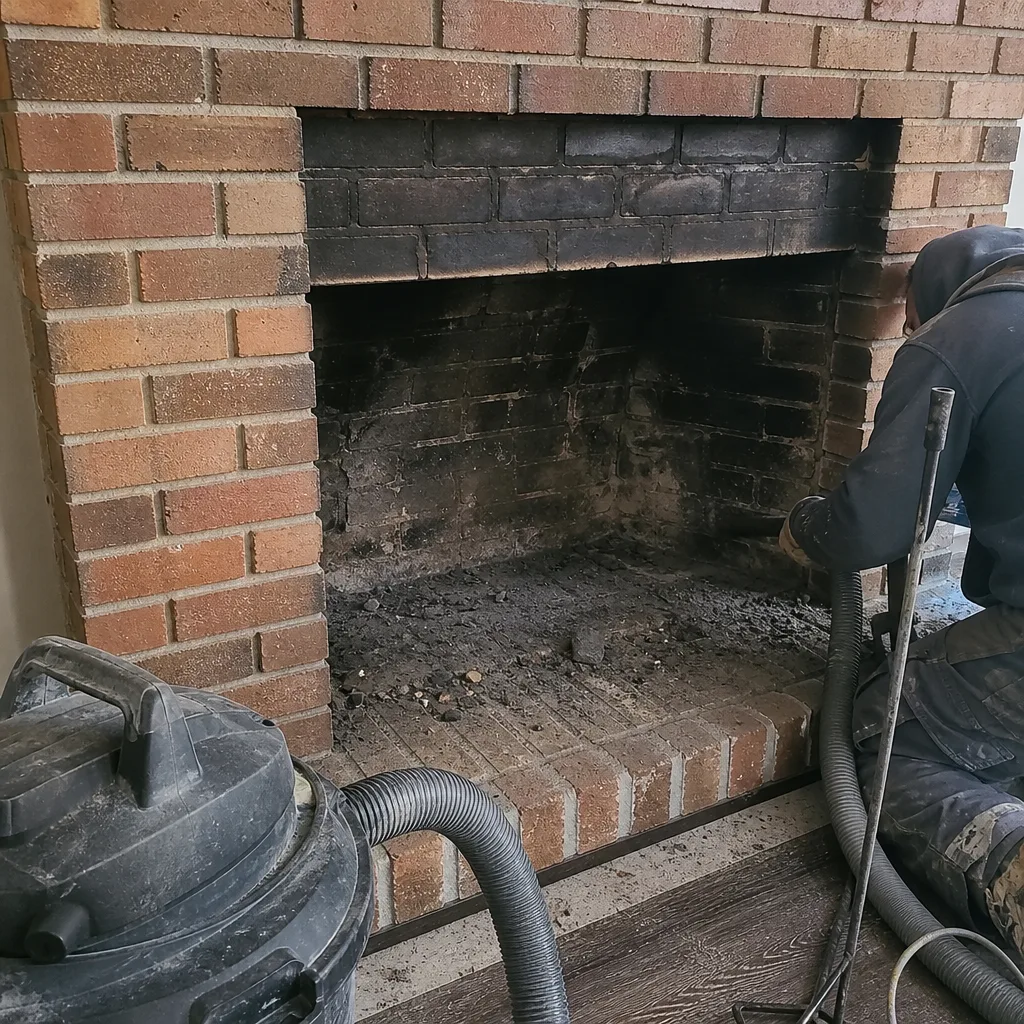 Before
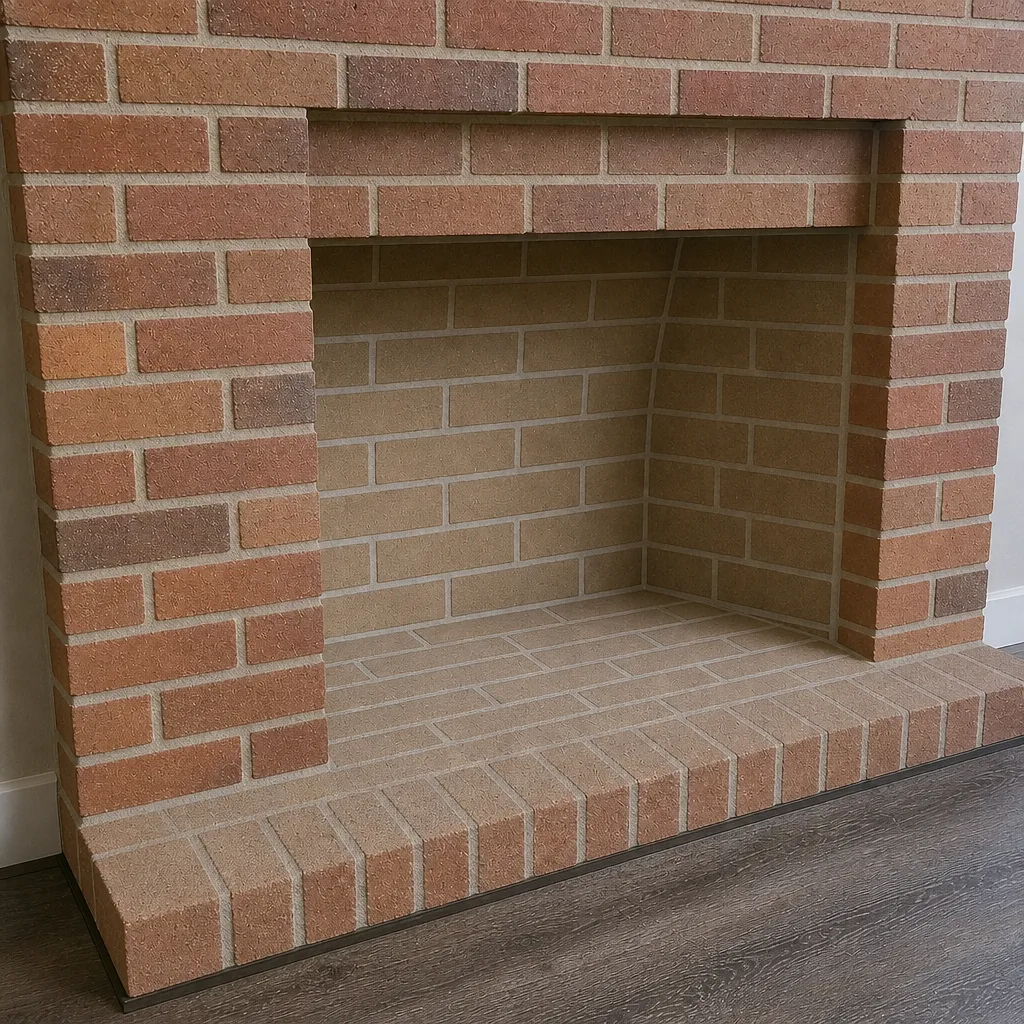 After
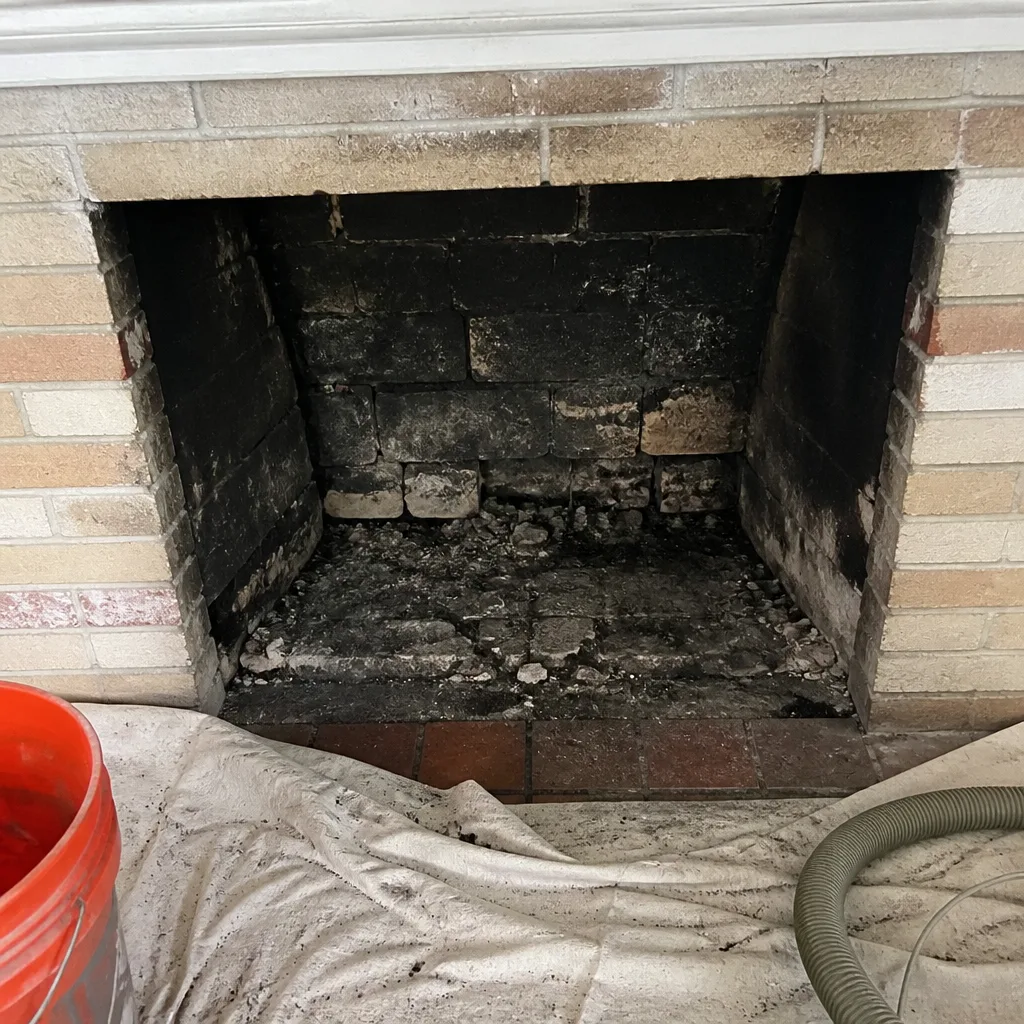 Before
 After
 Before
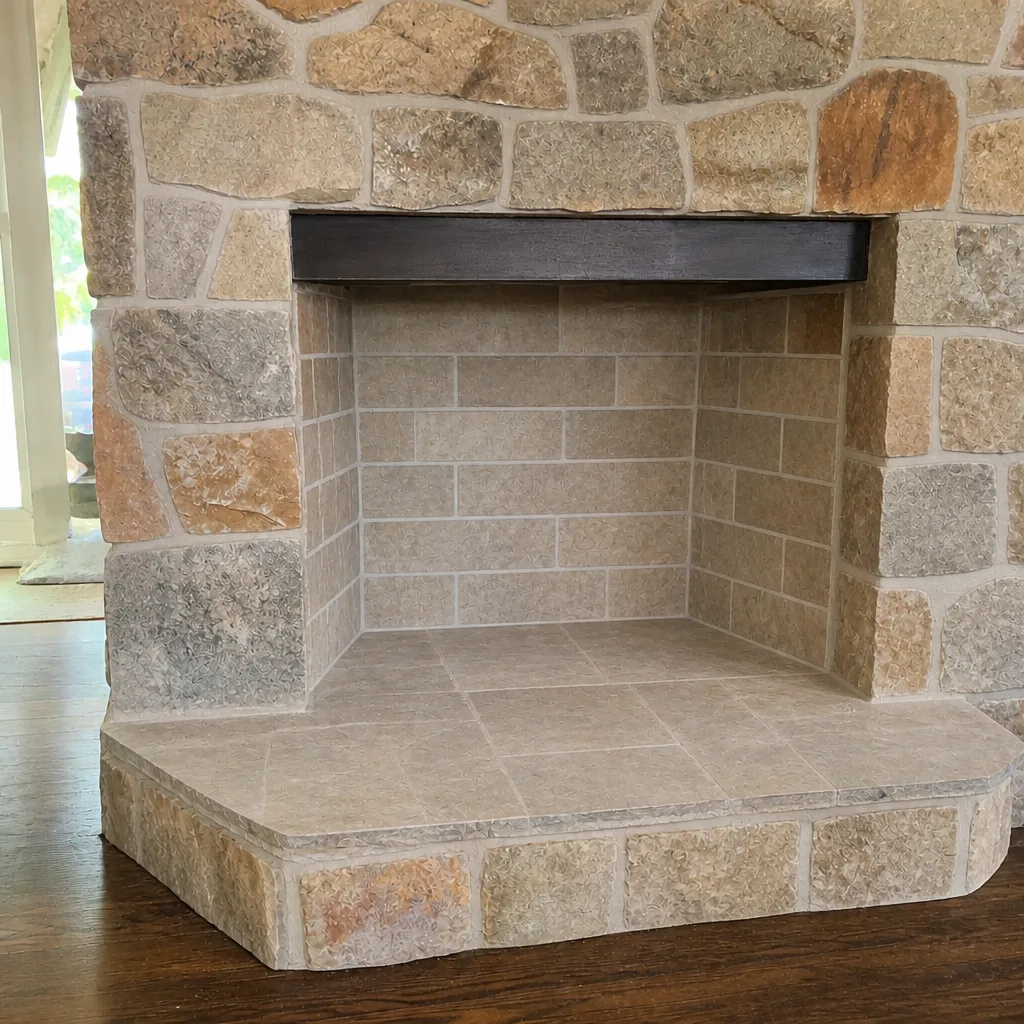 After
When to Call a Professional
Call a professional if any item from the stop-using list applies to your chimney in Provo. Call if you’ve had a chimney fire, even a small one. Call if you’ve moved into a home and don’t know when the chimney was last inspected. Call if your carbon monoxide alarm has triggered during or after a fire. Call if you see mortar damage that’s visible from the ground, or if the crown has a visible crack running to the flue opening. Call if smoke rolls back into the room and it wasn’t doing that last winter. And call if you’re simply not sure – an inspection is the cheapest knowing you’ll ever buy. Provo Chimney Sweep offers free estimates in Provo. Call (866) 330-1947. We answer 24/7. Fast dispatch from 7am to 7pm, Sunday through Friday.
Frequently Asked Questions
If you see glazed, tar-like creosote in the flue, smell a smoky odor in the summer, or noticed any smoke backdraft last season, the chimney needs a sweep and inspection before you light the first fire. The simplest test is to look at the flue from the firebox with a flashlight: more than about an eighth of an inch of buildup is the point where a sweep is due. When in doubt, an inspection answers the question directly. Call (866) 330-1947 for an exact quote – estimates are free.
No. Glazed Stage 3 creosote won’t come off with a brush, and attempting it usually just embeds the deposit deeper into the flue wall. Removing it requires chemical creosote removers or a rotary cleaning tool designed for the job, and sometimes both in sequence. It’s a specialist job, and doing it wrong leaves a deposit that can feed a chimney fire. Call (866) 330-1947 for an exact quote – estimates are free.
Because warm outside air is reversing the draft and pulling soot-and-moisture-laden air back down the flue, and because creosote deposits in the flue are absorbing ambient humidity. That’s a structural warning, not a seasonal quirk. It means there’s significant creosote buildup and the flue pressure dynamics have changed. Call (866) 330-1947 for an exact quote – estimates are free.
A Level I inspection is a visual check of readily accessible components, appropriate for a chimney that’s in regular use with no known issues. A Level II inspection adds a camera evaluation of the flue interior and is the standard for a new home purchase, an appliance change, or after a chimney fire. A Level III inspection involves opening access panels into concealed areas when the previous levels have identified a problem that requires direct visual access. Level II is what most Provo homeowners need when a warning sign shows up. Call (866) 330-1947 for an exact quote – estimates are free.
It depends on the condition of the existing flue. HeatShield liner resurfacing rebuilds the inner surface of a flue that’s cracked or deteriorated but not fully failed, which is often a substantial cost saving over a full liner replacement. A fully failed flue or one with structural gaps calls for a DuraFlex stainless system instead. The decision should come from camera evidence of what’s actually happening in your flue, not from a guess. Call (866) 330-1947 for an exact quote – estimates are free.
Visible glazed creosote combined with any sound of popping or roaring during a fire is the highest-priority stop-burning scenario. That combination means the deposit is ignitable and something is already creating the conditions for it to ignite. Also stop immediately if a carbon monoxide alarm triggers during or after a fire, or if debris is falling from the flue into the firebox. Call (866) 330-1947 for an exact quote – estimates are free.
Partly. Gas fireplaces don’t produce creosote, so the creosote stage warning doesn’t apply. But backdrafting, carbon monoxide risk, water intrusion signs, and venting integrity all still apply, and gas appliances need an annual inspection for exactly those reasons. If you see condensation on the firebox glass, rust on the burner assembly, or smell gas around the fireplace, those are stop-using signals. Call (866) 330-1947 for an exact quote – estimates are free.
The Bottom Line
The warning signs on this page fall into two useful groups: the ones that point to a structural problem you should stop burning on, and the ones that point to a maintenance issue worth scheduling. Learning to sort them is the whole value of a reference guide. Glazed creosote, smoke backdraft, debris falling into the firebox, and a summer smoky smell are structural. Efflorescence, mortar joint deterioration, and rust in the firebox point to water, which is also structural but slower. The rest are watch-and-monitor items that belong in your next inspection conversation. Either way, Provo Chimney Sweep approaches each chimney by finding the mechanical cause before recommending the fix. That’s how fireplace repair should work, and it’s what we do every day across Provo. Call (866) 330-1947. We answer 24/7. Fast dispatch from 7am to 7pm, Sunday through Friday. Estimates are free, and nothing is recommended without camera evidence you can see for yourself.
Written by the team at Provo Chimney Sweep.