
Last updated November 25, 2026
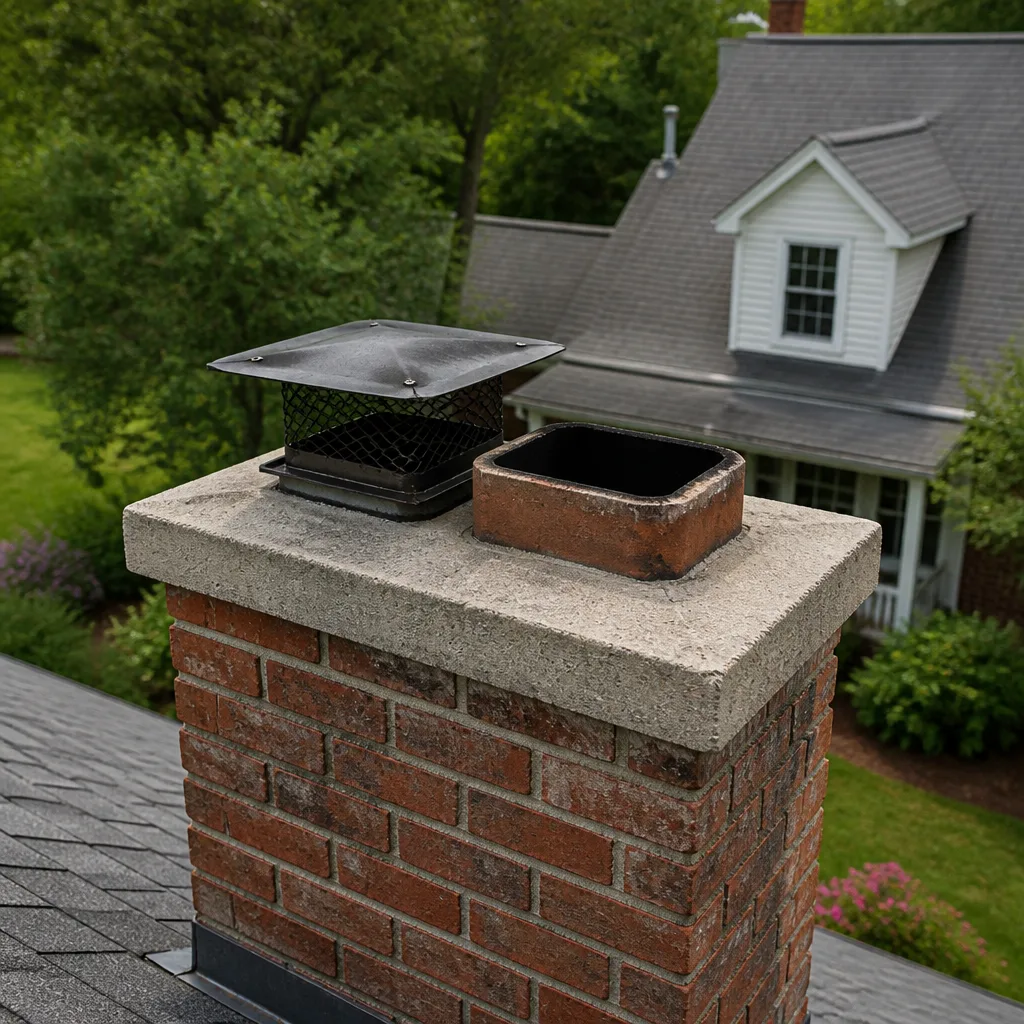 Sweep & inspection
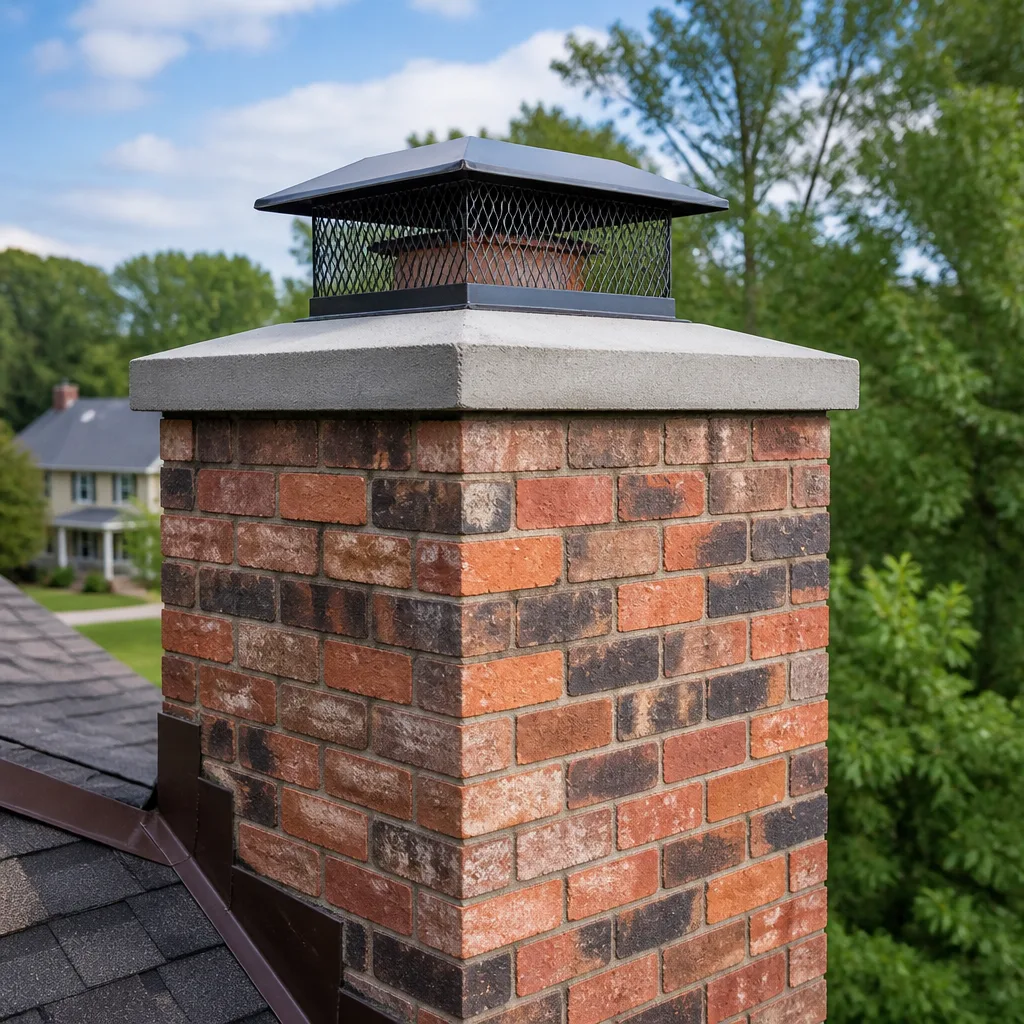 Caps & crowns
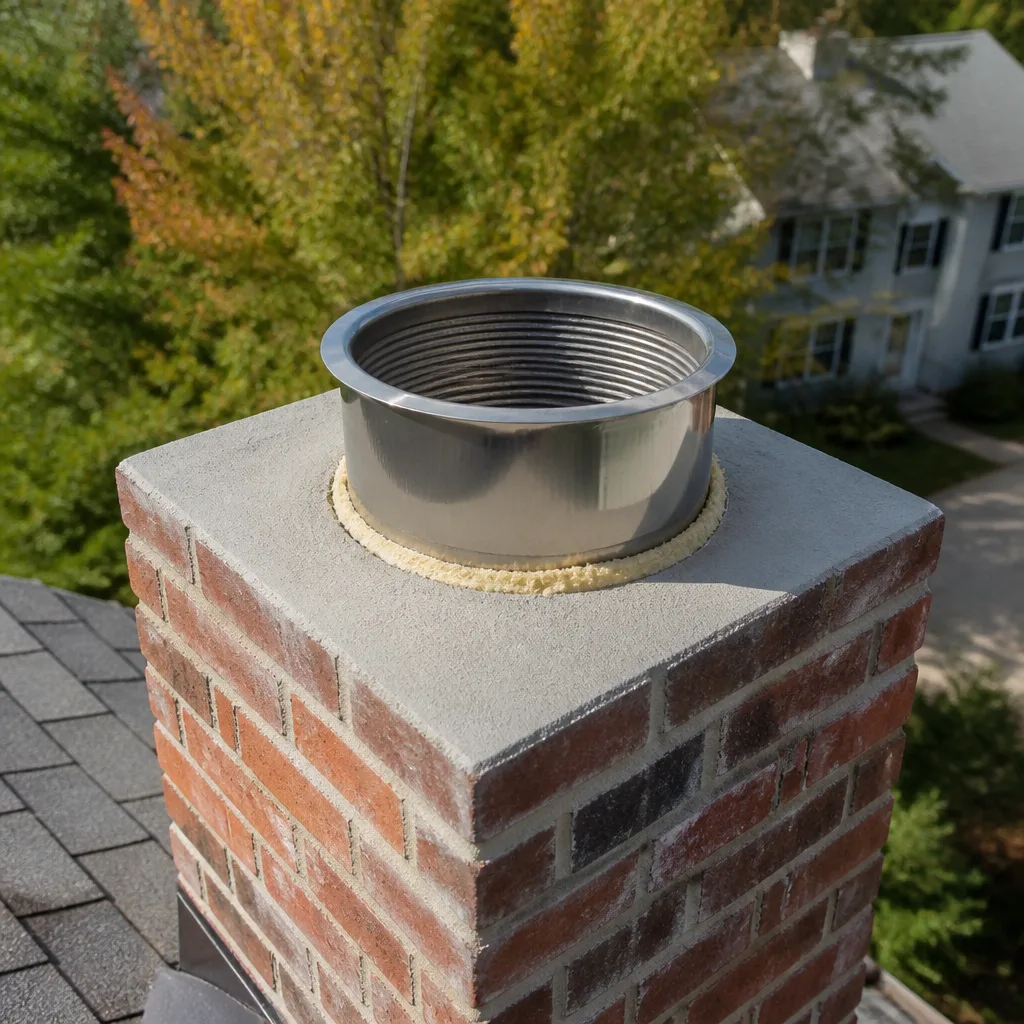 Flue relining
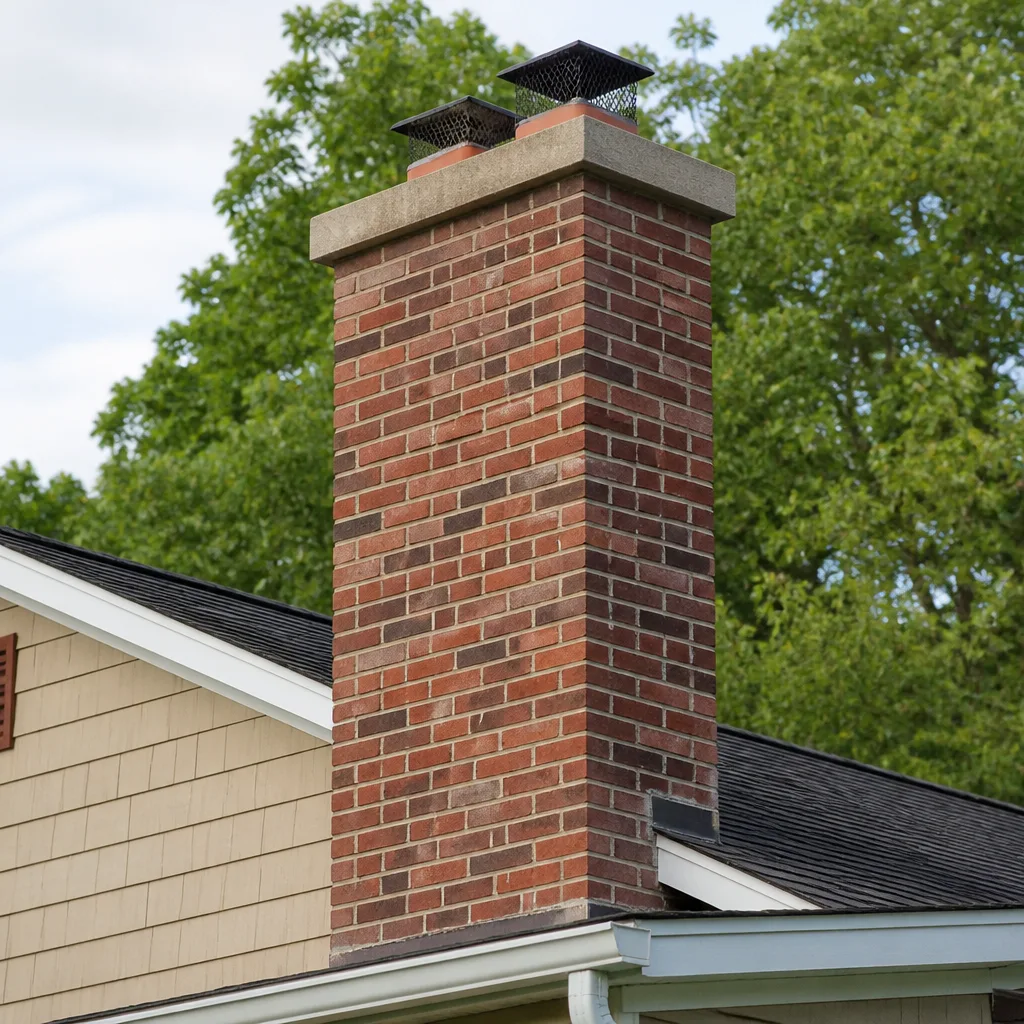 Masonry repair
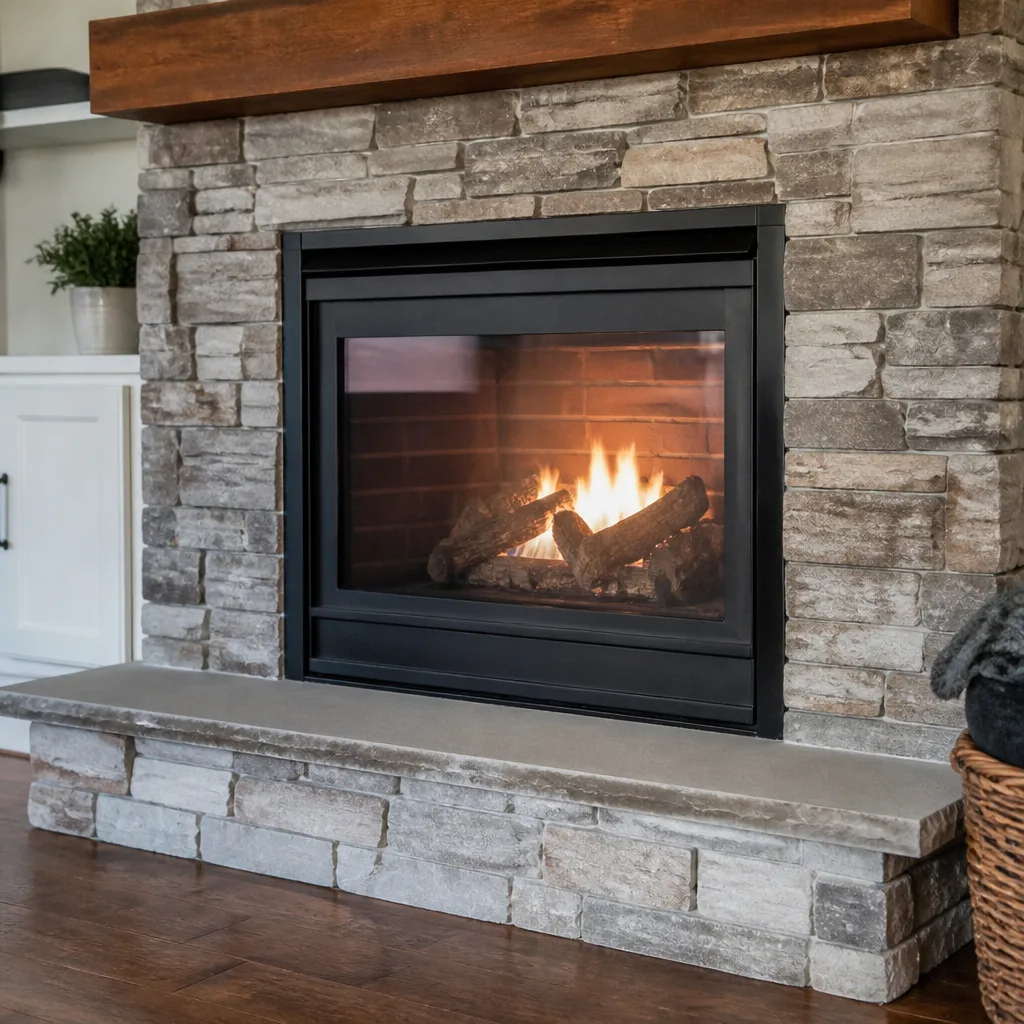 Gas fireplace service
Level 1 sweep and inspection to the NFPA 211 annual standard - flue, crown, cap, and flashing checked and photographed
Chimney sweep logs do not sweep chimneys. They loosen some creosote - which then falls where a brush and vacuum still have to collect it.
The Complete Guide to Chimney Cleaning in Provo
Most chimney fires in Utah don’t start in chimneys that were never cleaned. They start in chimneys that were cleaned incompletely, usually by someone who skipped the liner inspection because they didn’t carry the right camera equipment or didn’t know what to look for. A sweep that removes the visible soot from the firebox and stops there can leave a glazed creosote layer on the flue wall that no brush will touch on the next visit. This guide maps the whole system: how Provo’s elevation changes how your fire burns and how fast creosote builds, what each inspection level actually covers, why wood, gas, and pellet appliances each need a different cleaning protocol, and the paperwork a real sweep should hand you when the job is done.
Quick Answer
A thorough chimney cleaning in Provo involves more than running a brush up the flue. It means a Level 1 or Level 2 inspection depending on your situation, mechanical removal of soot and creosote matched to the fuel type, and a camera look at the liner so you know the flue is intact. Professional-grade rotary systems and documented before-and-after photos are the difference between a real cleaning and a surface sweep.
Styles & brands we work with
- Sweep & inspection
- Caps & crowns
- Flue relining
- Masonry repair
- Gas fireplace service
Table of Contents
- Why Chimney Cleaning in Provo Is Different
- The Three Inspection Levels and Which One You Need
- How Fuel Type Changes the Cleaning Protocol
- What Rotary Cleaning Systems Do That Brushes Can’t
- What a Complete Cleaning Looks Like, Step by Step
- The Documentation a Legitimate Sweep Should Leave Behind
- How Often Should a Provo Chimney Be Cleaned?
- How to Choose a Chimney Sweep in Provo
Why Chimney Cleaning in Provo Is Different
Provo sits at roughly 4,550 feet above sea level, and that elevation changes how a wood fire burns. At thinner air, a fire needs more draft to pull the same volume of oxygen through the fuel bed. When draft is marginal, combustion is less complete, and incomplete combustion produces more creosote per cord of wood. That’s the part homeowners rarely hear about. Two identical stoves burning identical wood at sea level and at Provo’s elevation will not accumulate creosote at the same rate, and the higher-altitude fire is usually the dirtier one.
Add the local burn season. Provo winters swing between cold snaps that run the stove hard and mild stretches where a fire smolders overnight to hold heat. Smoldering is the single biggest creosote producer there is. A damped-down fire sends unburned gases up a cool flue, and those gases condense on the liner wall as a sticky, flammable glaze. If your burning habits include overnight loads that burn low and slow, your cleaning interval should be shorter than a homeowner who builds hot fires and lets them burn clean.
The housing stock adds another variable. Provo has everything from older brick-and-mortar chimneys near downtown to newer construction with factory-built metal fireplaces and insulated flues, plus a lot of homes in the hills east of town where wind exposure affects draft. Masonry flues absorb moisture and spall; metal liners can separate at joints. Neither problem shows up in a soot count. They show up in an inspection, which is why we treat sweeping and inspection as one visit, not two.
Utah also has a real inversion problem along the Wasatch Front, and burn restrictions get issued during the worst stretches. When you can’t burn for days, then light a cold chimney and run it hard, the first fires of the season are the dirtiest. That’s a good reason to schedule cleaning before the cold sets in, not after the first smoke smell back into the room.
The Three Inspection Levels and Which One You Need
Chimney inspections follow a national standard, NFPA 211, and it defines three levels of investigation. Knowing the difference matters because a company that only offers one level will almost always tell you that one is the one you need.
Level 1 Inspection
A Level 1 is the basic visual check performed during a routine sweep. The technician looks at the accessible portions of the chimney, the firebox, the damper, the connector pipe, and the visible flue, without special tools. It’s appropriate when your appliance and fuel haven’t changed and nothing about the system has been altered since the last cleaning. This is the level that comes with an annual sweep. For most homeowners in Provo who burn the same fuel in the same appliance year after year, a Level 1 is the starting point.
Level 2 Inspection
A Level 2 adds a video camera inspection of the flue interior and access to concealed areas like attics and crawlspaces where the chimney passes through. The standard calls for a Level 2 when the appliance changes, when a different fuel is introduced, after a chimney fire or a seismic event, when a property changes hands, or when there’s a performance problem you can’t explain. After a heavy burn season with a lot of low, smoldering fires, a Level 2 is often the honest choice, because that’s when glazed creosote and joint separation are most likely to have developed out of sight. We carry cameras on every job for exactly this reason.
Level 3 Inspection
A Level 3 is diagnostic and may involve removing parts of the chimney or building assembly to access a concealed problem. It’s reserved for cases where a Level 1 or 2 found something serious and the only way to see it is to open it up. Most homeowners never need one, but when they do, it’s because a real defect was already suspected.
- Level 1 – routine annual sweep, same appliance, same fuel, no known problems.
- Level 2 – new appliance, new fuel, after a chimney fire, after a home sale, or an unexplained draft or smoke problem.
- Level 3 – a suspected defect that requires opening the chimney or surrounding structure to confirm.
If a sweep can’t tell you which level they performed and why, that’s a reason to ask questions before you book. The inspection level should be stated on your paperwork, not left to assumption.
How Fuel Type Changes the Cleaning Protocol
Wood, gas, and pellet appliances don’t just burn differently. They leave different deposits, and those deposits need different tools and different techniques. A company that treats every chimney the same is going to leave something behind on yours. Here’s the breakdown.
Wood-Burning Appliances
Wood produces three kinds of creosote: light soot and ash that brushes off easily, a crusty stage that needs mechanical agitation, and a glazed, tar-like stage that standard brushes skate right over. Glazed creosote is the dangerous one because it’s highly flammable and it bonds to the flue wall. It has to be broken down with a rotary system or treated with a chemical agent before it can be removed. The chimney sweep link between fuel and cleaning method is why we ask about your burning habits before we start: what you burn and how you burn it tells us what we’re likely to find.
Gas Appliances
Gas fireplaces and gas inserts don’t produce creosote, but they do produce a different problem. Gas combustion leaves acidic residue and, in vented systems, can corrode the liner or the vent connector over time. The burners and logs themselves collect dust and debris that affect flame quality. A gas appliance cleaning means inspecting the venting, checking the termination, cleaning the burner area, and looking for corrosion or blockage. It’s a different job with different tools, and it’s not something a wood-focused sweep should improvise.
Pellet Appliances
Pellet stoves burn cleaner than wood but produce fine fly ash that gets into every crevice, including the venting, the combustion blower area, and the exhaust path. Fly ash is light and easily drawn into the home if it’s disturbed carelessly. Pellet cleaning is a vacuum-and-detail job, not a brush job, and the exhaust venting needs the same attention as the firebox. Skipping the venting on a pellet stove is one of the most common shortcuts we correct on a first visit.
What This Means for You
Before booking, confirm the company cleans your appliance type and not just wood. Ask whether they carry a rotary system for glazed creosote and whether they inspect the venting on gas and pellet systems. If the answer is vague, keep calling. A true chimney specialist covers all three fuels because the protocols are part of the trade, not an add-on.
What Rotary Cleaning Systems Do That Brushes Can’t
A standard brush-and-rod kit is a flexible rod with a stiff-bristled brush on the end, worked up and down the flue by hand. It’s fine for light soot and ash. It is not sufficient for the crusty and glazed stages of creosote, and that’s where the real fire risk lives. Glazed creosote is hard, slick, and bonded to the liner wall. A brush passes over it and leaves it in place.
Professional rotary cleaning systems solve this with a spinning head driven by a power drill or a dedicated motor, with interchangeable whip, chain, and brush heads sized to the flue. The spinning head grinds the deposit off the liner wall instead of sliding past it, and the heads can be matched to the liner material so they clean without gouging. That’s the key point: rotary systems are chosen by flue type. A flue with a stainless-steel liner gets a different head than a clay-tile flue, and a clay flue needs gentler treatment because the tiles crack. Getting this wrong damages the liner, which is far more expensive than the cleaning.
Rotary systems also do the work in less time with less mess, because they’re run with a proper vacuum and containment setup. We use rotary equipment for exactly this reason: it’s the only way to fully remove the deposits that cause chimney fires, and it lets us confirm the liner condition after cleaning rather than guessing. When a flue needs more than rotary cleaning can safely do, that’s when resurfacing options like HeatShield come into play. HeatShield lets us resurface and repair a damaged flue from the inside without a full liner replacement, which is a real option a lot of sweep companies don’t offer because they don’t carry the product line.
If a company shows up with only a hand brush and a shop vacuum, you’re getting a surface sweep, not a cleaning. Ask what equipment they carry for glazed creosote before you book.
What a Complete Cleaning Looks Like, Step by Step
Here’s the sequence a thorough cleaning should follow. It’s worth knowing so you can tell whether the technician who shows up is doing the job or just going through the motions.
- Pre-visit questions. The company should ask about your appliance, your fuel, your burning habits, and any symptoms like smoke backdraft, odor, or staining. This tells them what inspection level to plan for.
- Protect the room. Drop cloths and a containment setup around the hearth. A proper sweep leaves the room as clean as they found it.
- Initial inspection. Firebox, damper, smoke chamber, visible flue, and the cap and crown, done before any cleaning so defects are seen in their original state.
- Clean the firebox and smoke chamber. Soot and ash removed, and the smoke chamber (the sloped area above the damper) brushed out. The smoke chamber is a spot many quick sweeps skip, and it’s a real creosote collector.
- Clean the flue. Rotary system matched to the liner material, bottom-up or top-down depending on access, with a HEPA vacuum running the whole time.
- Camera inspection of the liner. A video look at the flue interior to confirm it’s clean and intact. This is the step that separates a real cleaning from a soot removal.
- Check the cap, crown, and exterior. Look for cracks, missing cap, damaged crown, and any bird or animal nesting.
- Final report. Before-and-after documentation, the inspection level performed, findings, and any recommended repairs with a written estimate.
Any step in that list can be skipped by an outfit in a hurry. The camera inspection and the final report are the two you should insist on. If the flue was cleaned but never looked at, you don’t actually know it’s safe to use.
The Documentation a Legitimate Sweep Should Leave Behind
When the job is done, you should be handed something more than a receipt. Documentation is how you track the condition of your chimney over time and how a future technician knows what’s already been done. Here’s what a real sweep should provide.
- The inspection level performed and why. Level 1, 2, or 3, stated on the report, with the reason it was chosen. If a Level 2 was warranted and not done, that’s on the report.
- Before-and-after photos of the firebox and flue. Pictures you can see and keep, not a verbal summary.
- Camera footage or stills of the liner. So you can see the actual condition of the flue wall, not just take someone’s word for it.
- A written findings list. What was found, what was cleaned, and what was observed but left alone. Anything recommended for repair should be on paper with a stated reason.
- A written estimate for any recommended work. A flat price, agreed before the work is booked, not a verbal number in the driveway.
- The next recommended cleaning date or interval. Based on your fuel, your appliance, and what the cleaning turned up, not a generic annual reminder.
We hold to this standard because it answers the hesitation most homeowners have: being told they need expensive liner or masonry work they have no way to verify. Nothing gets recommended without camera evidence you can look at yourself, and we tell you plainly when a repair can safely wait. Some cracking in a firebox mortar joint is cosmetic and can be watched. A separated liner joint is not. The report should make that distinction clear.
How Often Should a Provo Chimney Be Cleaned?
Most chimney standards settle on an annual inspection and sweeping as needed, based on how much you burn. But “annual” is an average, and Provo isn’t an average place. Elevation, a long burn season, and how you run your fire all shift the interval.
A homeowner who burns a couple of cords a year and builds hot fires can often go a full season between cleanings, with an inspection each year. A homeowner who burns three or more cords, or who runs overnight smoldering fires to hold heat, should plan on a cleaning every season and should not stretch it to two. The elevation effect works against you here: the same fuel load produces more creosote at 4,550 feet than it would at lower altitude, so the lower end of the interval is the safer bet in Provo.
Gas appliance owners still need an annual inspection even though there’s no creosote. Venting corrosion, dust, and blockage don’t announce themselves. Pellet stove owners should clean the firebox and venting on a schedule tied to their burn volume, with a professional cleaning at least once a year. For everyone, the trigger to call early is simple: if you smell smoke in the room when the fire’s not lit, if you see staining on the chimney exterior, if the fire struggles to draw, or if you’ve had a chimney fire, call now rather than waiting for the calendar.
The one hard rule: after any chimney fire, you don’t clean and carry on. You inspect first, at Level 2, because a chimney fire can crack a clay tile or distort a metal liner in ways that aren’t visible from the firebox. Inspect before you sweep, repair before you light. That sequence is not conservative; it’s the standard.
How to Choose a Chimney Sweep in Provo
The chimney trade has a wide range of skill levels under one job title. Some companies are chimney-only specialists who do this work all day. Others are roofers, HVAC outfits, or general handymen who added a brush to the truck. The difference shows up in what they find, what they miss, and how they document it. A few questions will tell you which kind you’re talking to.
- Are they chimney-only, or do they do other trades? A dedicated specialist carries chimney-specific equipment and product lines. A generalist improvises.
- Can they perform a Level 2 inspection with a camera? If not, they can’t confirm your liner is intact, which is the whole point.
- Do they carry a rotary system for glazed creosote? A brush kit isn’t enough for the deposits that cause fires.
- Which product lines do they work with? A company that installs professional-grade liners and caps will name the brands: DuraFlex for flexible stainless relining, HeatShield for flue resurfacing, Famco and Copperfield for caps, crowns, and hearth components. Supplier-level knowledge is a signal of trade depth.
- What does the report include? Photos, camera footage, and a written estimate are the marks of a real sweep.
- Is the price set per job with a written estimate? Flat-price work agreed before booking beats an hourly surprise.
We meet this bar on every job. Our technicians have up to 10 years of experience, we carry rotary cleaning systems and cameras, and we work with professional-grade brands including DuraFlex and HeatShield because the right liner for your flue, installed correctly the first time, is what keeps you safe over the long haul. We carry it, we install it, we stand behind it. One company handles diagnosis through completion, and the local pro you’re connected with is licensed and insured as their state requires. You can read more about our Provo Chimney Sweep approach and what a chimney sweep visit covers from start to finish.
Common Mistakes to Avoid
- Treating the sweep as the whole job. A cleaning without an inspection confirms nothing about the condition of your liner. Insist on both, or you’ve paid for half the work.
- Skipping the smoke chamber. The sloped area above the damper collects creosote that many quick sweeps never touch. Ask whether it’s included.
- Hiring a multi-trade outfit for chimney work. A roofer or handyman with a brush doesn’t carry rotary systems, cameras, or proper liners. Provo’s older brick chimneys need a specialist’s eye.
- Waiting for the calendar instead of the signs. If you smell smoke or see staining, call now. “Annual” is an average, and a heavy burn season can blow past it.
- Assuming gas means no service needed. Gas appliances skip the creosote but still corrode and collect dust and blockage. An annual inspection still applies.
- Accepting a verbal recommendation for repairs. “You need a new liner” without camera evidence you can see is a reason to get a second look, not open the checkbook.
- Letting the cap go damaged. A missing or cracked cap lets rain, birds, and debris into the flue and accelerates deterioration. It’s a cheap fix that prevents expensive ones.
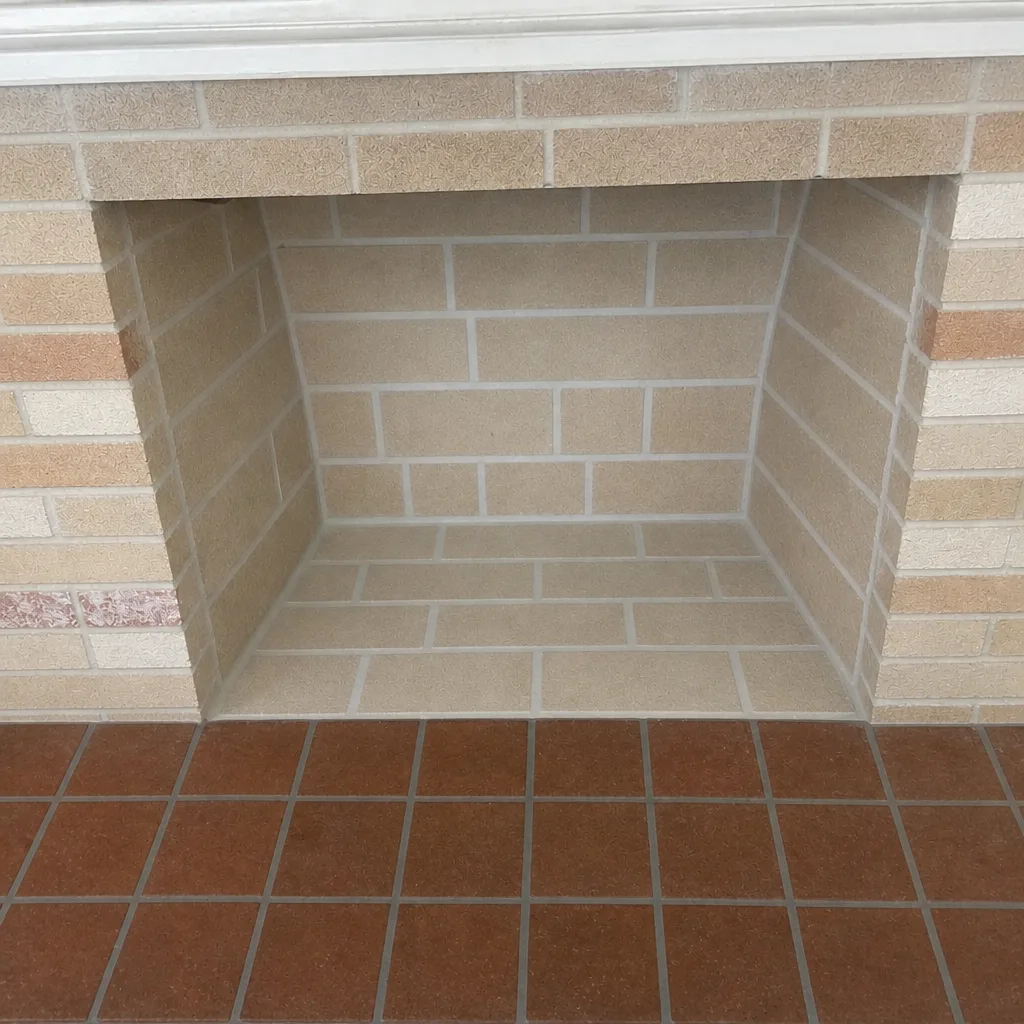
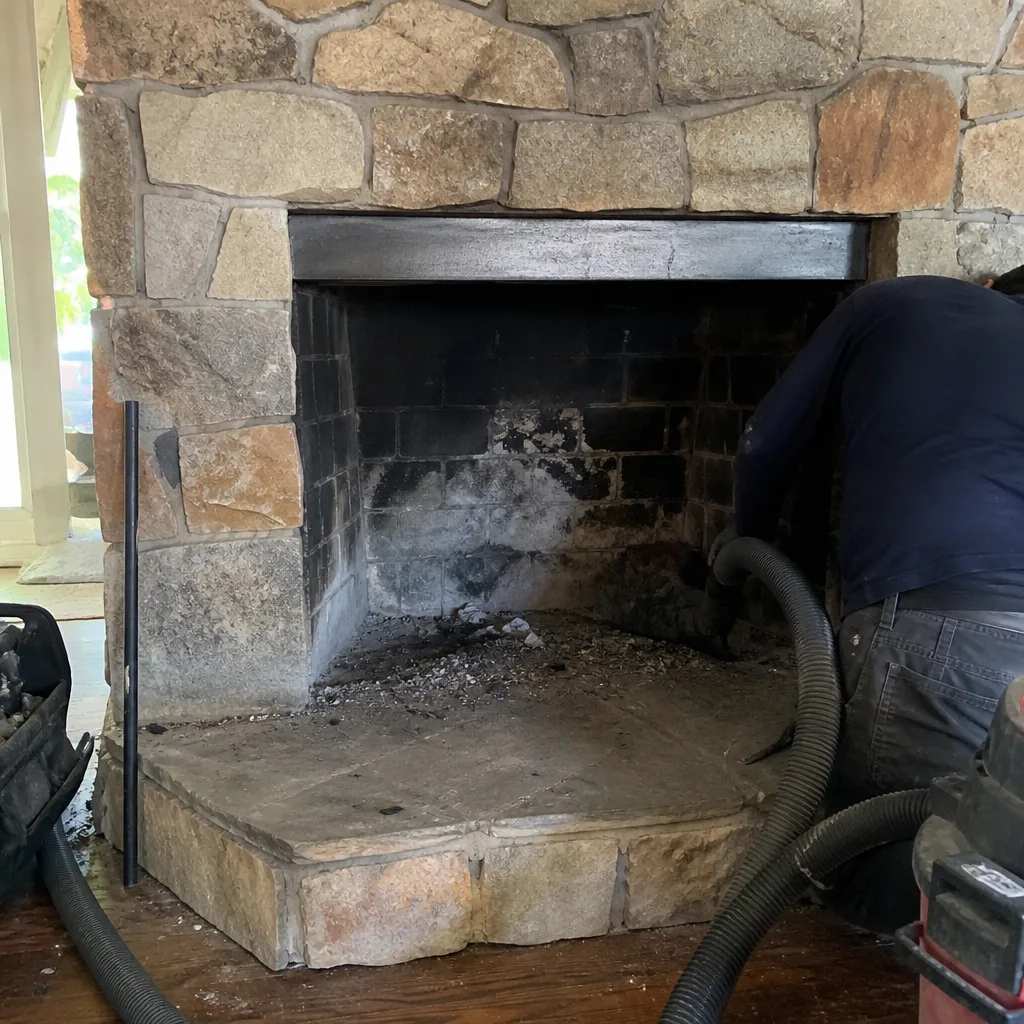
See the difference
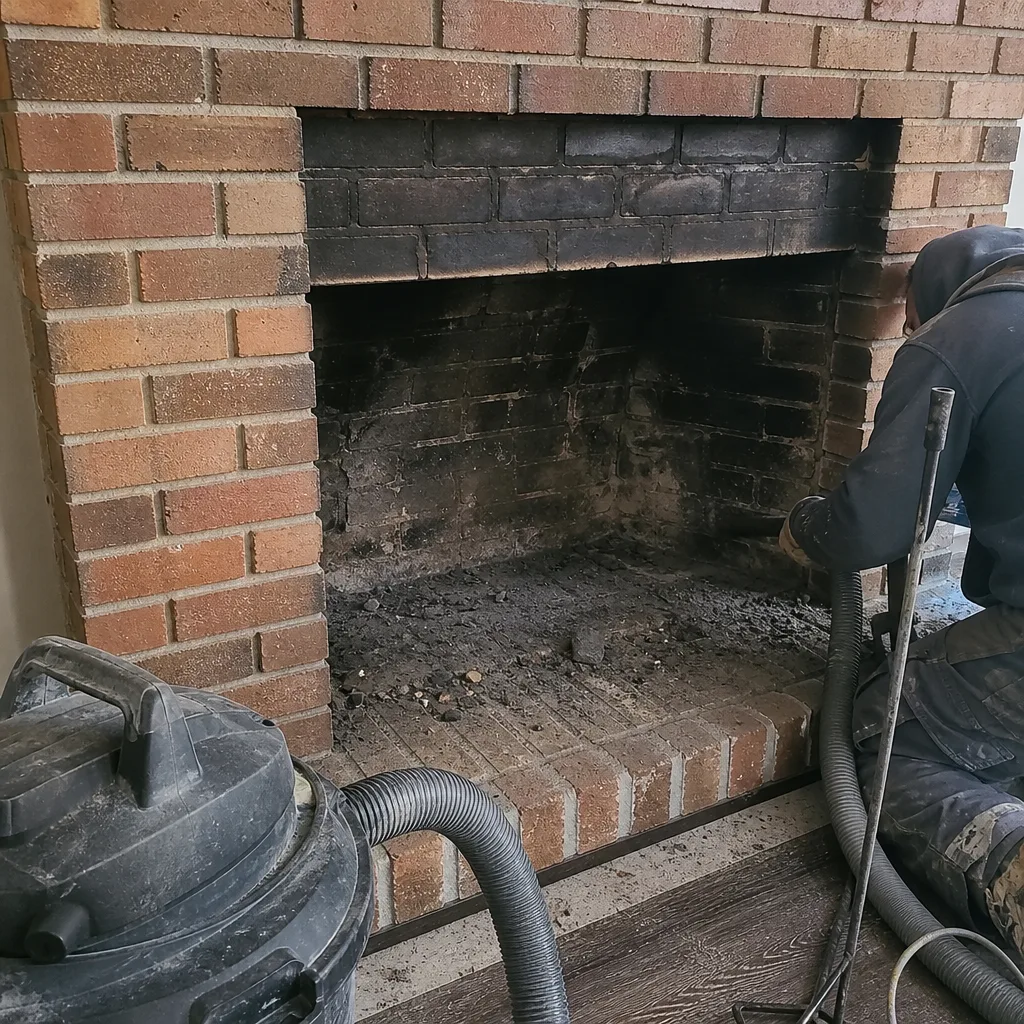 Before
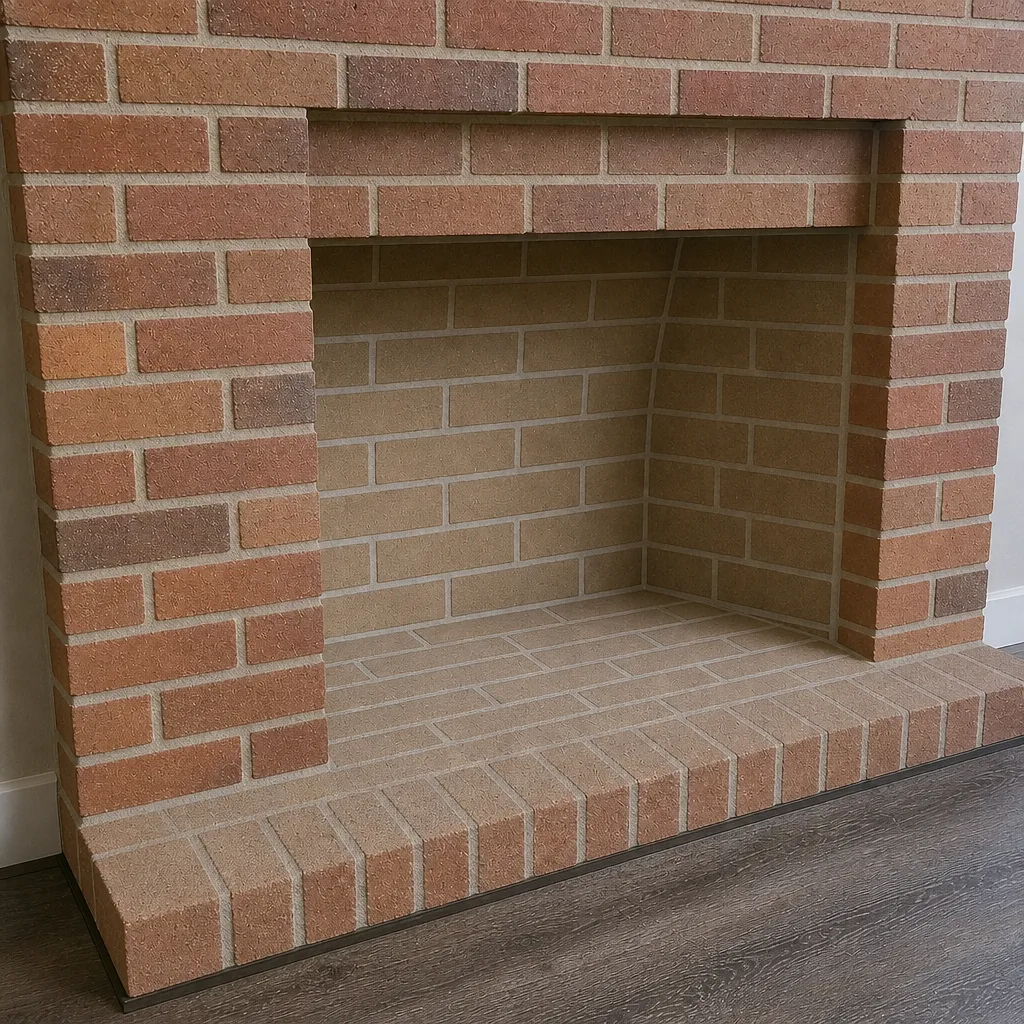 After
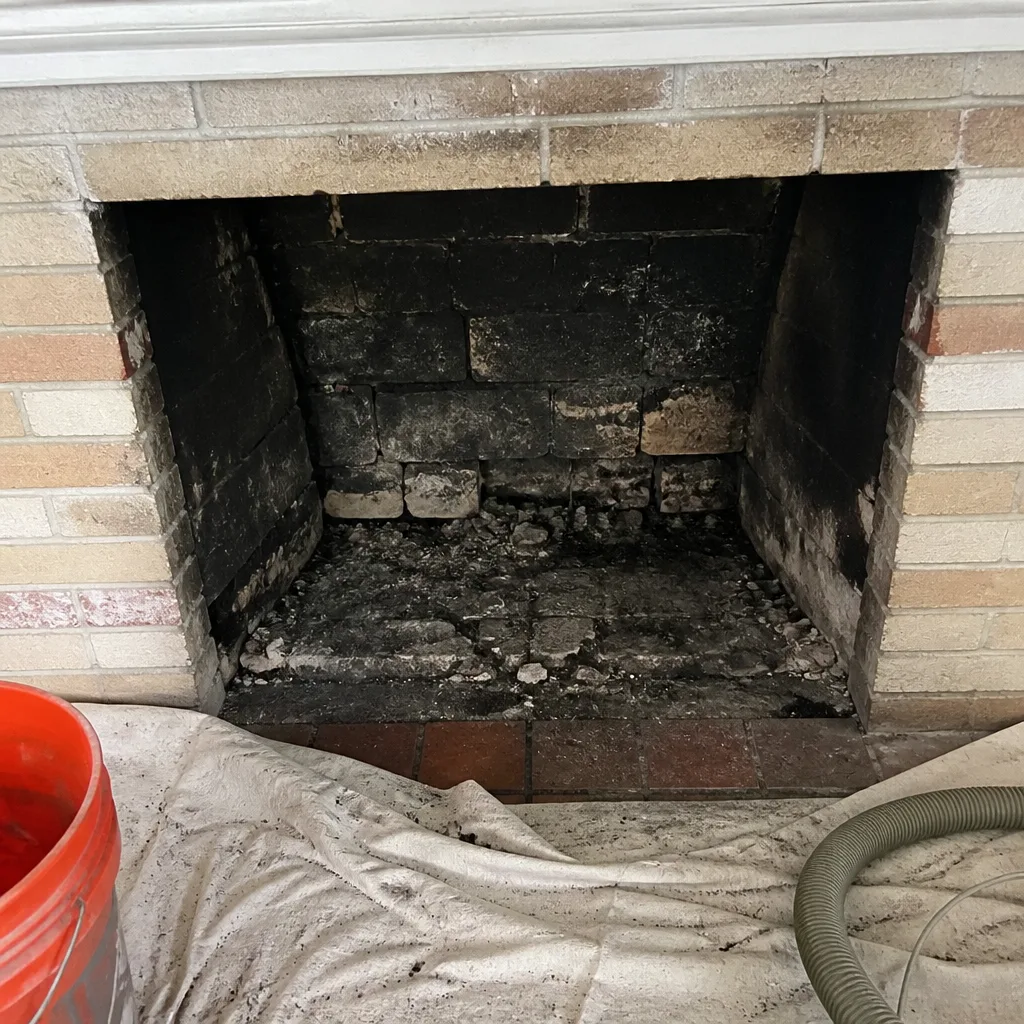 Before
 After
 Before
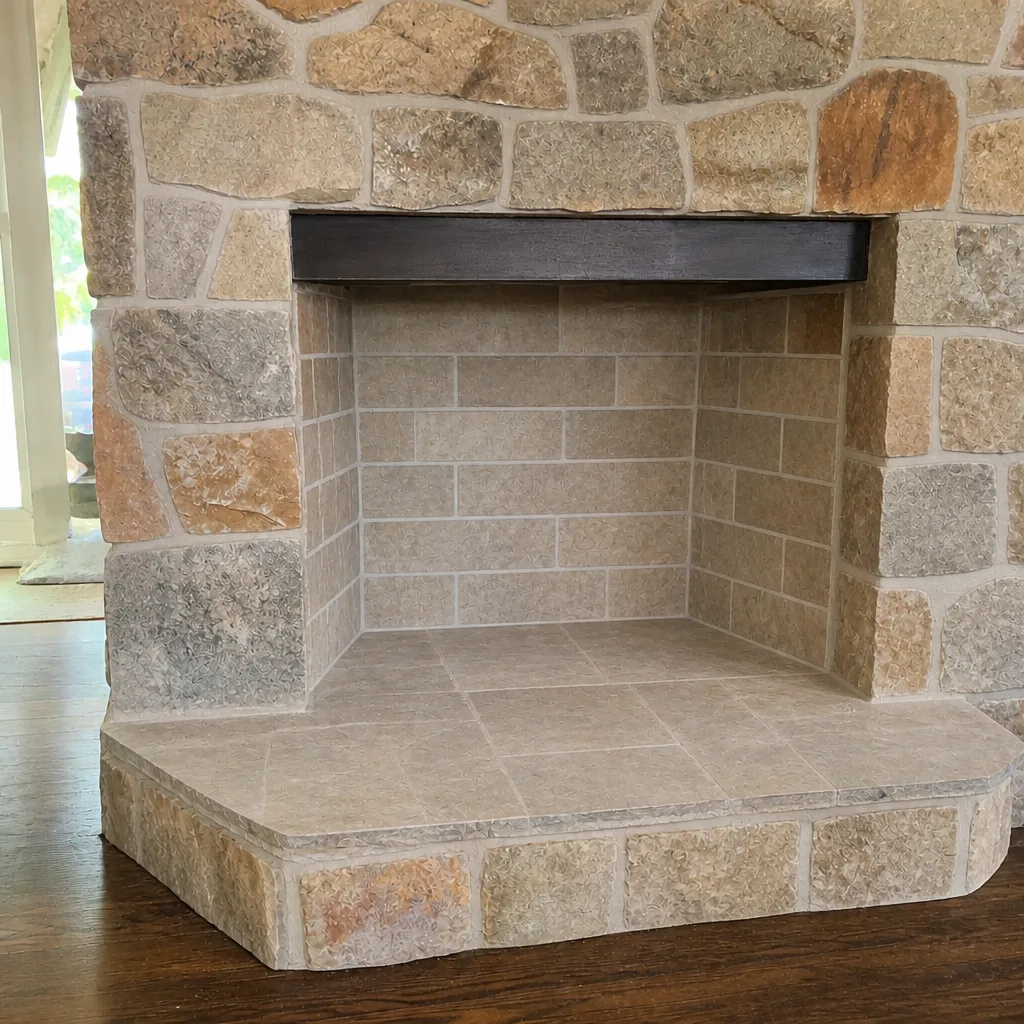 After
When to Call a Professional
Some situations move past “schedule it this season” into “call now.” If you’ve had a chimney fire, call for a Level 2 inspection before lighting again, full stop. If smoke rolls back into the room when you light a fire, if you smell smoke when nothing is burning, if you see dark staining on the chimney’s exterior or rust on the firebox, or if the cap is missing or damaged, those are signs of a problem a cleaning alone won’t fix. The same goes for any fire that struggles to draw or burns down to smoke with no heat. And if you’ve never had your chimney inspected, that’s the first thing to schedule, because the liner condition is unknown until someone looks. Provo Chimney Sweep offers free estimates in Provo, and we can work with your insurer on larger repairs. Call (866) 330-1947. We answer 24/7. Fast dispatch from 7am to 7pm, Sunday through Friday.
Frequently Asked Questions
The price is set per job by a written estimate, so it depends on what your chimney actually needs: the inspection level, the fuel type, and whether there’s glazed creosote to remove. Estimates are free, and the flat price is agreed before anything is booked. Call (866) 330-1947 for an exact quote.
Plan on an annual inspection with sweeping as needed, and lean toward a cleaning every season if you burn three or more cords or run slow overnight fires. Provo’s elevation produces more creosote per cord than lower-altitude homes, so the shorter interval is the safer one. Call (866) 330-1947 to book an inspection.
Yes. A cleaning confirms the flue is clear; only a camera inspection confirms the liner is intact. Cracks, separated joints, and glazed creosote out of brush reach don’t show up any other way. If the liner is compromised, that’s a fire hazard the cleaning didn’t fix. Call (866) 330-1947 to schedule a Level 2 inspection.
Creosote builds, and the glazed stage becomes highly flammable, which raises chimney fire risk; a flue with less draft also vents carbon monoxide less reliably. The point isn’t to scare you, it’s to note that the risk grows quietly between cleanings. If it’s been more than a season, call (866) 330-1947.
It doesn’t produce creosote, but it does need an annual inspection and cleaning of the venting and burner area. Gas combustion leaves acidic residue, and venting can corrode or block over time. It’s a different cleaning protocol from wood, and it still matters. Call (866) 330-1947 to book it.
Sometimes. HeatShield resurfacing repairs a damaged flue from the inside without a full liner replacement, which is a real cost-saving option many sweep companies don’t offer. Whether it’s the right call depends on what the camera shows; if a full reline is needed, DuraFlex flexible stainless systems are the industry standard. Call (866) 330-1947 for a free estimate.
The Bottom Line
Chimney cleaning in Provo is a system, not a single task. It starts with the right inspection level, changes with your fuel type, and depends on rotary equipment and a camera to remove glazed creosote and confirm the liner is intact. The documentation is part of the job: photos, footage, findings, and a written estimate. If a sweep can’t tell you which level they performed, didn’t run a camera, or brought only a hand brush, they’re not doing the whole job. For chimney repair or fireplace repair after the cleaning turns something up, one specialist covers diagnosis through completion. Inspect before you sweep, repair before you light. Call (866) 330-1947 for a free estimate. We answer 24/7. Fast dispatch from 7am to 7pm, Sunday through Friday.
Written by the team at Provo Chimney Sweep.