
Last updated November 25, 2026
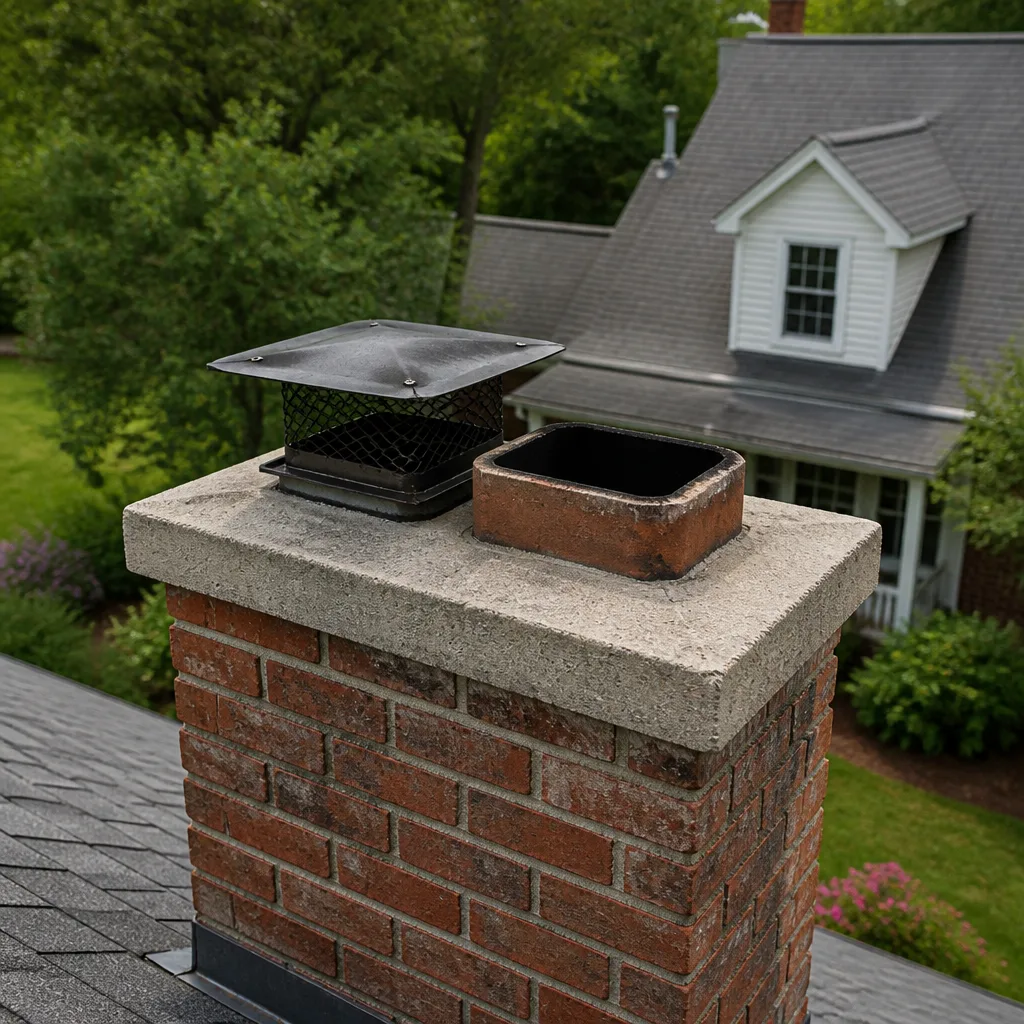 Sweep & inspection
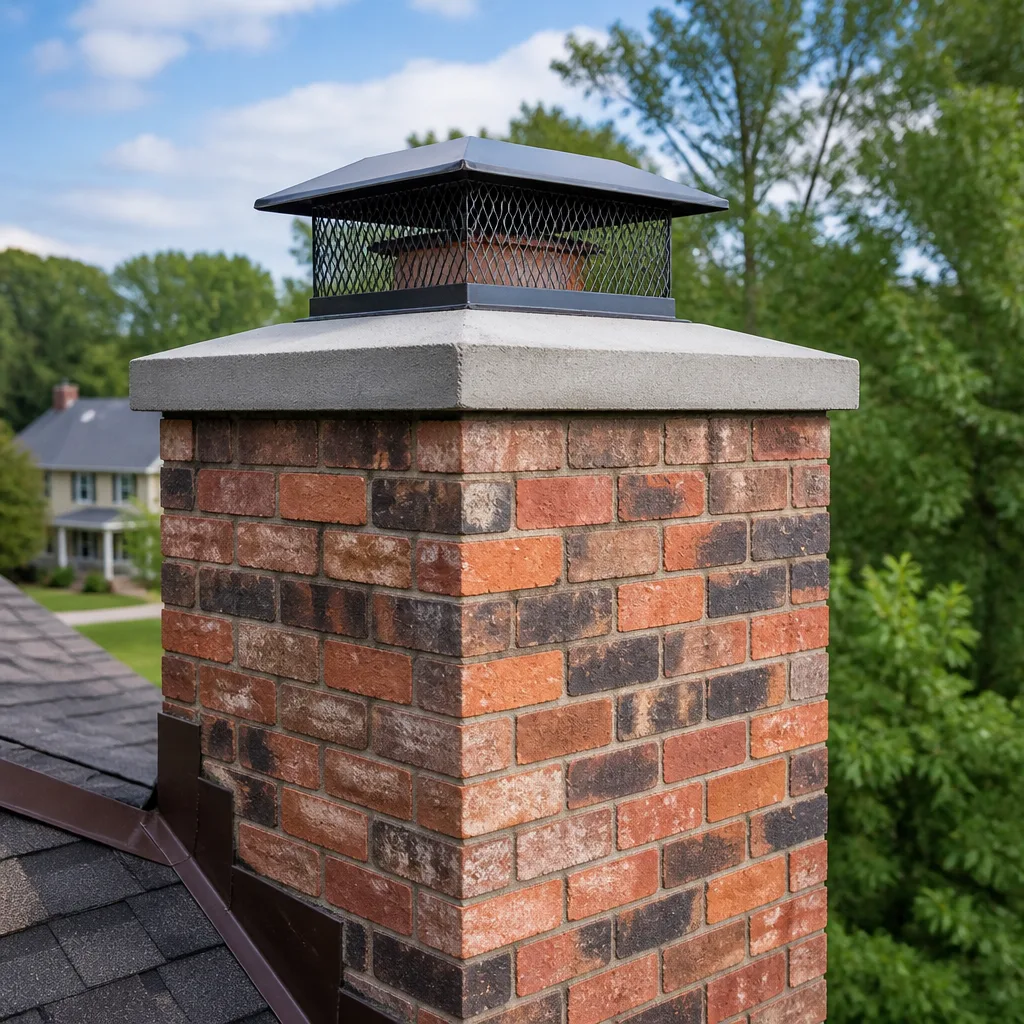 Caps & crowns
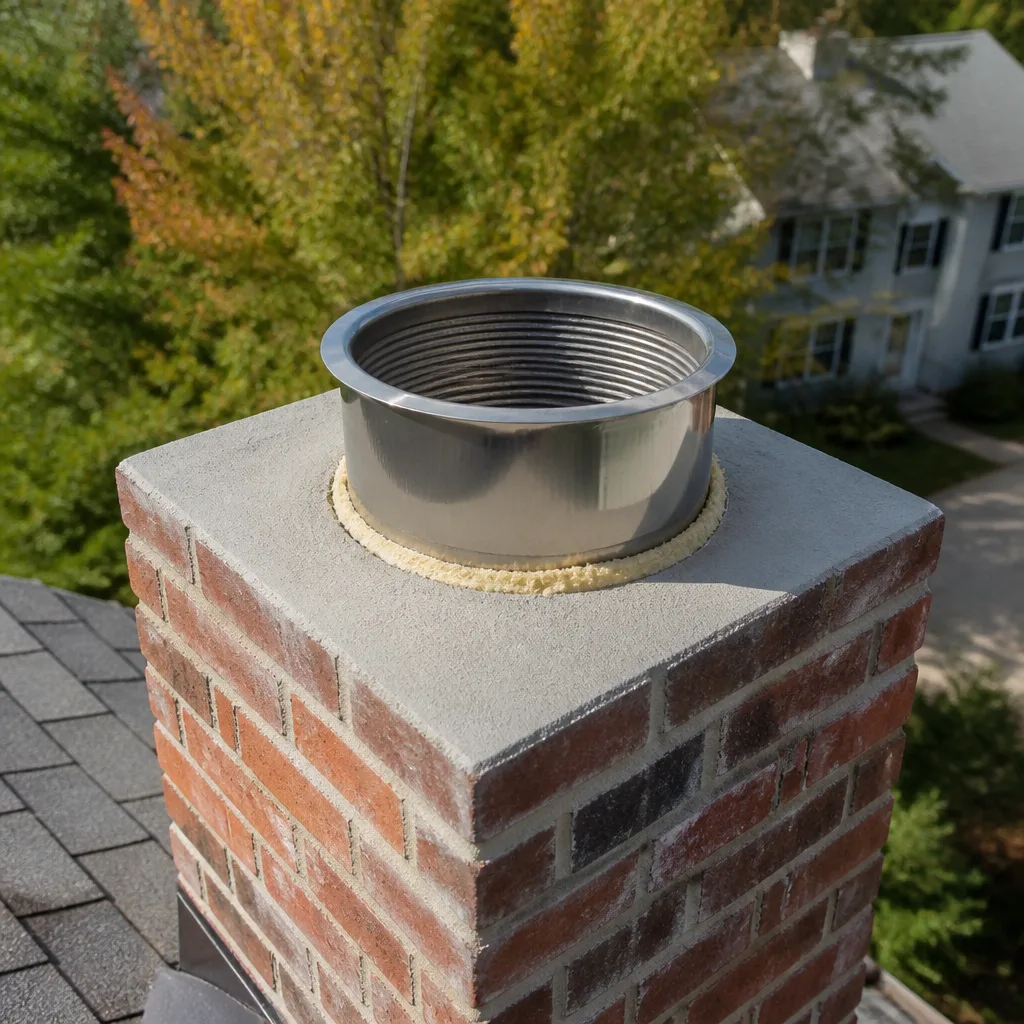 Flue relining
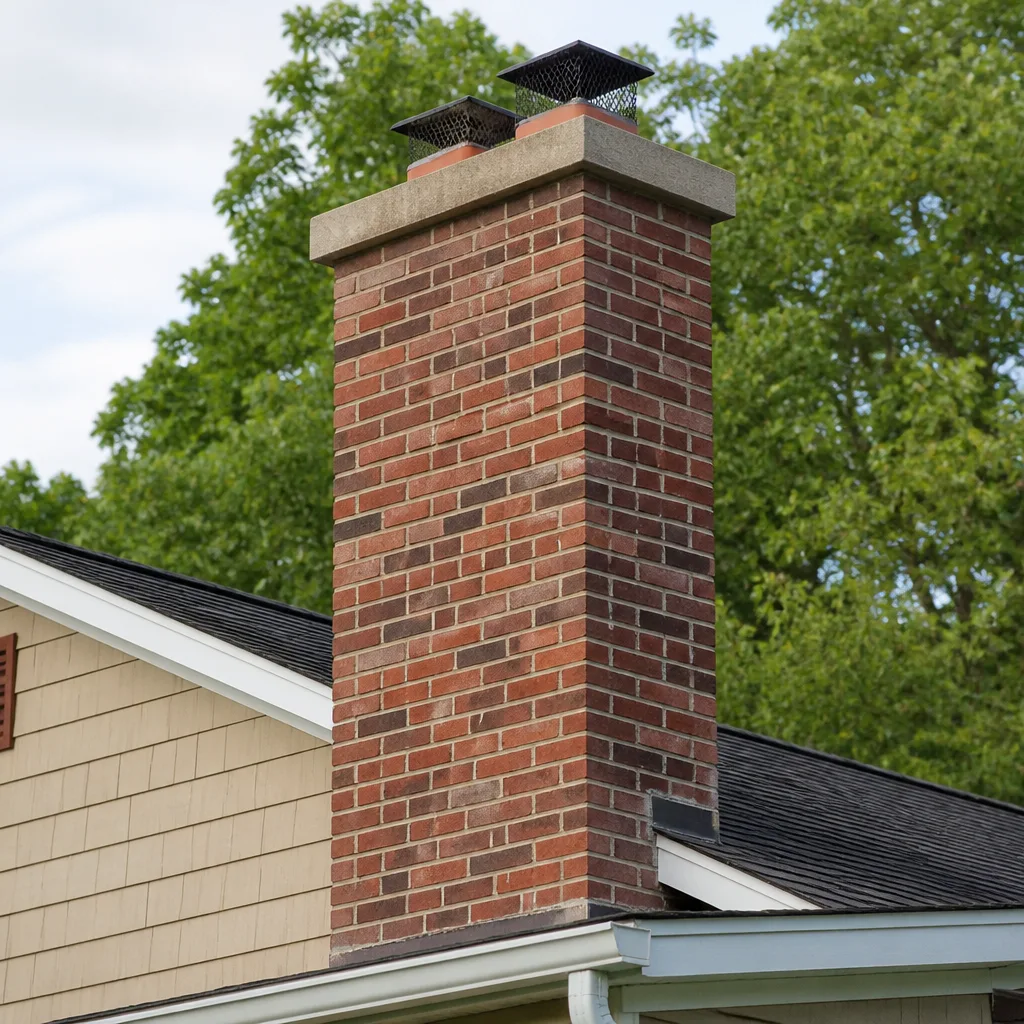 Masonry repair
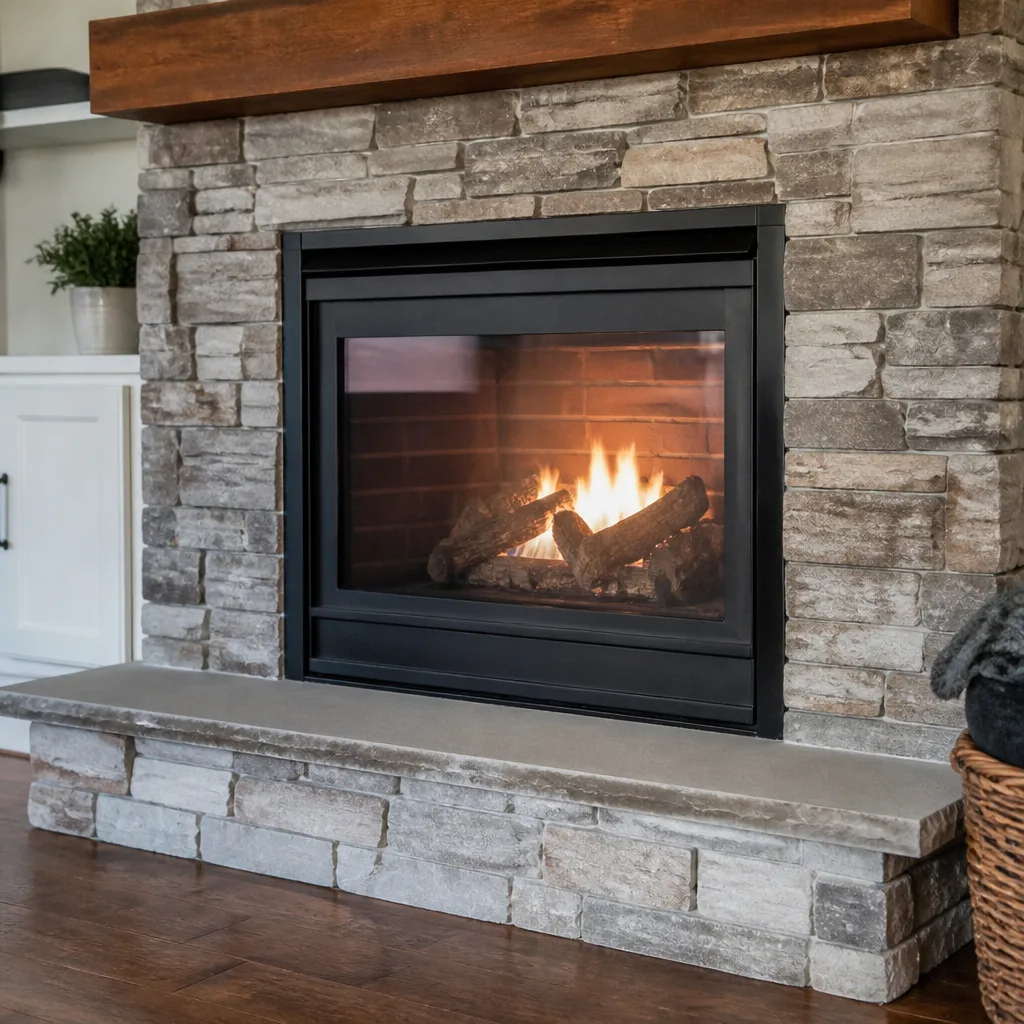 Gas fireplace service
Level 1 sweep and inspection to the NFPA 211 annual standard - flue, crown, cap, and flashing checked and photographed
Chimney sweep logs do not sweep chimneys. They loosen some creosote - which then falls where a brush and vacuum still have to collect it.
DIY vs Professional Chimney Cleaning: The Provo Homeowner’s Decision Guide
Most homeowners who ask about DIY chimney cleaning are really asking the wrong question. It isn’t whether you can physically push a brush up a flue. You can. The question is whether anything about that act tells you what’s wrong with your chimney. Hardware-store brush kits are built to knock loose soot off flue walls. They can’t touch glazed creosote, they can’t see a cracked liner, and they report nothing back to you about clearance, blockage, or moisture damage. In Provo, where wood heat runs hard through a long cold season, the gap between a swept flu and a safe flu is exactly where fires start. This guide covers what you can do yourself, what only a professional can do, and how to build a routine that’s both safe and affordable.
Quick Answer
A homeowner can safely handle light maintenance: visual checks of the firebox, keeping the cap clear of debris, and ash removal. A professional sweep is what catches what a brush can’t – glazed creosote, liner damage, cracks, and blockages – using rotary tools and a video inspection. If your chimney has had a fire, burned unseasoned wood, or sat unused for more than two seasons, a professional evaluation isn’t optional.
Styles & brands we work with
- Sweep & inspection
- Caps & crowns
- Flue relining
- Masonry repair
- Gas fireplace service
Table of Contents
- The Real Question Isn’t Skill – It’s Diagnosis
- What You Can Safely Do Yourself
- What Professional Cleaning and Inspection Reveal
- Liability and Insurance: Why “I Cleaned It Myself” Matters
- When DIY Is Not an Option
- How to Use DIY Between Professional Cleanings
- What Chimney Cleaning Typically Costs in Provo
- Common Mistakes to Avoid
The Real Question Isn’t Skill – It’s Diagnosis
Here’s what most DIY-focused articles leave out: cleaning a chimney is a physical task, but evaluating it is a diagnostic one. Those are different jobs, and only one of them gets better with practice and tools. A homeowner with a properly sized brush and a ladder can push soot down a flue. What that homeowner cannot do is tell you whether the flue liner behind the soot is sound, whether the creosote coating is the light, flaky kind or the hardened, glazed kind that ignites, whether the clearances to combustibles are correct, or whether an animal nest or fallen cap has closed off the flue.
That distinction matters in Provo more than in most places. Wood-burning fireplaces get a lot of use in this valley through the heating months, and the high-desert swing between hot summer days and cold nights means flues move and mortar joints flex. A chimney that sweeps clean on the surface can still hide a hairline crack in the liner or a crumbling crown letting water in. In our experience, the calls that begin as “I just need a sweep” are often the ones where the sweep reveals the real problem.
So before you decide how you’re going to clean, decide what you actually need to know. Ask yourself three questions:
- When was the last time a professional looked at the inside of this flue, not just the firebox?
- Have I seen smoke backing into the room, staining on the masonry, or a missing or damaged cap?
- How has this chimney been burning – seasoned hardwood, or a mix of whatever was available?
If you can’t answer the second question with confidence, a professional inspection is the honest starting point. The full scope of what our technicians handle is on our Provo Chimney Sweep page, but the short version is this: we inspect before we sweep, and we don’t sweep without telling you what we found.
What You Can Safely Do Yourself
We’re not going to tell you everything about your chimney requires a professional. There’s real, useful maintenance a careful homeowner can own, and doing it well reduces how often you need us out. Here’s the honest scope of what’s safe to handle and where each task stops.
- Visual inspection of the firebox. With the fire fully out and cold, look inside for cracked firebrick, crumbling mortar joints, or loose metalwork. Note anything that looks newer than the rest. This is observation only – you’re marking what needs a pro’s eyes, not repairing it.
- Cap and crown observation from the roof. Look at whether the chimney cap is still seated, whether bird screens are intact, and whether the crown has visible cracks or missing chunks. Do this only if you’re comfortable on a ladder and the roof is dry. Never climb a steep or wet roof for this – that risk isn’t worth it, and we’d rather you call.
- Ash removal. Once the firebox is cold, sweep ash from the firebox floor and the ash pit (if you have one). A metal bucket and a sealed lid, stored well away from anything combustible, is the safe way. Dump ash only when it’s fully cold – ash stays hot for a surprising amount of time from the inside.
- Damper operation check. With the fire cold, open and close the damper to confirm it moves freely and seals. A damper that sticks open wastes heat; one that won’t open creates a backdraft problem.
- Keeping the area clear. Store firewood away from the chimney and keep the hearth clear of combustibles. Simple, but it’s the kind of housekeeping that prevents real problems.
Notice what’s missing from that list: any flue cleaning. That’s not an oversight. Running a brush kit through a flue is the task homeowners most often improvise, and it’s the one that gives a false sense of security. We’ll explain why next. The chimney sweep service exists for exactly the work these steps can’t cover.
What Professional Cleaning and Inspection Reveal
Professional chimney cleaning beats a homeowner brush in exactly one critical way: the tools tell you about the chimney. A rotary cleaning system scours the flue walls under controlled speed and tension, which is the only way to remove Stage 2 and Stage 3 creosote – the glazed, hardened deposits a hand brush just skates over. More important than the cleaning itself is the camera inspection that follows. A video scope run up the flue shows the condition of the liner from the inside, the state of the flue joints, and anything blocking or narrowing the flue.
In our experience, the things that turn up on a Provo-area inspection that a brush-only cleaning would never catch include:
- Glazed creosote that looks fine from the firebox but is a fire risk higher in the flue.
- Liner cracks and gaps that let creosote and heat reach surrounding structure.
- Crumbling or separated flue tile joints, common as a chimney ages through seasonal temperature swings.
- Animal nests, leaves, and cap debris blocking or narrowing the flue.
- Water intrusion from a failing crown or a missing cap, showing up as staining, efflorescence, or rusted damper hardware.
The inspection is what turns a cleaning into information. This is also why a proper sweep isn’t just “run the brush up and done.” It’s a Level I visual inspection, and where the situation calls for it, a Level II inspection with the camera to see inside the flue. When something does turn up – a damaged cap, a compromised liner, a cracked crown – the fix is handled by specialists. Repairing a crown or cap using professional-grade components from a supplier like Olympia Chimney or Famco is a different job from sweeping, and we handle it as part of the same visit where it makes sense.
Liability and Insurance: Why “I Cleaned It Myself” Matters
Here’s a piece of the DIY question that rarely gets discussed in homeowner forums: what happens after a fire or a carbon monoxide event if you self-certified the chimney as clean. Most homeowners’ policies don’t ask for a sweep receipt as a condition of coverage, but they do ask whether you took reasonable care of the home. If a chimney fire or a CO incident traces back to a flue that hadn’t been professionally evaluated in years, that’s a question your insurer can ask, and a question you’ll have to answer honestly. It won’t necessarily void coverage, but it can complicate a claim.
A professional sweep and inspection, by contrast, leaves a record. You get a written assessment of the flue’s condition and a recommendation list. That record is useful for three things:
- It documents that you did the responsible thing as a homeowner.
- It gives you a baseline to compare future inspections against.
- It gives your insurer, if it ever gets involved, a clean paper trail.
That’s not a scare tactic – it’s just how insurance works. Documentation matters, and a sweep report is documentation. If a chimney service ever tells you that “self-cleaning is fine because you know your own house,” treat that as a sign the sweep isn’t taking your liability seriously.
When DIY Is Not an Option
Three specific situations push the decision from “you can handle it” to “a professional needs to look at this.” These aren’t judgment calls; they’re hard lines.
- You’ve burned unseasoned or mixed wood. Unseasoned wood produces far more creosote than dry, seasoned hardwood. If a chunk of your firewood over the winter was “seasoned enough,” your flue is likely coated more heavily than you think, and a brush won’t remove it.
- You’ve had a chimney fire. Even a small one. A chimney fire can crack a clay tile liner in ways that only show up on camera inspection. If you heard roaring, saw glowing or dark staining on the outside, or found puffed creosote in the flue afterward, you need a professional assessment before you light another fire. This is a safety line, not a sales pitch.
- The chimney went unused for more than two seasons. A dormant chimney collects debris, animal activity, and moisture damage. A quick sweep alone won’t tell you whether a bird’s nest is jammed above the damper or whether the liner’s been damaged by freeze-and-thaw over the off-season.
If any of these apply, don’t run a brush through it and hope for the best. Call us. Our technicians have up to 10 years of experience, and the inspections we run catch exactly the conditions a DIY brush leaves hidden. The right liner for your flue installed correctly the first time is worth more than any amount of homeowner effort upstream of that.
How to Use DIY Between Professional Cleanings
The most sustainable model for a cost-conscious Provo homeowner isn’t DIY instead of pro cleaning. It’s DIY between pro cleanings. Run the light maintenance tasks above on a regular schedule, and schedule a professional sweep and inspection on the frequency that matches how you actually use your fireplace. A simple, workable rhythm:
- Before each heating season – a professional sweep and inspection, especially if you burn regularly.
- Monthly during the burn season – a quick look inside the firebox for loose brick, stained grout, or unusual creosote buildup.
- After any unusual event – a heavy burn of green wood, a chimney fire, or a windstorm that moved the cap.
That’s the whole plan. It’s less expensive than you’d guess, and it keeps the diagnostic value of the professional visit intact. The homeowner who runs this routine seldom has to deal with the harder repairs – the liner replacements, the crown rebuilds – because the small issues get caught while they’re still small.
And when a repair does come up, having one company handle diagnosis through completion is worth something. We carry the professional-grade parts ourselves and stand behind what we install, so there’s no hand-off. When a cap needs to be replaced or a crown needs a rebuild, we source components from Famco or another supplier we trust, and the same team that assessed the chimney does the work.
What Chimney Cleaning Typically Costs in Provo
Chimney costs depend on what the sweep finds, so any honest answer is a range rather than a single price. Here’s a rough shape of what Provo homeowners typically see, with the caveat that the written estimate sets the final price for your job. These are estimates, not exact quotes.
- Standard sweep and Level I visual inspection: typical range for a straightforward flue cleaning with a basic visual assessment.
- Level II inspection with camera: higher than a standard sweep because the scope work adds time and reveals more.
- Creosote removal beyond light soot: priced per the extent of the deposits, since rotary work takes longer on hardened creosote.
- Cap replacement: varies by cap style and how well the flue top is set up to receive it.
- Crown repair or rebuild: a distinct job from sweeping, priced on the condition of the crown and the masonry around it.
What we won’t do is quote you a liner or masonry project over the phone. That’s the DIY thread we hear often enough: a homeowner was told they “probably need $4,000 of work” before anyone looked inside the flue. It’s unnecessary work in a lot of those cases. Nothing gets recommended here without camera evidence you can see for yourself, and if the work can safely wait until next season, we tell you that. Our chimney repair page covers the repair side of this in more detail.
When a liner does need work, there are options. A resurfacing solution like the HeatShield product line can address some damaged liners without full replacement, which saves real money over tearing out and relining. And when a full reline is the right call, a stainless system like DuraFlex is the standard choice. Because the recommendation always follows what the camera shows, you don’t have to guess whether a liner replacement is really needed.
Common Mistakes to Avoid
- Running a brush kit and calling it clean. A homeowner brush removes dust and light soot. It can’t touch glazed creosote, and the chimney can still be a fire risk after you’ve run it. Diagnosis is the point, not the brush.
- Self-certifying with no inspection. Deciding the chimney is safe because the fire drew fine last night misses the liner damage and clearance issues only an inspection reveals.
- Ignoring a small chimney fire. A chimney fire is a fire. If you heard the roar or saw the glow, get the flue inspected before the next fire, every time.
- Skipping the cap because it “still looks fine.” Caps get moved by wind, snow load, and birds. Losing a cap is how water gets into the flue and how animals find their way in.
- Burning unseasoned wood to save money. Cheaper firewood that hisses and smokes creates creosote, and creosote is what makes a chimney dangerous. The savings come back as repair costs later.
- Trying to sweep a chimney with an active firebox or a hot flue. Give the firebox a full day to cool before you touch anything. Anyone sweeping a live chimney is creating a hazard, not solving one.
- Assuming a roofer or handyman can handle chimney work. Chimney repair, liner work, and crown rebuilds are their own trade. A generalist who “does chimneys too” is usually the one who gets to the liner replacement part and hands it off. Ours don’t hand it off.
One more thing on the practice side: using a certified chimney sweep isn’t just about who holds the brush. The stove and fireplace systems we work with – and the fireplace repair work that lives inside them – are the kind of thing that goes wrong when it’s treated as a sideline.
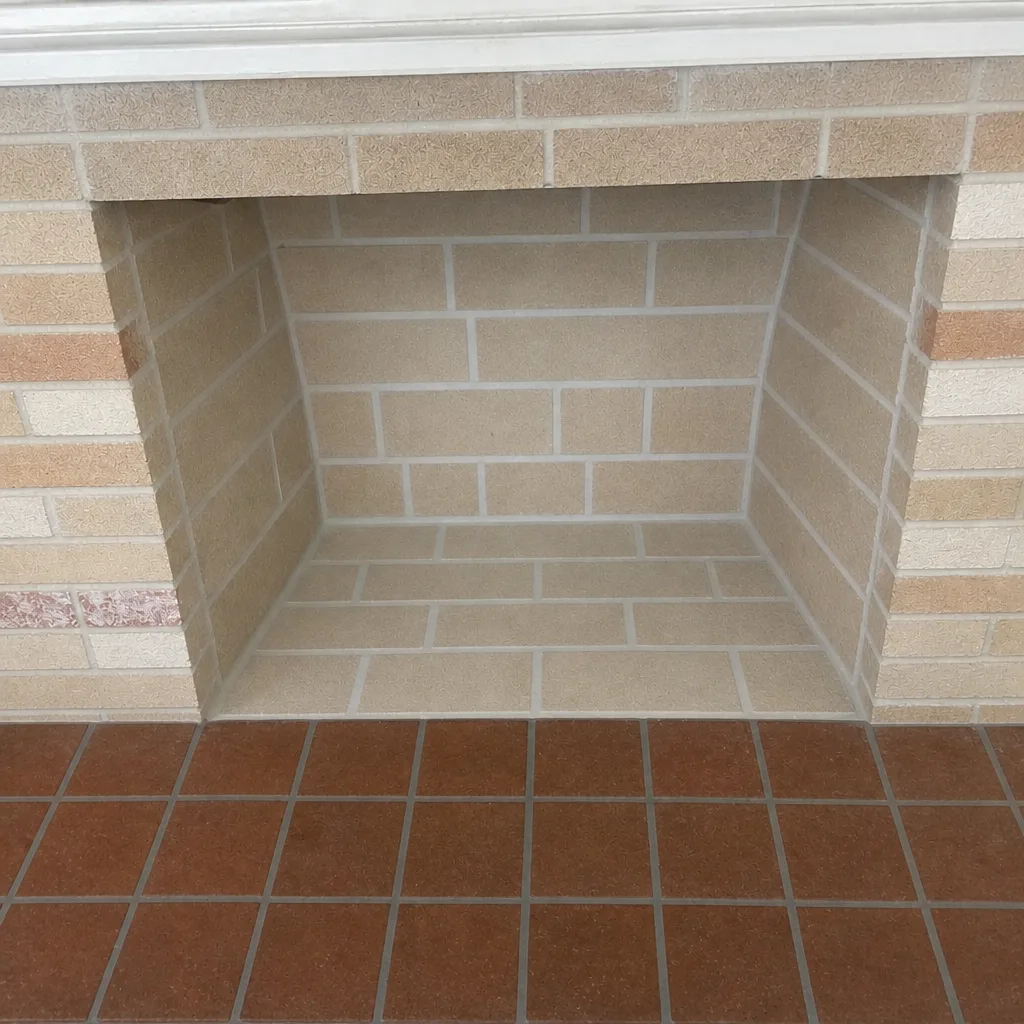
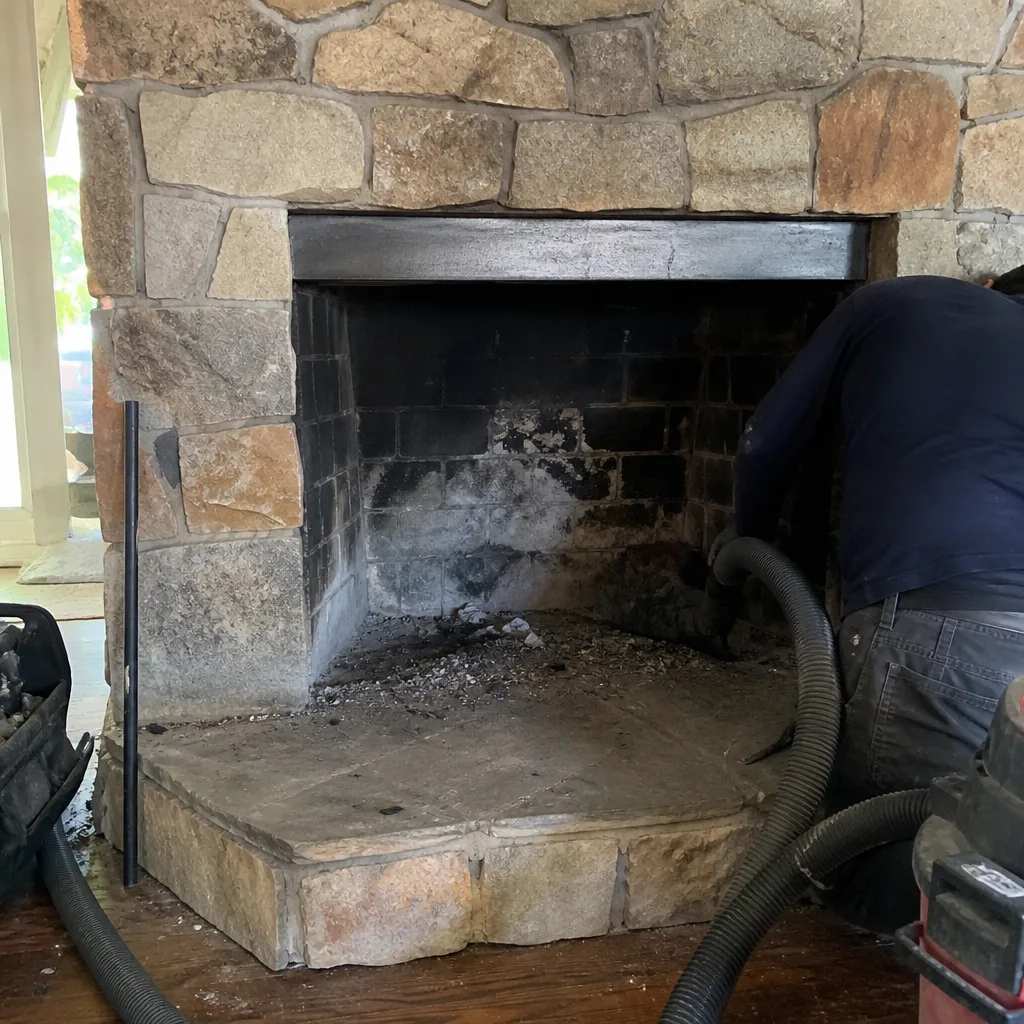
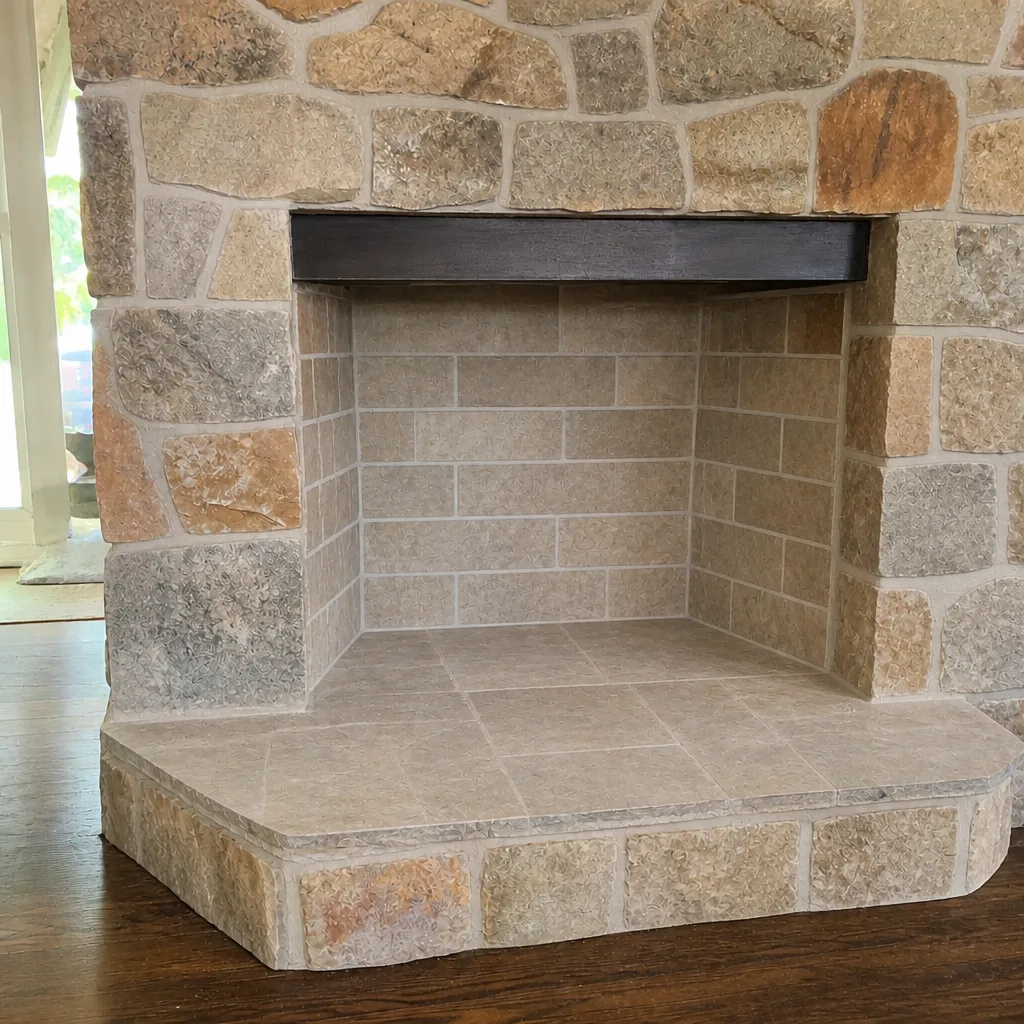
See the difference
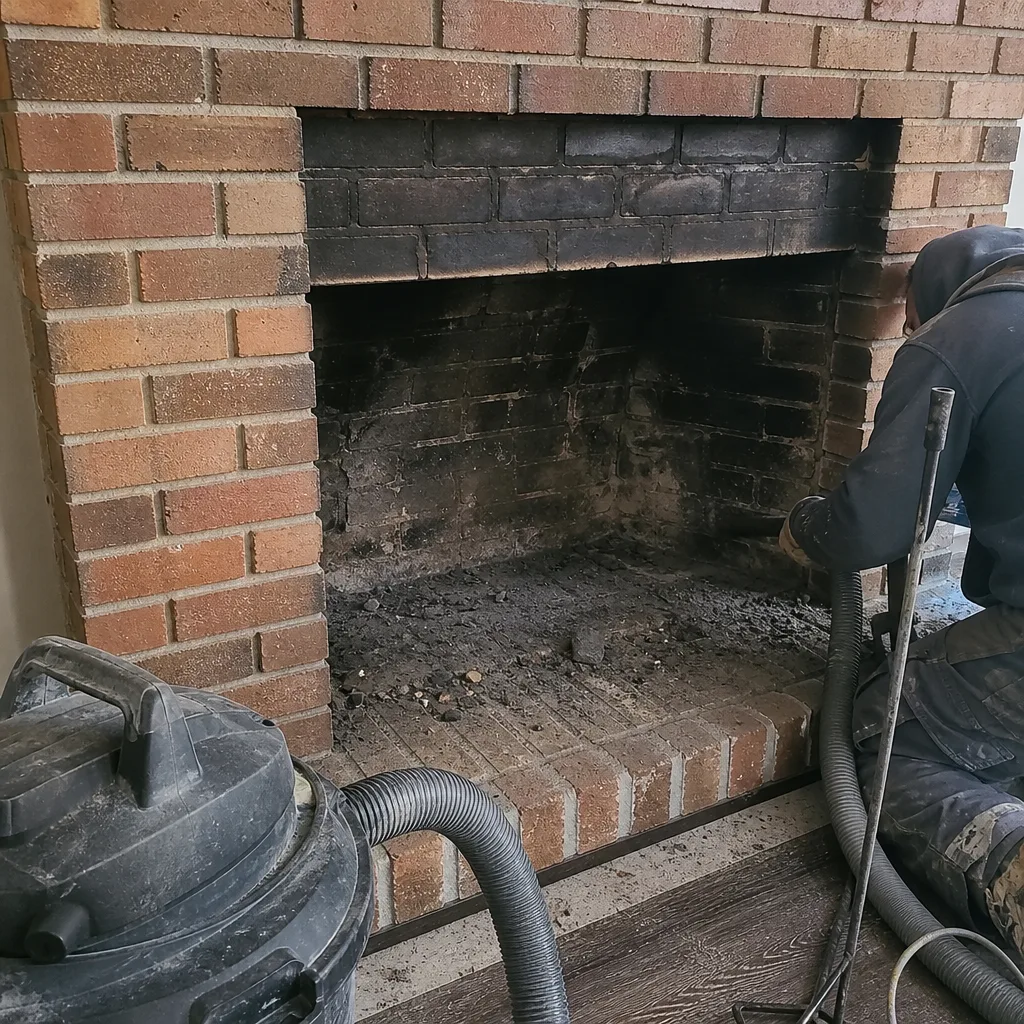 Before
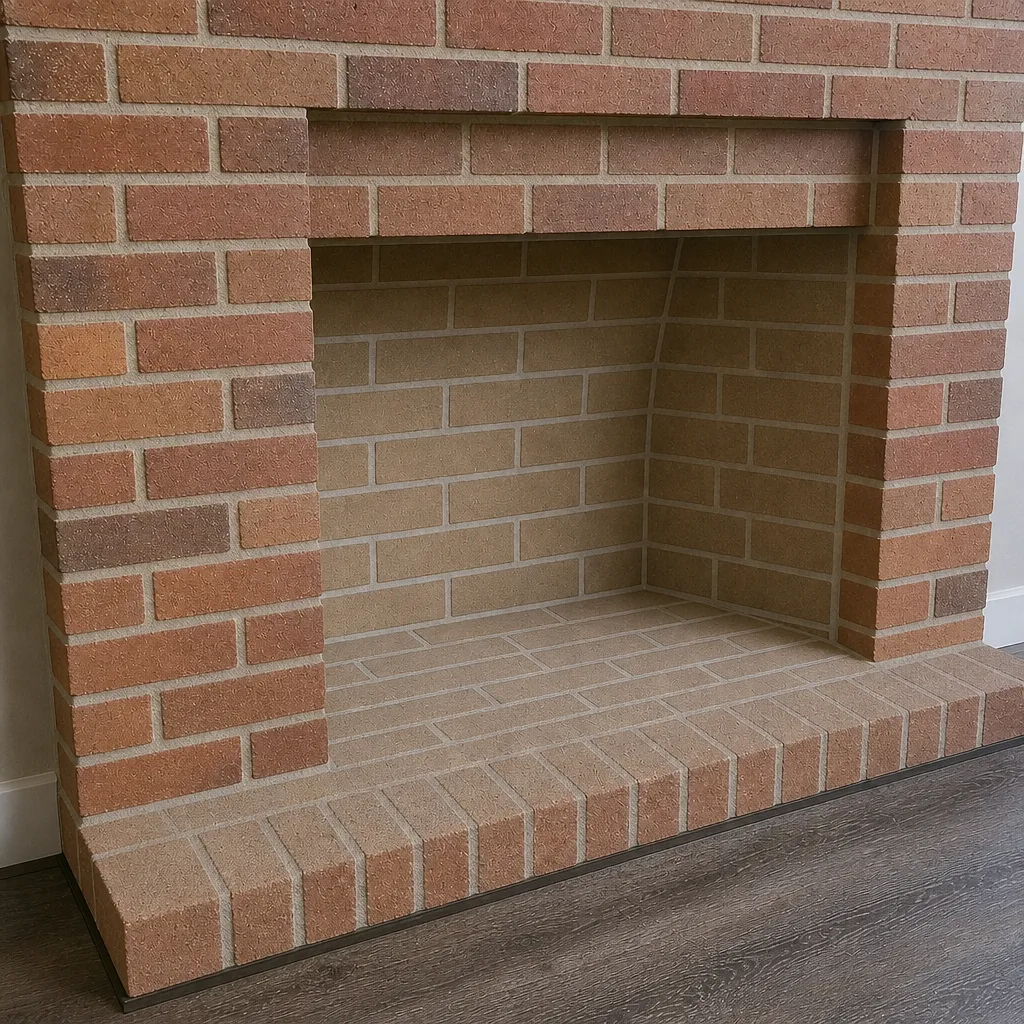 After
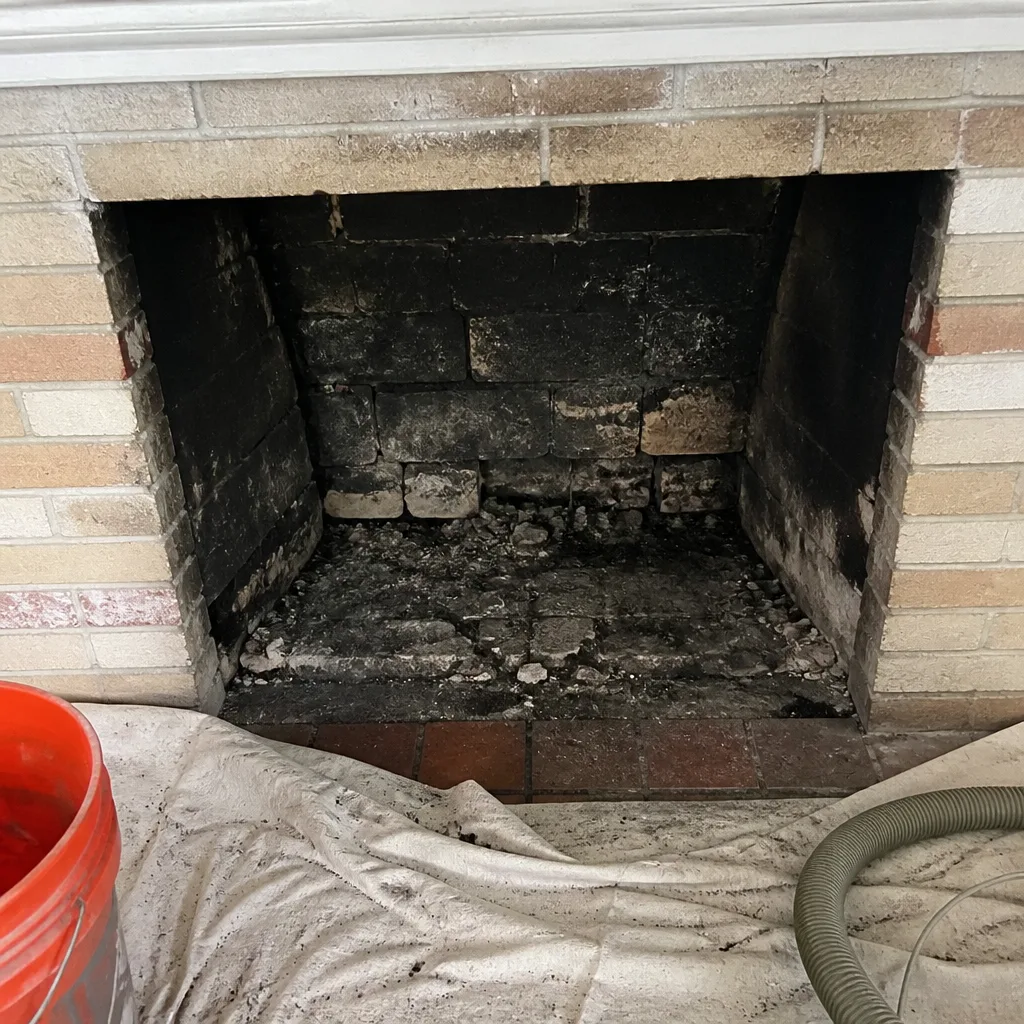 Before
 After
 Before
 After
When to Call a Professional
Call a professional when any of the following is true: you’ve had a chimney fire, real or suspected; your chimney went unused for two or more seasons; you’ve burned a season’s worth of unseasoned wood without a professional look; you’re seeing backdraft, staining, or a missing or damaged cap; or you simply want to know the actual condition of your flue before another winter. In any of those cases, the sweep is the starting point for a diagnostic answer you can act on. Provo Chimney Sweep offers free estimates in Provo – call (866) 330-1947. We answer 24/7. Fast dispatch from 7am to 7pm, Sunday through Friday. Our technicians have up to 10 years of experience, and every job comes back with a camera inspection and a photo report you can look at yourself.
Frequently Asked Questions
A standard sweep with a Level I visual inspection in Provo typically lands in a range, with camera inspections and heavier creosote work running higher because they take more time and reveal more. The written estimate sets the final price, and you get it before any work begins. Call (866) 330-1947 for an exact quote – estimates are free.
You need a new liner when a camera inspection shows your existing liner is cracked, separated, or too damaged to continue protecting the structure behind it – and you should be able to see that evidence yourself. If the sweep can’t show you what’s wrong with a photo or video scope, don’t accept the recommendation. Call (866) 330-1947 to schedule an inspection with a photo report you can review beforehand.
For a home burning wood regularly through the heating season in Provo, once a year before the season starts is a reasonable baseline, with a professional inspection each time. Homes burning less often can go longer between cleanings, but should still have the flue inspected periodically to catch problems before they become repairs. Call (866) 330-1947 to book a sweep and inspection.
A brush kit removes light soot but can’t remove glazed creosote and can’t tell you whether the liner is sound or the crown is leaking. You can run one through your flue and still have a dangerous chimney. Call (866) 330-1947 so a professional sweep can show you what your chimney actually needs.
Creosote builds up in the flue, and once it hardens into the glazed stage, it’s a fire hazard that a brush alone won’t remove. The bigger risk is the slow damage a skip hides – a cracked liner, a failing crown, or a blockage that appears over a winter without warning. Call (866) 330-1947 to schedule an inspection before the next burn season.
Most policies don’t require a sweep receipt as a condition of coverage, but a documented professional inspection and sweep report is the clearest evidence you took reasonable care of the home. If a claim ever traces to the chimney, having that record makes the conversation easier. Call (866) 330-1947 for an inspection with a written report.
The Bottom Line
DIY chimney cleaning answers the wrong question. You can physically brush a flue, but what a brush can’t do is diagnose what the cleaning reveals – the creosote stage, the liner condition, the crown, the clearances, the clearance to combustibles around the flue. That diagnostic piece is where the safety value sits, and it’s the part Provo homeowners can’t replicate with a hardware-store kit. Handle the light maintenance yourself, get a professional sweep and inspection on a regular rhythm, and call us the moment a chimney fire, dormant flue, or warning sign shows up. Our technicians have up to 10 years of experience and every visit includes camera evidence you can see. We answer 24/7. Fast dispatch from 7am to 7pm, Sunday through Friday.
Contact Provo Chimney Sweep at (866) 330-1947 for a free estimate on a sweep, inspection, or any repair your chimney needs. One company handles the diagnosis, the repair, and the parts – professional-grade components from suppliers like HeatShield, DuraFlex, Gelco, and Copperfield. We carry it, we install it, we stand behind it.
Written by the team at Provo Chimney Sweep.