
Last updated November 25, 2026
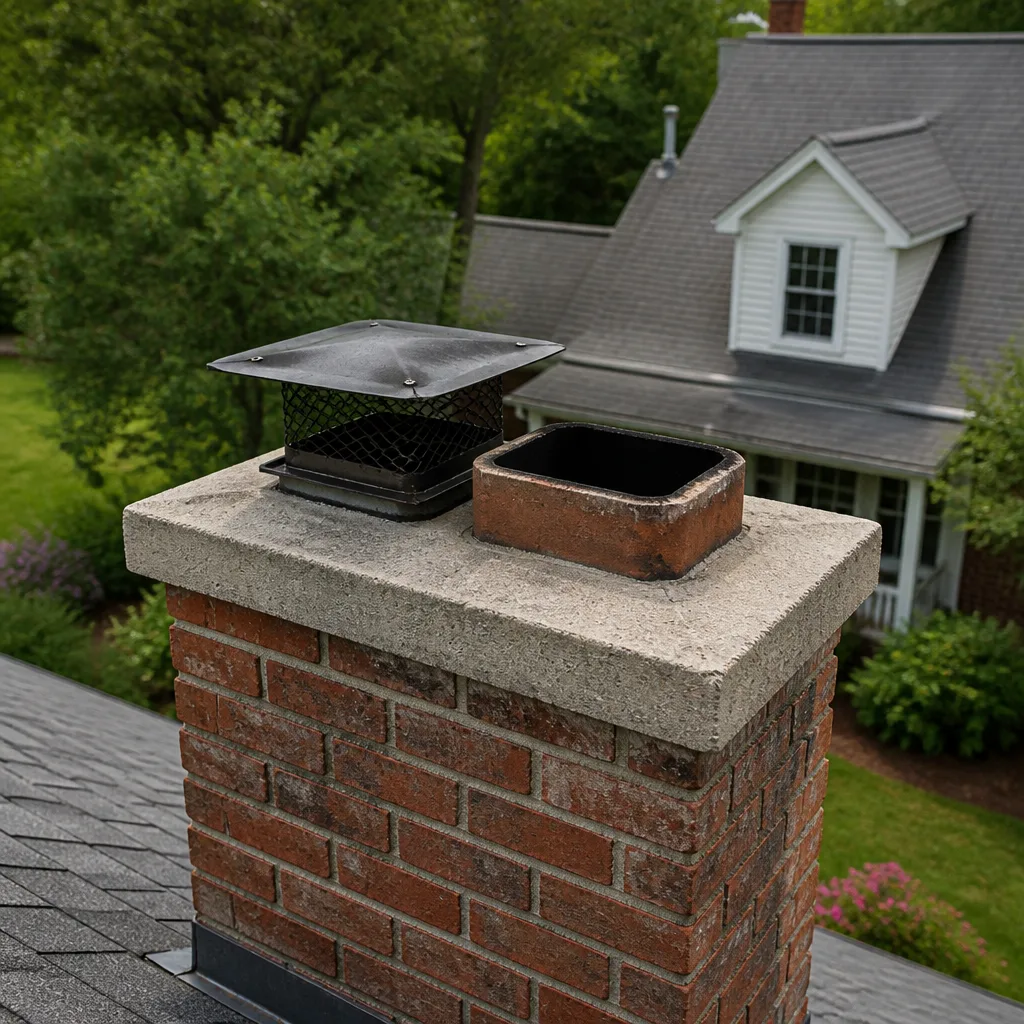 Sweep & inspection
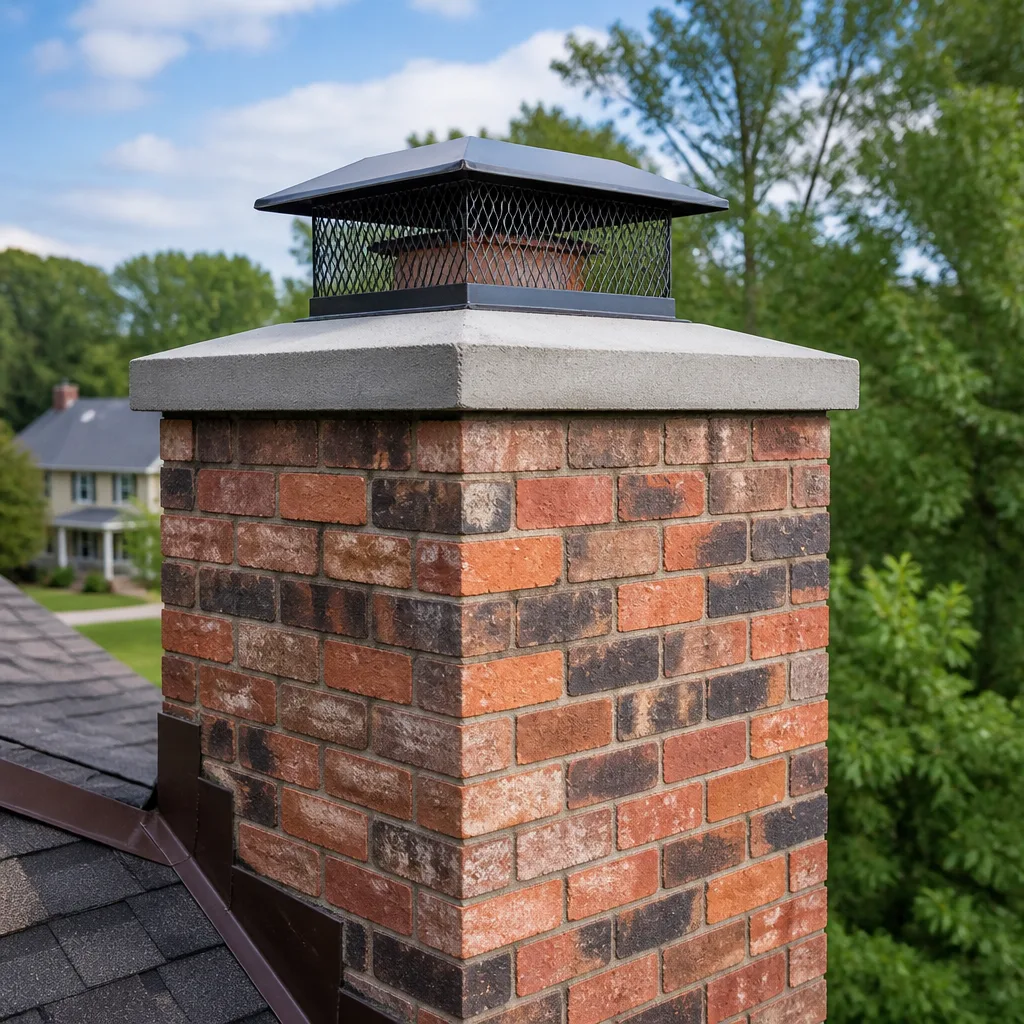 Caps & crowns
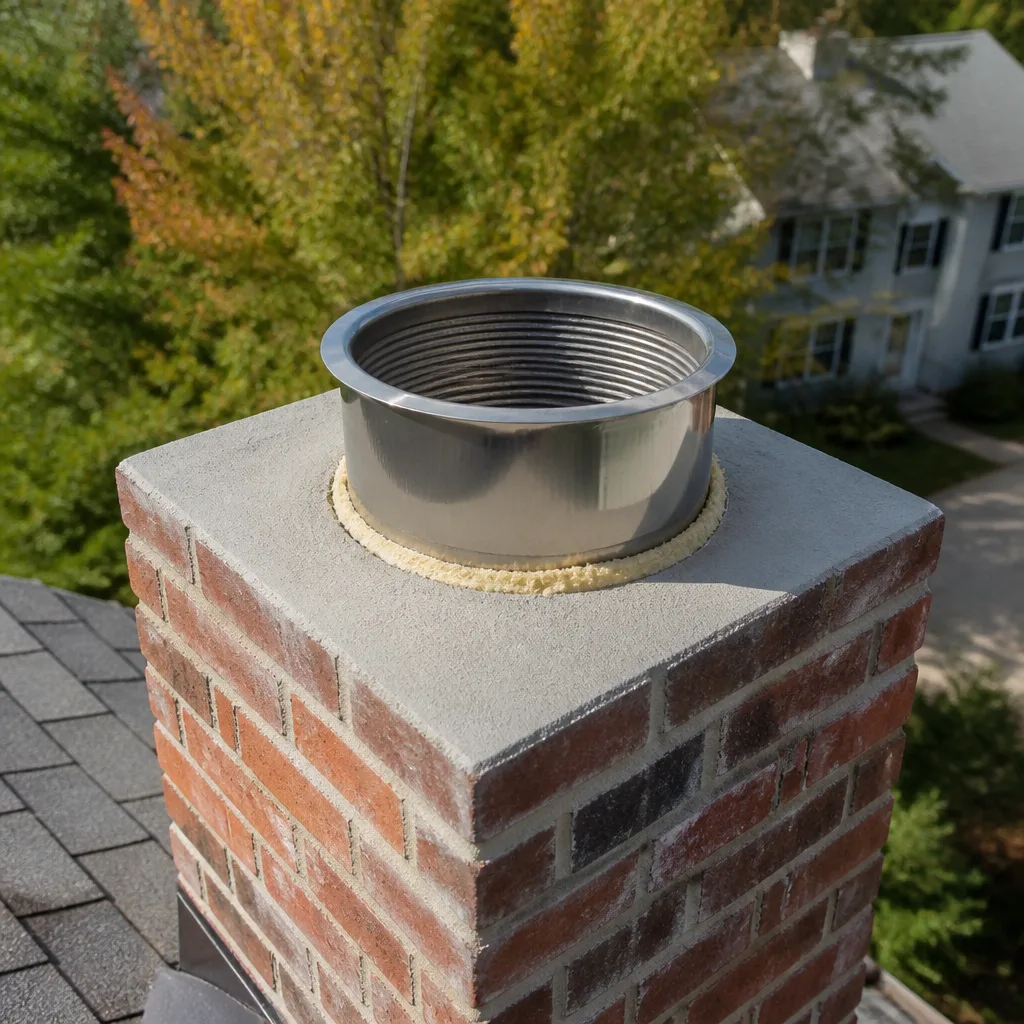 Flue relining
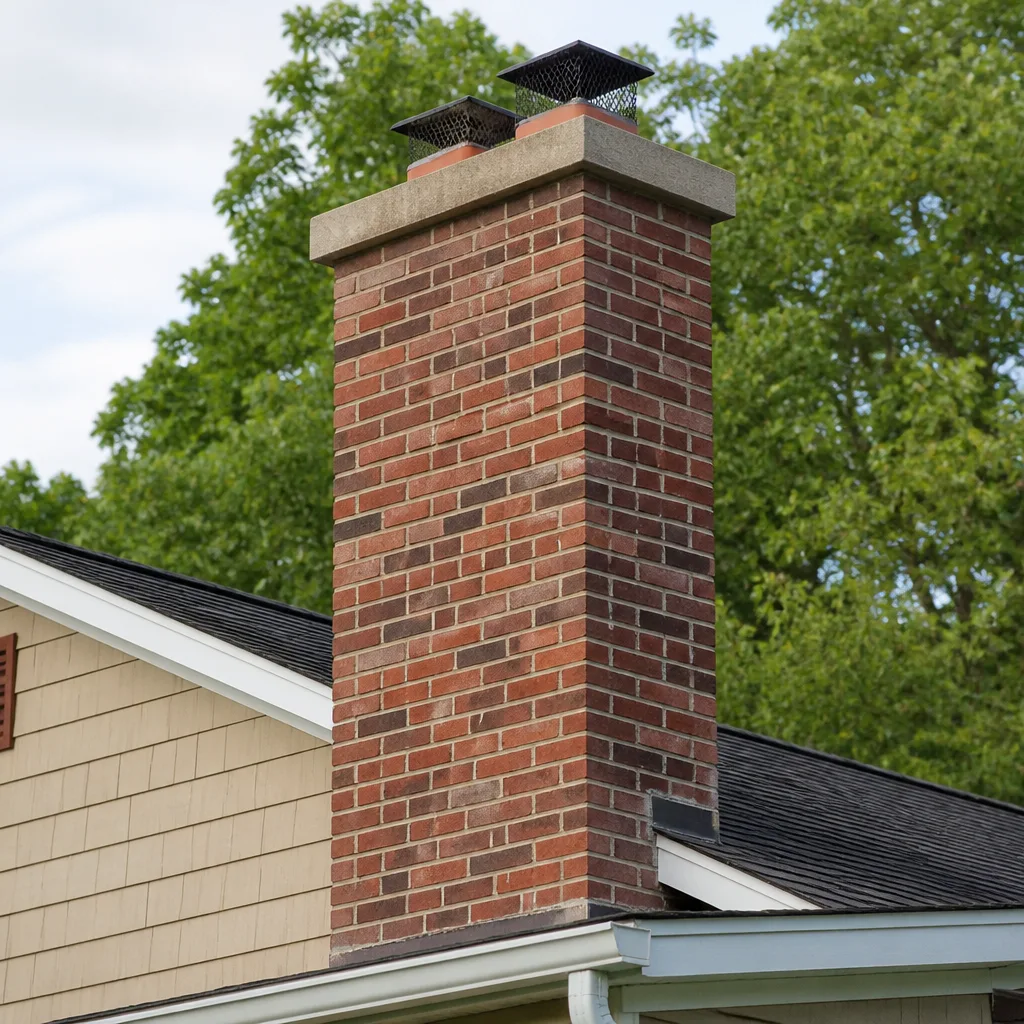 Masonry repair
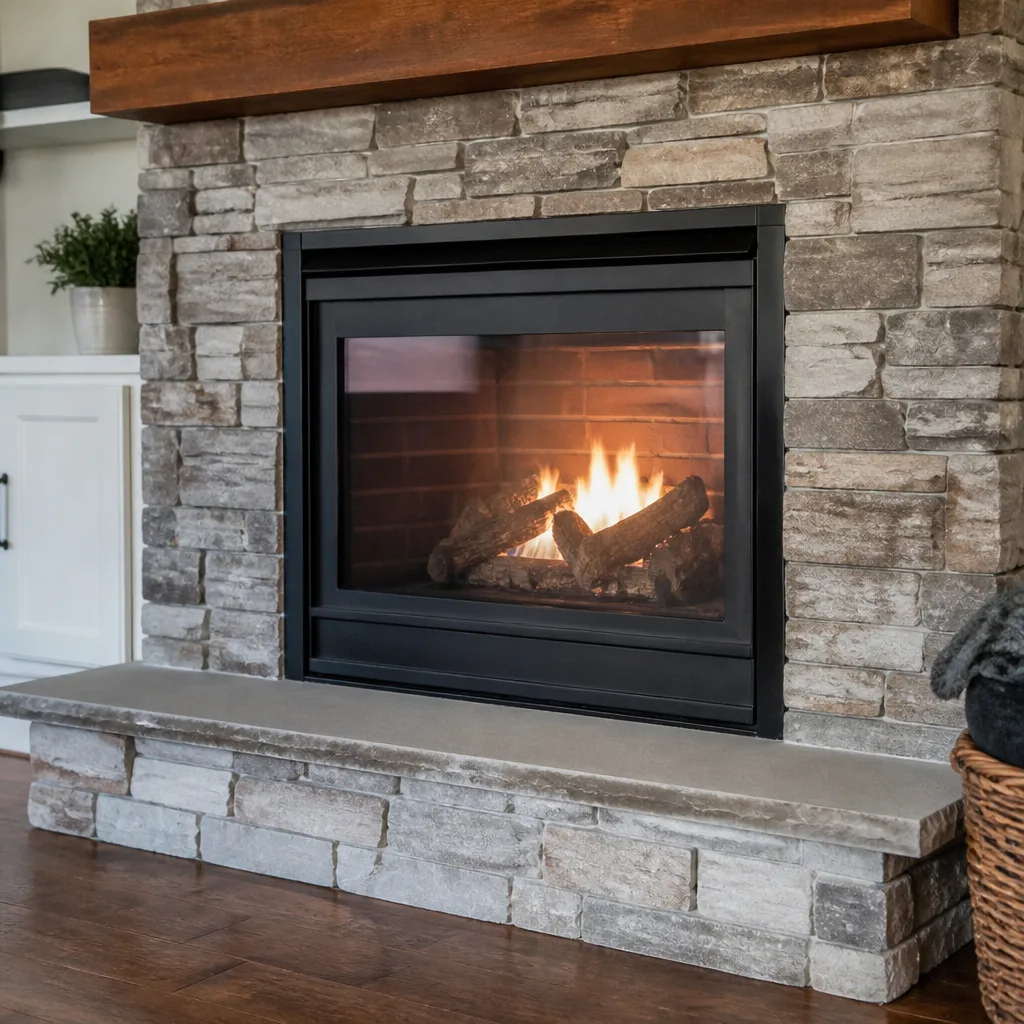 Gas fireplace service
Level 1 sweep and inspection to the NFPA 211 annual standard - flue, crown, cap, and flashing checked and photographed
Chimney sweep logs do not sweep chimneys. They loosen some creosote - which then falls where a brush and vacuum still have to collect it.
How to Hire a Chimney Cleaning Contractor in Provo: A Step-by-Step Guide
Utah does not require a specific chimney sweep license. That single fact changes everything about how you hire. Anyone who can buy a brush and print a business card can legally call themselves a chimney sweep in this state, and nothing stops them from showing up at your door. The credential that actually separates a trained technician from an unlicensed handyman is CSIA certification, and fewer local operators hold it than their websites imply. This guide gives you a vetting framework built on things you can verify yourself, not on how confident someone sounds on the phone. We’ll walk through Provo homeowners’ real options step by step.
Quick Answer
To hire a chimney cleaning contractor in Provo, verify CSIA certification directly through the CSIA’s online lookup tool rather than trusting a website badge, ask five diagnostic questions that reveal whether the company is a chimney specialist or a generalist, and insist on a written estimate that itemizes each task before anyone books the job. Because Utah does not license chimney sweeps, your own screening is the only real quality control. A legitimate Provo sweep will welcome every one of those checks.
Styles & brands we work with
- Sweep & inspection
- Caps & crowns
- Flue relining
- Masonry repair
- Gas fireplace service
Table of Contents
- Why Utah’s Licensing Gap Changes How You Hire
- How to Verify CSIA Certification the Right Way
- The Five Questions to Ask Before You Schedule
- What a Legitimate Written Estimate Should Itemize
- Why the Lowest Bid in Provo Usually Isn’t the Best Value
- How to Read Reviews for Chimney Contractors
- Specialist vs. Generalist: Spotting the Difference
- What Provo’s Climate and Housing Mean for Your Chimney
- Common Mistakes to Avoid
- When to Call a Professional
- Frequently Asked Questions
- The Bottom Line
Why Utah’s Licensing Gap Changes How You Hire
In most trades, a state license number does some of the vetting for you. You can look it up, confirm it’s active, and know at minimum that the person passed a test and carries the required insurance. Chimney sweeping in Utah doesn’t work that way. There is no state-issued chimney sweep license, no separate classification for the trade, and no database you can search to confirm that the person sweeping your flue has ever been trained to do it. That’s not a reason to panic. It’s a reason to change your approach.
When licensing is absent, the burden of verification shifts to you, the homeowner. That sounds daunting, but it’s actually manageable once you know which signals carry real weight and which are decoration. A CSIA certification, verified independently, tells you the technician passed an exam and committed to a code of ethics. A written estimate that itemizes tasks tells you the company thinks in terms of specific work rather than a flat number pulled from the air. A company that inspects before it sweeps tells you it’s diagnosing, not just scrubbing.
What doesn’t carry weight: a slick website, a logo that looks official, a magnetic sign on a truck, or a claim of “licensed and insured” with no way to confirm either. In a state where the chimney trade has no license to hold, that phrase is often borrowed language from other trades. Ask directly what certification the technicians hold and who issued it. A specialist answers without hesitation. A generalist pivots to something else.
This matters most in a city like Provo, where a large share of the housing stock includes older masonry fireplaces and wood-burning inserts that have been through many seasons of use. Skipping proper screening here doesn’t just risk a poor cleaning. It risks a technician who doesn’t recognize a cracked flue tile when they see one, or who sweeps past a hazard they aren’t trained to identify. For a proper chimney sweep, training is the whole point.
How to Verify CSIA Certification the Right Way
The Chimney Safety Institute of America (CSIA) is the trade’s recognized certification body. A CSIA-certified sweep has passed an exam covering chimney and venting systems, combustion science, and safety, and has agreed to a code of ethics. That’s the credential worth checking. But here’s the part most homeowners get wrong: they see a CSIA logo on a website and assume it’s been verified. Logos are graphics. They take five minutes to add and prove nothing.
Verify certification directly. The CSIA maintains a public lookup tool that allows you to search certified professionals by name, company, or location. Here’s how to use it:
- Ask the company, before booking, for the full names of the CSIA-certified technicians who will be on your job. Not the company name alone. The individuals.
- Go to the CSIA’s website and find the “Find a CSIA Professional” lookup tool.
- Search by the technician’s name or by the company name and city.
- Confirm the certification is listed as active and current, not expired.
- Ask how many technicians on the crew hold certification. A company with one certified technician and five uncertified helpers is a different outfit than one where every technician is certified.
Any certified sweep will be happy to give you that information. The certification is a point of pride in the trade, and a technician who earned it wants you to know. If a company gets vague, defensive, or claims the certification is “pending” or “being renewed,” that’s your answer. The lookup takes two minutes and settles the question.
This is worth emphasizing in Provo because the CSIA-certified population is smaller than the number of flyers on neighborhood bulletin boards would suggest. Verification isn’t a formality. It’s the single most useful screening step available to you, because it’s the one objective, publicly checkable credential the trade has. At Provo Chimney Sweep, our technicians have up to 10 years of experience, and we’ll always put you in touch with the certification details you want to confirm. You can read more about who we are on our Provo Chimney Sweep page.
The Five Questions to Ask Before You Schedule
A phone call before you book tells you more than a website ever will. These five questions separate a chimney specialist from a generalist who added chimney work to their services menu. Ask them plainly and listen to how the answers come back. It’s not just what they say. It’s whether the answers are specific or vague.
- “What level of inspection do you perform, and will you tell me which one I need?” Proper chimney inspections follow recognized levels: Level I for a basic visual check, Level II when there’s been a change to the system or you’re buying a home, and Level III for serious hidden problems. A specialist explains the difference and recommends based on your situation. A generalist usually just says “we’ll take a look.”
- “Do you inspect before you sweep, or sweep and then inspect?” The right sequence is inspect before you sweep, repair before you light. A sweep should look at the flue, damper, firebox, cap, and crown before running a brush, because a cleaning can’t fix a structural problem and can sometimes mask evidence of one.
- “What brands of liners and repair products do you install?” A specialist names professional-grade products, often DuraFlex flexible stainless liners, HeatShield for liner resurfacing, or Olympia Chimney components. A generalist says “whatever the supply house has.”
- “Do you use cameras, and will I see the report?” A camera inspection with photos you can actually look at is the difference between being told you need work and being shown why. A sweep who can’t show you the inside of your flue can’t expect you to trust the diagnosis.
- “What’s included in the price and what would trigger additional cost?” A specialist gives you a clear scope up front: what the base price covers, what a liner resurfacing or a crown replacement would add, and how they’d tell you if it’s needed. A vague “we’ll sort it out” is a red flag before anyone arrives.
In our experience, a genuine chimney specialist answers all five without hesitation because these are the questions they think about on every job. The calls that get uncomfortable are the ones where the person on the other end of the line is reading chimney terms off a script. Provo homeowners who ask these questions save themselves from the most common hiring mistake: finding out the “chimney sweep” they hired doesn’t actually do chimney repair after the sweep reveals a problem.
What a Legitimate Written Estimate Should Itemize
A written estimate in Provo should tell you exactly what will be done, room by room and component by component, with a price for each line. That level of detail isn’t just documentation. It’s a diagnostic tool. When a company can break the job into specific items, it understands the work. When the quote is one number with a handshake, you’ve learned something useful about how the job will be handled.
Here’s what a fair written estimate typically covers, using general trade ranges rather than a Provo-specific price list:
- Professional chimney sweep: the cleaning itself, with the level of inspection included in the base cost.
- Camera inspection: noted as included or added, with a photo report.
- Liner resurfacing: priced separately if needed, with the product named (HeatShield is a common one for resurfacing without full liner replacement).
- Liner replacement: if the flue requires a full stainless liner, itemized by type and length, with the brand named (DuraFlex is standard for flexible relining).
- Cap and crown: listed as services, not bundled into a vague “miscellaneous.”
- Repairs discovered during inspection: clearly marked as conditional, with the price you’d pay if needed.
- Final price: stated as the written estimate setting the total, not a range with asterisks.
That last point matters. The written estimate sets the final price. If a company quotes you a number over the phone and then hands you a different one on-site, the estimator was guessing. The best Provo contracts we see are itemized, clear about what’s included, and explicit about what would change the price and why.
The flip side is the vague quote: one lump sum, no scope, and the promise of “additional work” the moment the technician arrives. Those operators are running on upsell economics, and the lump sum is designed to look low precisely because it will grow. A written estimate that itemizes gives you something to compare and gives you the information to decide whether the work is truly needed. When your flue is a safety system, that’s worth more than a savings. You can see how detailed repair options look on our chimney repair page.
Why the Lowest Bid in Provo Usually Isn’t the Best Value
Chesterton’s old line about getting what you pay for is shopworn, but in the chimney trade it’s unusually accurate. The lowest bid often reflects equipment limitations rather than efficiency. A sweep with a hand brush and a shop vac is cheaper to run than one with a camera, proper rods, HEPA filtration, and a trained technician who knows what they’re looking at. The savings show up in the price. The cost shows up in the gaps.
Here’s how to spot the difference between genuine value and a stripped-down bid:
- What’s missing from the scope. A low quote that includes the sweep but not the inspection, or the inspection but not the camera report, is cheap because it leaves out the parts that catch problems. The work that matters is the work that found the crack.
- What the company carries. A contractor who installs professional-grade liners and repair systems (HeatShield for resurfacing, DuraFlex for relining, Gelco for other components) has to source them, learn them, and stand behind them. That infrastructure costs money. A bid with no named products likely doesn’t carry them.
- What happens when something is found. The lowest bidder often can’t do the repair and refers it out, or doesn’t find it because they never looked. A single-trade specialist handles diagnosis through completion without subcontracting the specialty work.
- The equipment you can see. Ask what they bring. Proper sweeping in a modern home involves drop cloths, high-efficiency vacuums that keep soot from blowing back into the room, and rods sized for the flue. If the answer is “just the basics,” the basics are cheaper for a reason.
A comparison matters here. When we quote a Provo job, we itemize what a sweep includes and what a repair might cost, and we make the estimate free so you can compare apples to apples. The low bid only looks low until you price what it left out. Our fireplace repair service is a good example of work a generalist sweep often can’t complete in-house.
How to Read Reviews for Chimney Contractors
Reviews are useful when you read for signals rather than stars. A five-star average tells you people were satisfied. It doesn’t tell you whether the person doing the work was a specialist. Read the text and look for the language of technical competence. It sounds different from the language of good service.
Phrases that signal a competent chimney specialist:
- “They showed me photos of the inside of my flue before recommending anything.”
- “The technician explained which level of inspection I needed and why.”
- “They found a crack my previous sweep missed.”
- “They said the liner was fine and I didn’t need the work I was quoted by another company.”
- “They installed a DuraFlex liner and walked me through what it would do.”
- “They told me the crown needed replacement and showed me the damage.”
Phrases that are pleasant but tell you little: “very friendly,” “on time,” “reasonable price,” “cleaned up after themselves.” Those are baseline service qualities, not evidence of chimney expertise. A company can be warm and prompt and still not know how to identify a failed flue tile. Weight the technical details heavily when you’re choosing between candidates.
Also read for what’s absent. A company with dozens of reviews but no mention of inspection findings, repairs, liners, or camera reports may be a straight cleaning shop. That’s fine if that’s all you need. But if you have a wood-burning fireplace and you want a specialist who can diagnose and fix what they find, look for reviews that mention repair work and product brands. Those reviews tell you the company handles the full lifecycle, from chimney repair to a basic sweep, not just the cleaning itself.
Specialist vs. Generalist: Spotting the Difference
The most valuable filter in this whole process is the specialist-versus-generalist question. A chimney specialist spends their days on chimneys and fireplaces. A generalist might be a roofer, an HVAC tech, or a handyman who added chimney work as a line item. The difference shows up in every part of the job, from how they inspect to what they recommend.
Here’s the framework we suggest homeowners use to tell them apart:
- Does the company work on chimneys only, or is it one of many services? A single-trade focus means the person at your house is a chimney specialist, not a roofer moonlighting on the side.
- Can they name professional-grade brands? Specialists source from makers like DuraFlex, HeatShield, Gelco, Olympia Chimney, Famco, and Copperfield. They know these products because they install them regularly.
- Do they cover the full lifecycle? Sweeping, inspection, liner work, cap and crown replacement, and fireplace work from one company means no referral chain and no finger-pointing when something goes wrong.
- Do they offer specialized repairs a generalist skips? HeatShield resurfacing, for example, lets a specialist restore a liner without a full replacement. That capability is a strong specialist signal.
- Do they inspect and diagnose first? The inspect-before-you-sweep, repair-before-you-light sequence is how a specialist thinks. A generalist sweeps first and asks questions later.
One more signal: ask who does the repair work if something is found. A specialist says “we do it.” A generalist either refers it out or tries to do it without the specific training and product relationships that the specialty requires. When one company handles diagnosis through completion, you get continuity and a single point of accountability. You can read more about the full scope in the Provo Chimney Sweep overview.
What Provo’s Climate and Housing Mean for Your Chimney
Provo sits in Utah Valley, tucked against the Wasatch Range, in a climate with cold, snowy winters and dry, hot summers. That combination has real implications for chimney maintenance. In a cold winter with extended heating seasons, a wood-burning fireplace or insert gets a lot of use. More burning means more creosote accumulation, and creosote is the fuel for chimney fires. That’s why an annual inspection and sweep is a sensible rhythm in this climate, not a service you book every few years.
The dry summer side matters too. Masonry chimneys on Provo homes are exposed to freeze cycles, and moisture is the enemy of masonry. A crown that’s cracked or a cap that’s missing lets water into the chimney structure, and when temperatures drop, that water freezes, expands, and spalls the brick or mortar. Over time, small cracks become big problems. That’s why crown and cap conditions get attention during a proper inspection in this city. The parts that keep water out are the parts that keep the whole chimney intact.
The housing stock adds context. Provo has a mix of older homes with original masonry fireplaces and more recent construction with prefabricated systems. Both need specialists to diagnose them, and both have different flue requirements. An older masonry fireplace might call for a HeatShield resurfacing to restore the flue. A newer system might need a stainless liner if the original failed. The point isn’t the specific option; it’s that a generalist may not know the difference. That matters in a city where the weather works on the chimney year-round.
Common Mistakes to Avoid
- Taking the CSIA logo at face value. Anyone can put a logo on a website. Take two minutes to use the CSIA lookup tool and verify the certification is active for the technician who will actually do the work.
- Booking the lowest bid without reading the scope. A low price with a limited scope is not a bargain; it’s a partial job. Itemize the comparison before you decide, especially in a Provo market with a wide range of bids.
- Skipping the inspection to save time. A sweep without an inspection is a cleaning with blinders on. The inspection is what finds the cracked flue tile or the damaged crown, and it’s worth the time every season.
- Hiring a roofer or handyman “who does chimneys too.” A generalist may be able to sweep, but the repair work and the product knowledge require a specialist. The trade has one credential worth checking, and generalists usually don’t hold it.
- Ignoring a missing or damaged cap. In Provo’s climate, a cap keeps out rain, snow, birds, and debris. A damaged cap is an invitation to water damage, and cap replacement is a named service at a specialist, not an improvised fix.
- Believing the diagnosis without seeing the evidence. If a company tells you the liner needs replacing, ask to see the camera footage or photos. A legitimate specialist will show you, not tell you. A generalist who can’t show you doesn’t have the proof.
- Waiting until you smell smoke backdraft to book. A smoking fireplace is a symptom. It’s cheaper and safer to inspect and repair before the draw fails than after, and the winter heating season is when a failing flue is most likely to show itself.
When to Call a Professional
Some chimney problems announce themselves and some stay quiet. A fireplace that smokes into the room, a visible crack in the firebox or above the damper, dark staining on the outside of the chimney, a missing or damaged cap, or a flue that hasn’t been inspected in a year are all reasons to call. If you’ve had a chimney fire, even a small one, that’s an immediate reason for a Level II inspection before you use the fireplace again. Provo Chimney Sweep offers free estimates in Provo. Call us at (866) 330-1947. We answer 24/7. Fast dispatch from 7am to 7pm, Sunday through Friday. Our technicians have up to 10 years of experience, and we’ll show you what we find before recommending anything.
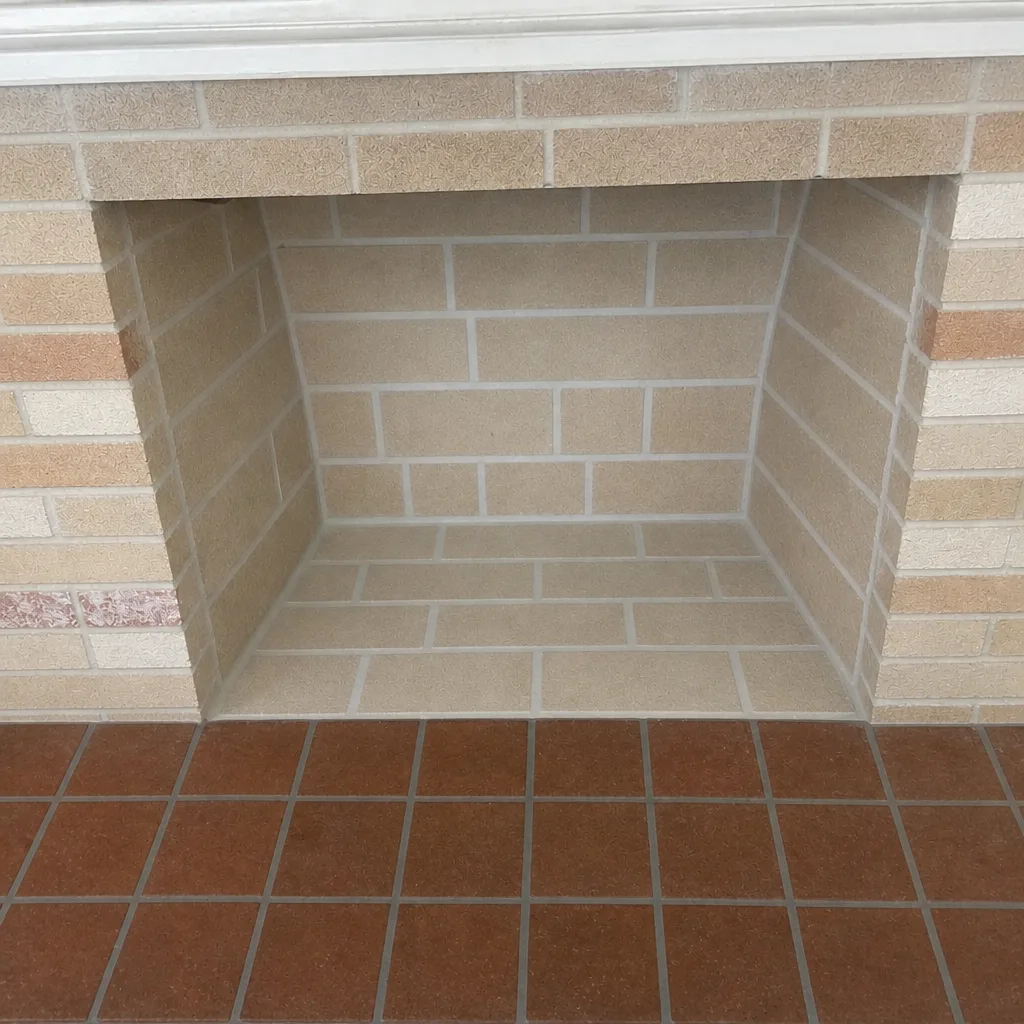
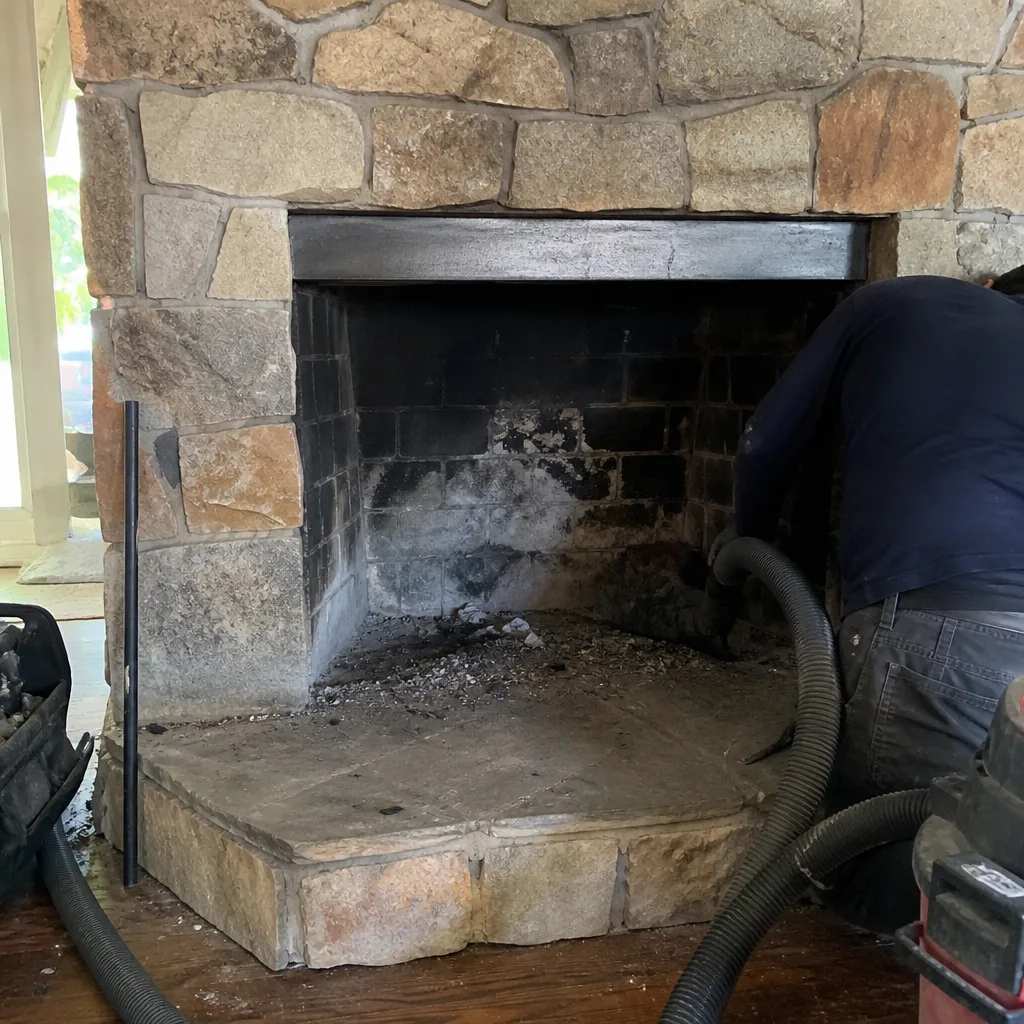
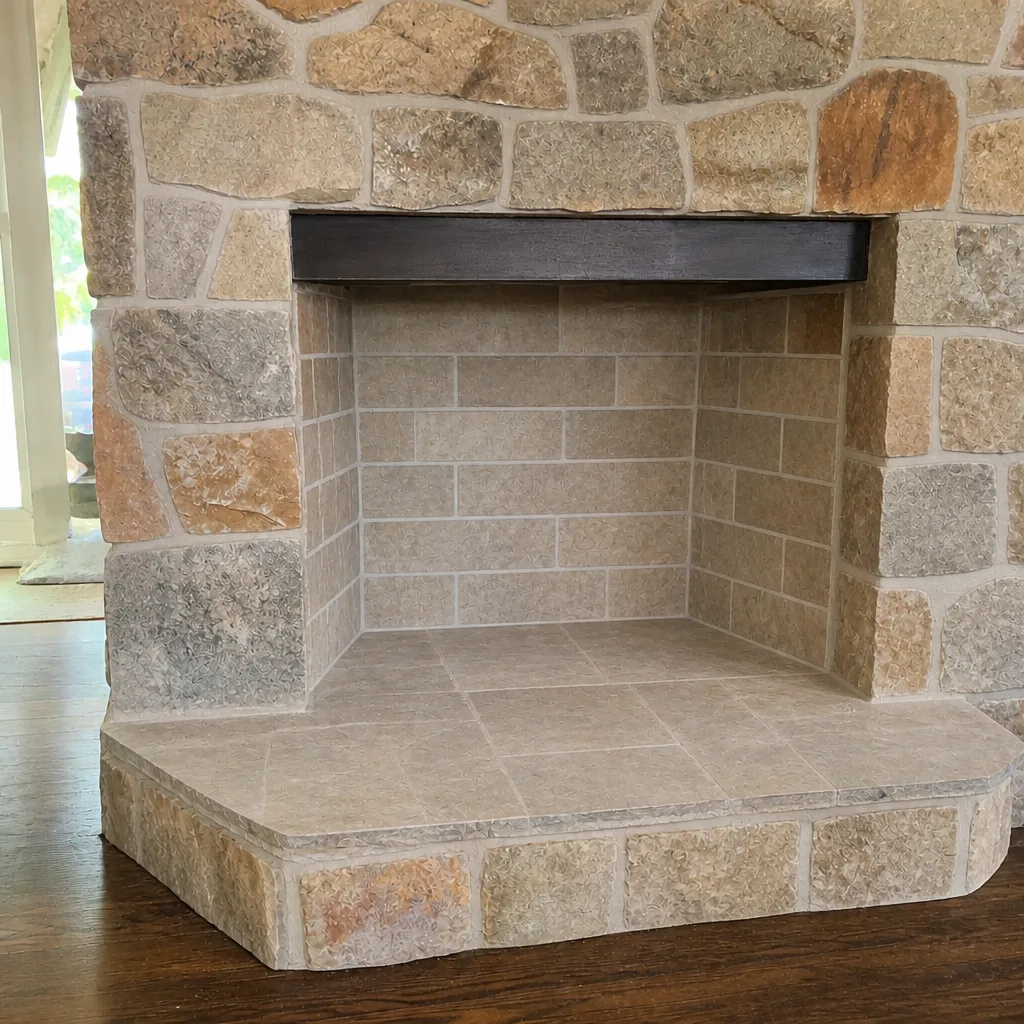
See the difference
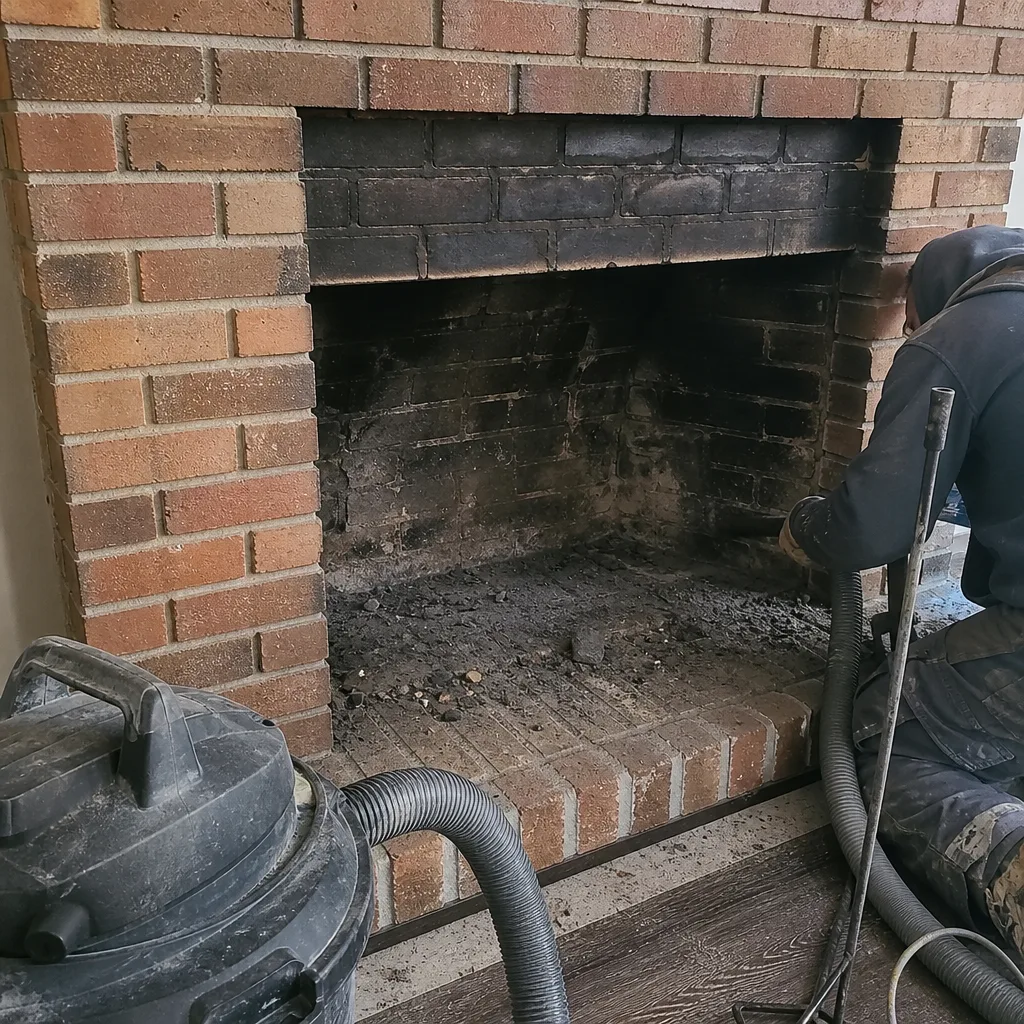 Before
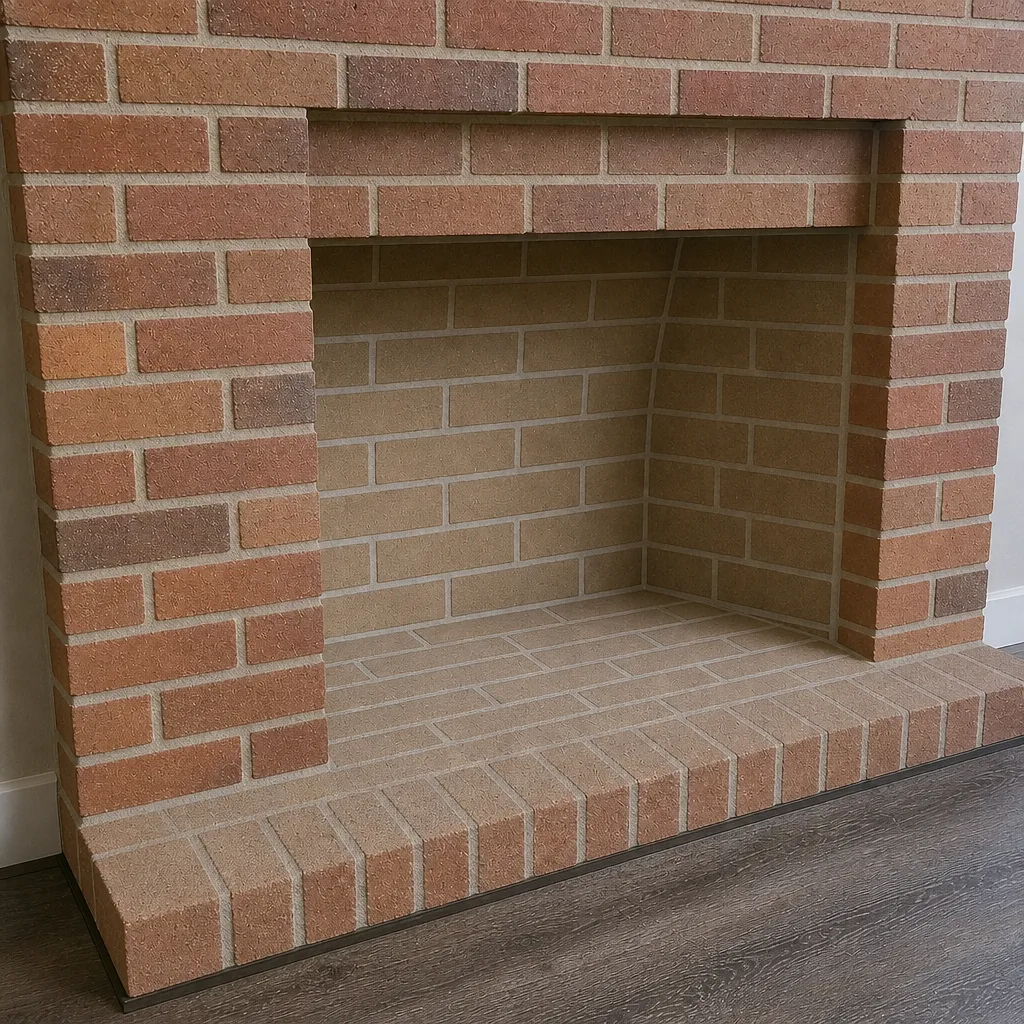 After
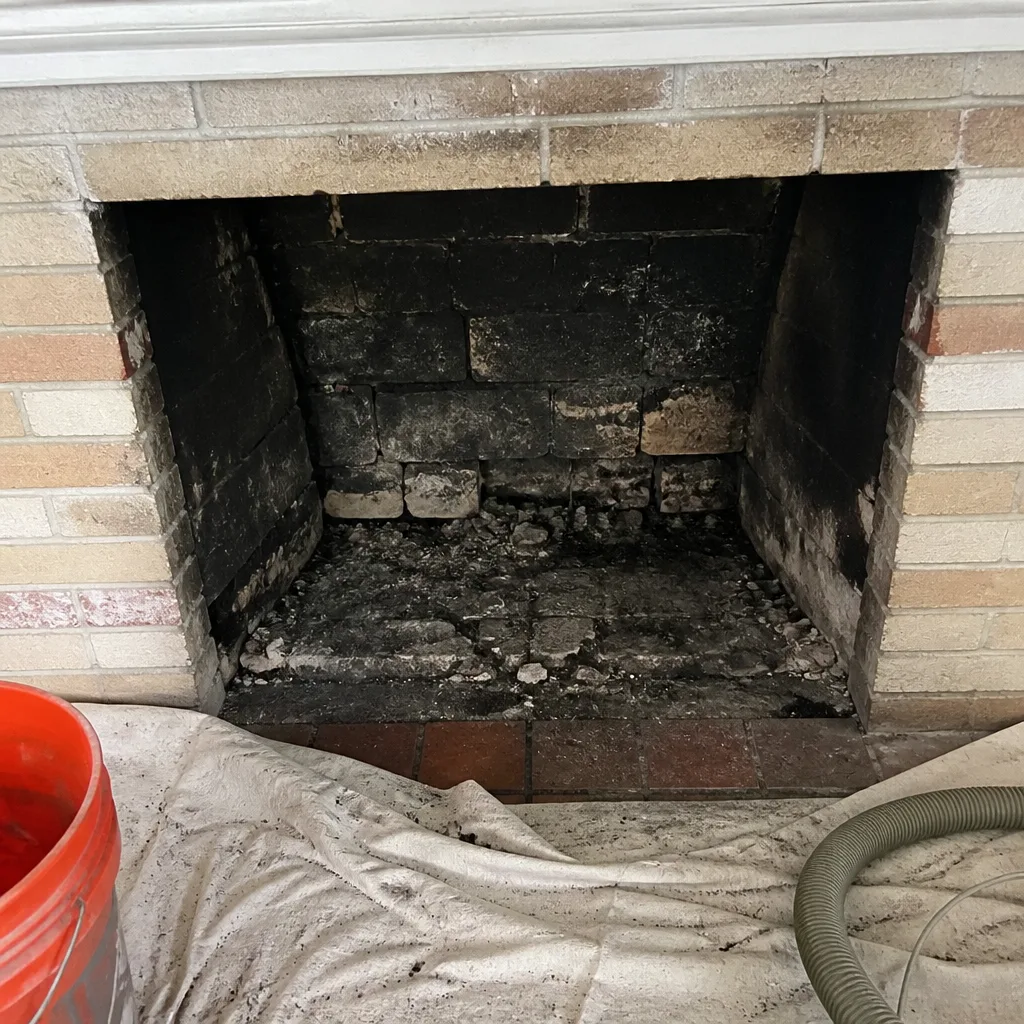 Before
 After
 Before
 After
Frequently Asked Questions
No. Utah does not require a specific chimney sweep license, so there’s no state database to check. The credential that matters is CSIA certification, which you can verify directly through the CSIA lookup tool. Because the state doesn’t screen sweepers for you, ask for the certified technician’s name and confirm it yourself before you book.
Ask for the full name of the certified technician who will do the work, then search that name or the company name in the CSIA’s public lookup tool. The certification should show as active and current. A company that hesitates to give you the technician’s name, or claims the certification is being renewed, is worth passing on. Call (866) 330-1947 for an exact quote on a free estimate.
A fair estimate itemizes the sweep, the inspection level, the camera report, any liner work with the product named, cap and crown work, and the repairs that would be conditional on what’s found. It states clearly that the written estimate sets the final price. A vague one-number quote with no scope is a sign the price will grow once the technician arrives. Call (866) 330-1947 for an exact quote; estimates are free.
A generalist can push a brush through a flue, but the diagnosis and repair require a specialist. The five questions in this guide are designed to surface the difference: a specialist names inspection levels, product brands, and repair options without hesitation. A roofer or handyman who added chimney work usually can’t, and that gap matters when something is found.
Annually is the sensible rhythm in a cold-winter climate where a wood-burning fireplace gets heavy seasonal use. A yearly inspection and sweep catches creosote buildup and moisture damage before they become larger repairs. If you burn frequently or have had a chimney fire, a Level II inspection is warranted. Call (866) 330-1947 to book a free estimate.
Ask to see the camera photos or footage of the flue before you agree to anything. A legitimate specialist shows the evidence, and a failed liner is a safety concern worth fixing, not a sales tactic. Some flues can be restored with resurfacing like HeatShield instead of a full reline. If the diagnosis isn’t backed by something you can see, get a second opinion. Call (866) 330-1947 for an exact quote.
The Bottom Line
Hiring a chimney contractor in Provo comes down to verification, because Utah’s missing license means no one screens the trade for you. Verify CSIA certification through the official lookup rather than a website logo. Ask the five questions that reveal a specialist, and insist on a written estimate that itemizes the work. Treat the lowest bid as a question rather than an answer, and read reviews for technical specifics, not just praise. A chimney-only specialist answers happily, shows you the camera footage, and names the products they install. That’s the difference that matters before the burning season.
Get a Free Estimate in Provo
If you’re ready to book a sweep or you have a repair question, we’re glad to help. Provo Chimney Sweep is a chimney-only specialist offering sweeping, inspection, fireplace repair, chimney repair, and cap and crown work, with professional-grade products from DuraFlex, HeatShield, Gelco, and Olympia Chimney. Our technicians have up to 10 years of experience, and we’ll show you the evidence before recommending anything. The estimate is free and the written estimate sets the final price. Call (866) 330-1947 for a free estimate. We answer 24/7. Fast dispatch from 7am to 7pm, Sunday through Friday.
Written by the team at Provo Chimney Sweep.