
Last updated November 25, 2026
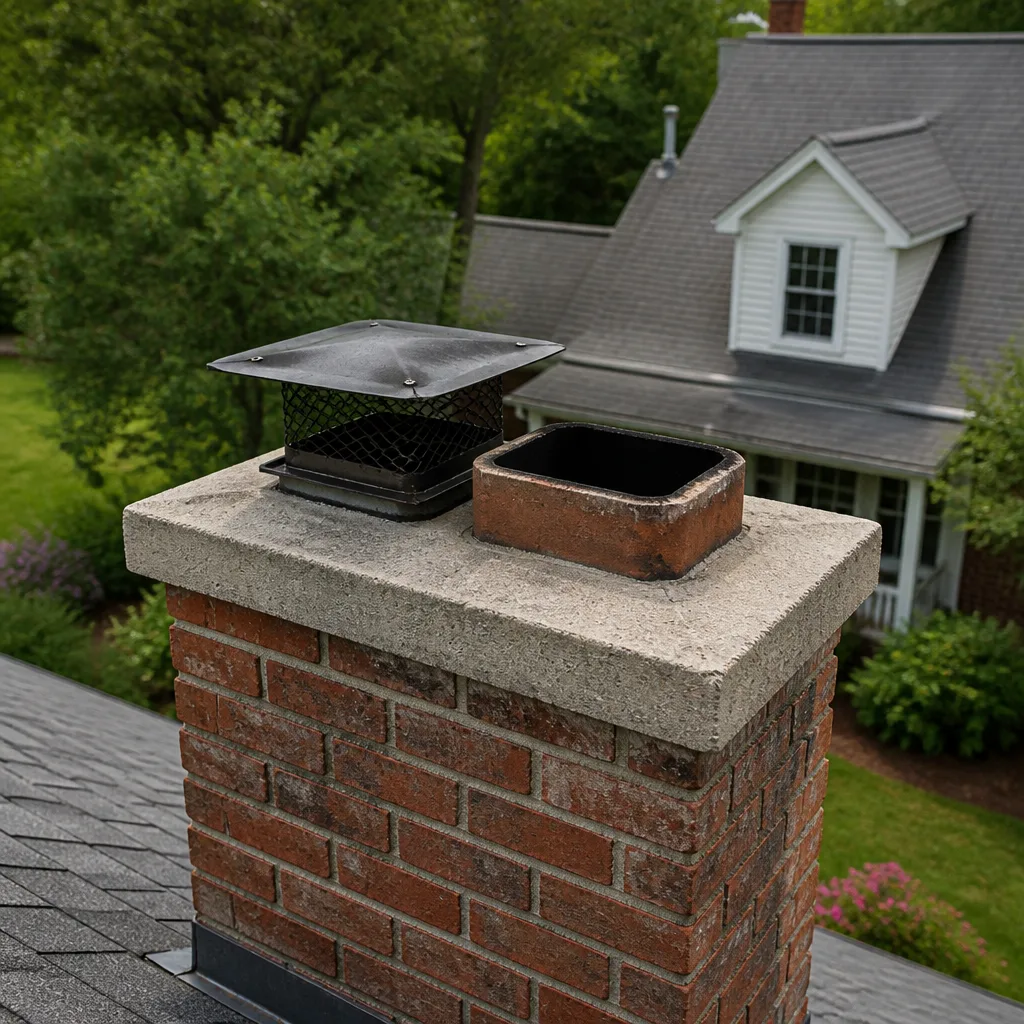 Sweep & inspection
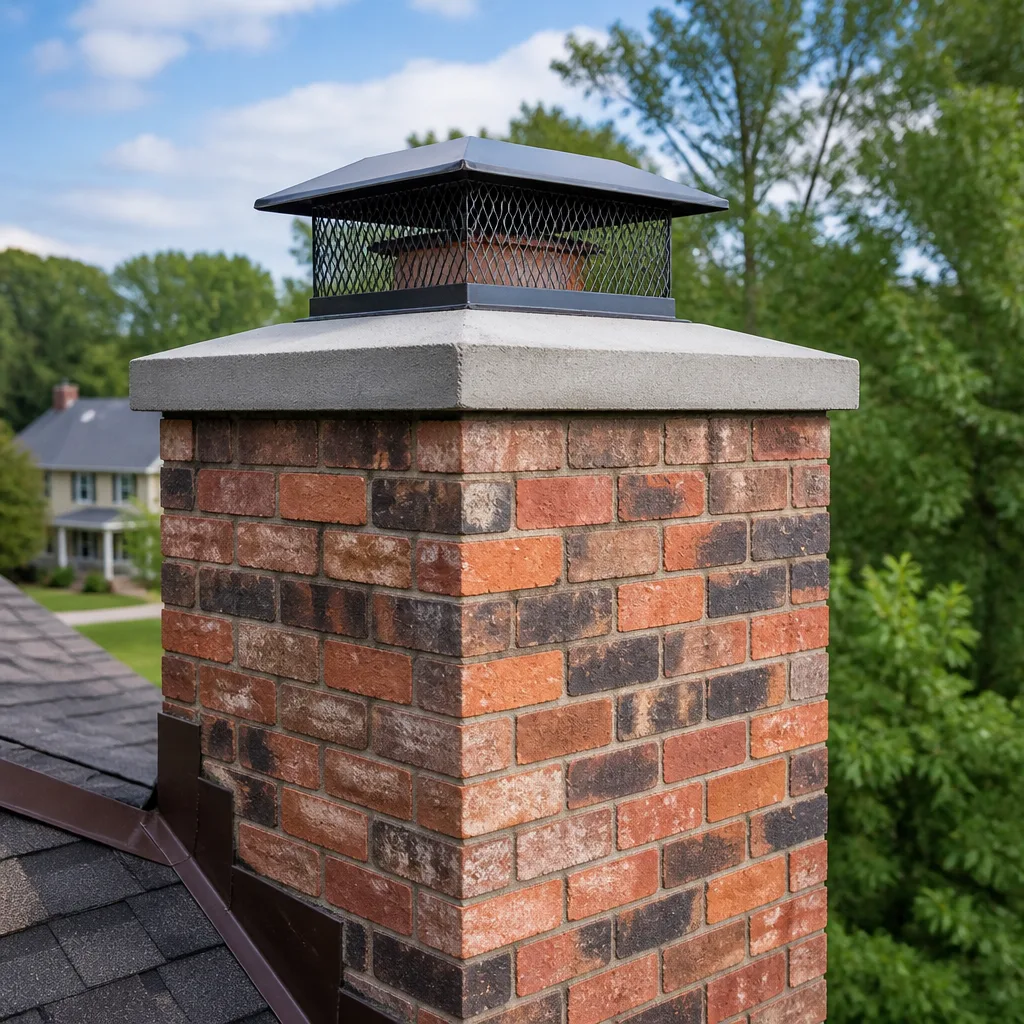 Caps & crowns
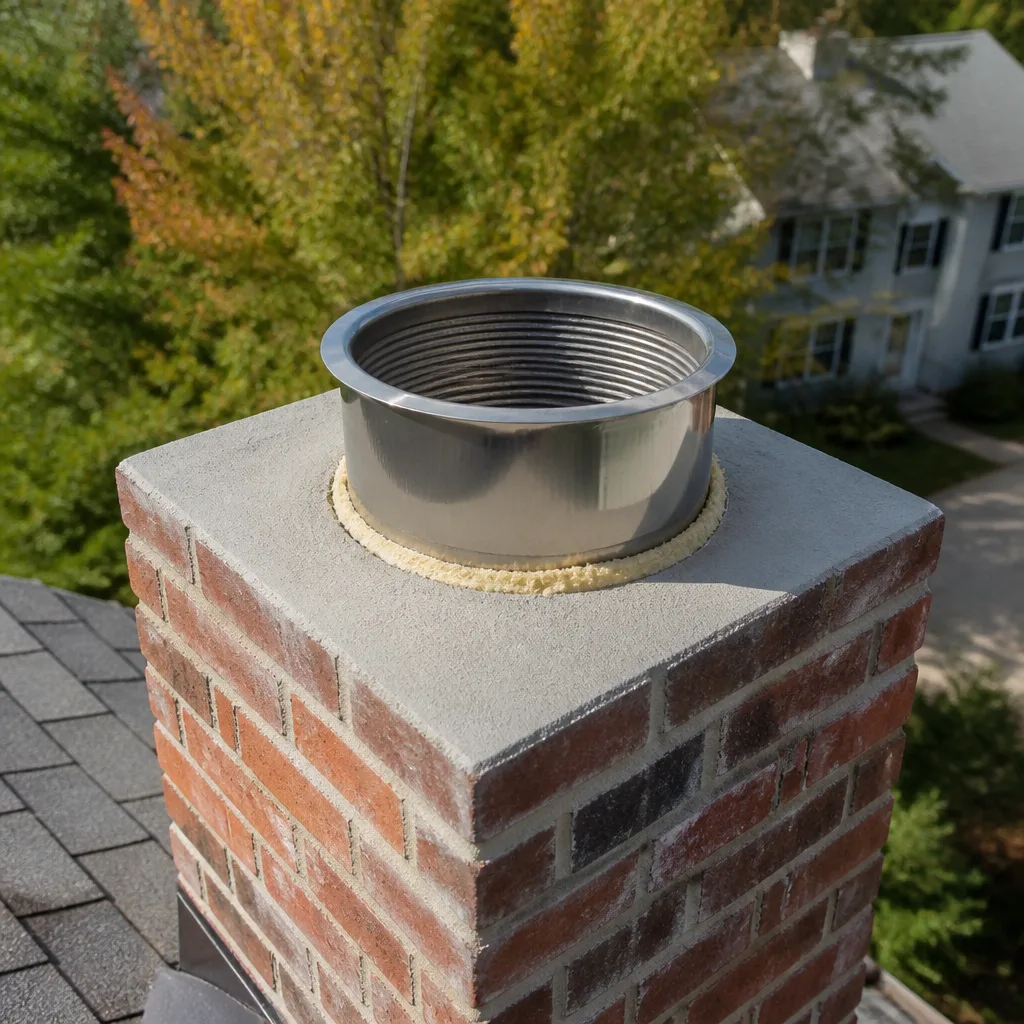 Flue relining
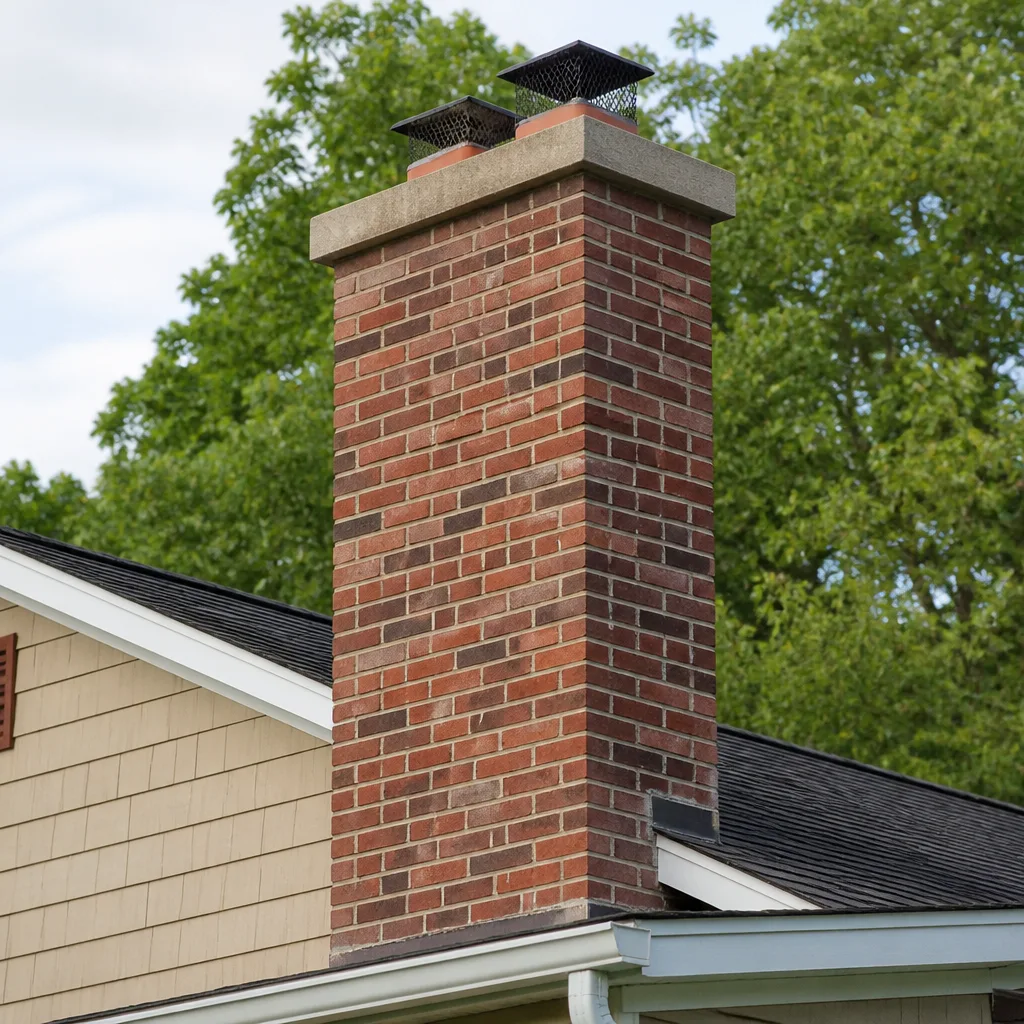 Masonry repair
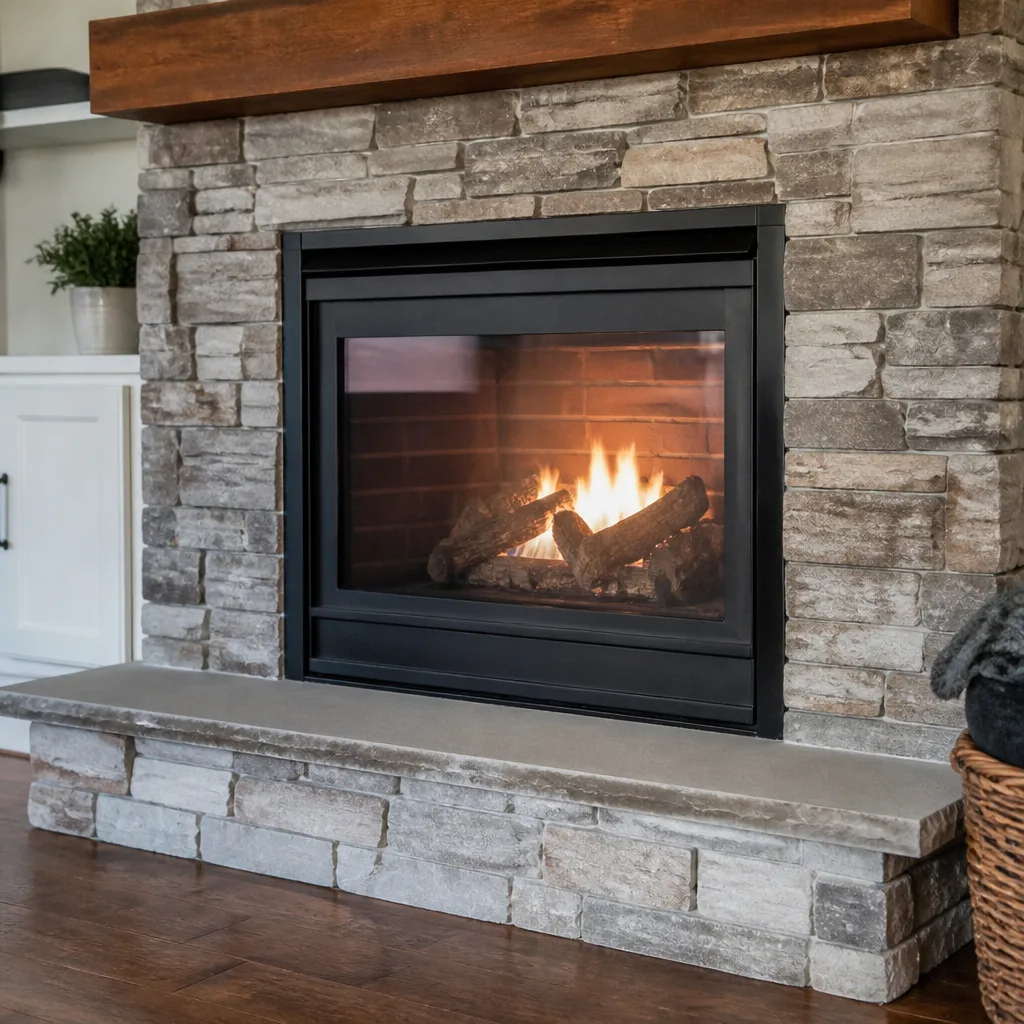 Gas fireplace service
Level 1 sweep and inspection to the NFPA 211 annual standard - flue, crown, cap, and flashing checked and photographed
Chimney sweep logs do not sweep chimneys. They loosen some creosote - which then falls where a brush and vacuum still have to collect it.
Choosing the Right Chimney Cleaning Brand: A Buyer’s Guide for Provo
Most homeowners never ask which brush a sweep uses. They ask the price. But the gap between the nylon brush sold at the hardware store and the rotary system a chimney-only specialist runs tells you almost everything about how the rest of the work will go. Different wire gauges. Different drive mechanisms. Different bristle configurations for different liner materials, because the wrong brush on a stainless flue scratches it and the right one doesn’t. In this guide we break down which brands matter in a chimney context, what the material specifications actually mean for a home in Provo’s temperature swing, and how to ask a contractor a question they can’t bluff their way through.
Quick Answer
The right chimney cleaning brand depends on what’s being cleaned or replaced: DuraFlex for stainless flexible relining, HeatShield for liner resurfacing without full replacement, Gelco, Famco and Copperfield for caps and crowns, and professional rotary brush systems with the correct gauge for your flue type. A Provo sweep worth hiring can tell you exactly which brands they stock, which they install, and why they chose them over a commodity alternative. If the answer is vague, the brand selection probably is too.
Styles & brands we work with
- Sweep & inspection
- Caps & crowns
- Flue relining
- Masonry repair
- Gas fireplace service
Table of Contents
- Why brand selection signals technical seriousness
- Liner brands: HeatShield, DuraFlex, and the material question
- What Utah’s temperature range does to a chimney system
- Caps and crowns: gauge thickness and stainless vs. galvanized
- Inspection cameras and why resolution affects diagnosis
- Creosote treatments: preventive vs. active buildup
- How to ask a contractor which brands they stock
- What to look for in a Provo chimney specialist
Why Brand Selection Signals Technical Seriousness
A chimney brush looks simple from the outside. Inside, the differences matter. A polypropylene brush is designed for a stainless liner because it won’t scratch the steel. A flat wire brush is chosen for a masonry flue when the creosote is glazed and hard, because nylon will skate right over it. A rotary system with a weighted whip head is a different tool again, used for heavy deposits without forcing the technician to shove a hand brush through each flue section. Each of these tools has a brand behind it, and each brand has specifications that a technician can either name or can’t.
In our experience, a sweep who works exclusively on chimneys can tell you the wire gauge, the drive head type, and why they chose one over the other for a particular flue. A generalist contractor who sweeps as a sideline will usually say “we use a brush” and leave it there. That’s not a knock on generalists. It’s just an honest description of the difference between a specialist and a handyman. Chimney-only specialists have built their tooling around one trade, so the brands come up naturally in conversation.
This applies to more than cleaning tools. The same question about brand applies to liner systems, caps, crowns, and camera equipment. If you want a quick audit, ask any contractor three things: what brush do you use on a stainless flue, what liner brand do you install, and what camera do you inspect with. The answers tell you more than any price quote.
- Specialist: names brands, explains why, knows the specification differences between them.
- Generalist: names a general tool category, defers to “whatever the supplier gives us.”
- Retail-only: hasn’t specified a brand because they’ve never chosen one.
Liner Brands: HeatShield, DuraFlex, and the Material Question
Liner work is where brand selection has the biggest long-term consequence, and where the trade has drawn the clearest lines between categories of product. There are three broad approaches a sweep can take when a flue is damaged: install a full stainless liner, resurface the existing liner in place, or recommend a heat-rated cast-in-place system. Each has brands associated with it, and each brand has a spec sheet that tells you what to expect.
DuraFlex is the stainless flexible relining system most of the trade knows. A stainless flexible liner is a continuous tube of corrugated stainless steel that runs the length of the flue and carries the combustion gases out the top of the chimney. The specification points to look at are the alloy (typically a specific stainless grade rated for wood or gas) and the wall configuration (single-wall vs. double-wall insulated). A double-wall insulated liner keeps the flue gases hotter, which reduces condensation and draft problems, especially in a cold Utah winter. Single-wall is thinner and easier to route but has less insulation value. Both come in the DuraFlex line, and a competent technician will explain the choice based on your appliance type, flue size, and how the chimney is constructed.
HeatShield works differently. It’s a liner resurfacing product: a cement-based coating applied to the inside of a clay or masonry flue to seal cracks and rebuild spalling sections without removing the original liner. The appeal is cost and disruption. On a flue that’s structurally sound but has surface deterioration, resurfacing can extend service life without a full liner pull. The catch is that HeatShield has a specific set of conditions it’s approved for, and a technician who isn’t comfortable with the product may either refuse it or apply it to a flue that isn’t a candidate. Ask specifically whether the flue has been evaluated for HeatShield or a similar resurfacing product before accepting a full liner replacement quote.
What we see in Provo homes is a mix of older masonry chimneys, some with original clay tiles that have cracked and some with liners that have never been upgraded at all. A sweep who works with both DuraFlex and HeatShield can walk you through the trade-offs. A sweep who only installs one brand has a natural incentive to steer you toward it.
- Ask about the alloy and wall configuration on any stainless liner quote. “Stainless steel” alone is not a specification.
- Ask whether HeatShield or a similar resurfacing product has been considered if the issue is surface cracking on a structurally sound flue.
- Ask what warranty the liner brand itself carries, separate from the installer’s labor warranty. Brand warranties are usually more specific than the installer’s general promise.
What Utah’s Temperature Range Does to a Chimney System
Provo sits in a mountain valley with real seasonal extremes: cool nights in spring and fall, hard freezes in winter, and hot, dry summers. That temperature swing is hard on chimney systems, and it’s the reason brand selection isn’t abstract here. Materials that perform fine in a mild coastal climate can fail in a few seasons when the flue goes through repeated heating and cooling.
The failure mode to know is called thermal cycling. A masonry chimney expands when the flue heats up and contracts when it cools down. After enough cycles, small cracks open along mortar joints and clay tile surfaces. Once a crack is open, water gets in from snowmelt or rain on the crown, freezes overnight, expands, and widens the crack further. That’s the mechanism behind a lot of the spalling brick and deteriorated mortar crown work we see on older Provo homes.
How a brand handles thermal cycling is one thing a spec sheet tells you. An insulated stainless liner is rated to manage rapid temperature changes. A cast-in-place liner is designed to bond to the flue walls. A resurfacing product like HeatShield is formulated for adhesion under heat stress. None of those are the same as a commodity product with no published thermal rating. When a contractor can’t tell you what the material is rated for, that’s a signal the product wasn’t selected with a Utah winter in mind.
Provo’s dry summer air matters too. Dry air allows creosote to harden quickly between burns, and hard glazed creosote on a clay flue is one of the reasons a sweep recommends a full inspection rather than a simple cleaning. The right brush and the right treatment depend on what kind of deposit is in the flue, and that’s a brand question as much as a technique question.
Caps and Crowns: Gauge Thickness and Stainless vs. Galvanized
A chimney cap is the piece that sits at the top of the flue and keeps water, birds, and debris out. A chimney crown is the concrete or stone surface on top of the chimney structure itself, sloping away from the flue. Both are unglamorous, both fail quietly, and both are where brand selection creates an obvious long-term difference. Gelco, Famco and Copperfield are among the cap and crown brands the trade knows, and each is chosen for specific reasons: stainless construction, gauge thickness, and how the cap attaches to the flue.
Stainless vs. galvanized is the first distinction to understand. Galvanized steel is cheaper and rusts within a few seasons in a mountain climate where snow sits on the cap and melts into standing water. Stainless resists rust and holds up across years of that cycle. On a Provo home where the cap gets buried under snow at least a few times each winter, the difference between a galvanized cap and a stainless cap isn’t cosmetic. It’s a matter of whether you’ll replace it again in five years.
Gauge thickness is the second distinction. A thin 30-gauge cap will dent and bend and eventually distort under snow load. A heavier 24-gauge stainless cap, properly fitted, holds its shape. The customer-facing difference is that a properly fitted cap doesn’t rattle in wind, doesn’t let water in at the edges, and doesn’t need to be replaced every few seasons. We’ve seen plenty of improvised caps held on with a bent bracket and a single screw, and those are the ones that fail first.
For crowns, the choice is between a cast product, a stone product, and a poured-in-place concrete crown. Each has a supplier behind it in the trade. A crown that’s simply troweled on with mortar tends to crack and is a common source of water intrusion. If a contractor can’t tell you which crown system they use or why, assume the crown work will be improvised.
- Cap material: stainless holds up where galvanized fails.
- Cap gauge: heavier gauge resists snow load and wind, and fits better against the flue.
- Crown material: named supplier product rather than a troweled-on mortar patch.
- Attachment: fitted to the flue diameter, properly bracketed, sealed at the joint.
Inspection Cameras and Why Resolution Affects Diagnosis
Camera inspection is where the standard of care in the trade has moved the most. A Level I inspection is done with a flashlight and the eye, looking at what’s visible from the firebox and the flue opening. A Level II inspection, which is the standard when a sale, a chimney fire, or a change of appliance has happened, uses a video camera to see the interior of the flue from end to end. The difference between a $200 consumer endoscope and a professional inspection camera isn’t just price. The pro unit has a higher resolution sensor, better lighting, a rigid reel to keep the cable on center, and often a recording function so that the technician can save the footage and share it with you.
Resolution matters because the diagnostic difference between a hairline crack and a shadow is often a few pixels wide. A consumer-grade camera at low resolution will show you a grey tube. A professional camera shows you the surface of the clay tile or the steel liner, and lets you see the depth of a crack or the texture of spalling. The technician looking at the footage can then point to the exact spot and say “here is the crack, here is why it’s a problem.” That’s the standard for a repair recommendation you can trust.
Brands in this space include Wohler and Ridgid, among others. If a contractor says they’ll inspect your flue with a camera, ask what they use and whether you’ll see the footage. If they can’t name the equipment or can’t share the video, the camera is decoration.
In Provo, we see a lot of homes where the flue is intact at the top and damaged at the base, or where a liner cracked in a section that isn’t accessible without a camera. The camera isn’t a luxury. It’s the difference between diagnosing the actual problem and guessing at the most common one.
Creosote Treatments: Preventive vs. Active Buildup
Creosote chemical treatments get misapplied more than any other product in the trade. The chemicals are often sold as though they work the same way on any deposit, and that’s not how it works. There are three recognized stages of creosote accumulation, and each stage responds to a different approach. The brand behind the chemical matters less than whether the product is matched to the stage the flue actually has.
Stage 1 creosote is soot and flaky deposits on the flue wall. This stage responds to routine brushing. A chemical treatment may be useful as a preventive product between cleanings, but it’s not the primary tool.
Stage 2 creosote is harder. It’s a crusty, sometimes flaky layer that brushing can remove with effort. Some chemical treatments help soften it before brushing, and some don’t help at all. The specific formulation matters.
Stage 3 creosote is glazed, shiny, and hard. It doesn’t come off with brushing alone and it’s the stage that drives chimney fire risk. This is where chemical treatments need to actually be formulated for the deposit. Poultice Creosote Remover is one of the products the trade recognizes for this stage, and it works differently than the preventive-only products, which is what makes the distinction important. Applying a preventive chemical to a glazed deposit and calling it treatment is a common mistake, and it leaves the hazard in place.
The practical takeaway is that the question isn’t “which brand of creosote treatment is best.” The question is “what stage is in this flue, and what product is rated for that stage.” A Provo sweep who works with these products regularly can look at the flue and tell you what they’re seeing, then choose the treatment from there. A sweep who hasn’t been trained on the stage distinction may reach for the same product every time.
- Stage 1: flaky, brushing and routine sweeping.
- Stage 2: crusty, brushing with possible chemical assist.
- Stage 3: glazed, requires a rated chemical treatment plus rotary removal and often a professional inspection.
How to Ask a Contractor Which Brands They Stock
The brand question breaks into a handful of specifics that a real chimney specialist can answer without checking a binder. We use it ourselves when we vet the suppliers behind our product lines. A contractor who can answer these questions cleanly is telling you the tools and materials on your job were chosen, not defaulted to.
- What brush system do you use on a stainless liner, and why? The answer should reference a specific brush type or brand, not “a chimney brush.”
- What liner brand do you install? What’s the alloy and wall configuration on your typical quote? If the answer is “whatever’s available,” keep asking.
- Have you installed HeatShield or a similar liner resurfacing product? On what kind of flue is it appropriate? This tests whether the technician knows the resurfacing option exists.
- What chimney cap brand do you use, and is it stainless or galvanized? The specific material and brand should both be answerable.
- What camera do you inspect with, and can I see the footage? The brand and the offer to share footage are the answer.
- What creosote treatment do you use on Stage 3 deposits, and how does it work? A technician with real experience on glazed creosote will describe the mechanism and the process, not just the product name.
If a contractor stalls on two or three of these questions, the brand knowledge is not there. That doesn’t mean they can’t clean a flue. It means they can’t diagnose or repair one with the confidence you want for a system carrying combustion gases out of your home. The brand question is a proxy for a deeper question about specialization, and it’s a legitimate one to ask before you sign anything.
What to Look for in a Provo Chimney Specialist
A Provo chimney specialist needs to know three layers at once: the appliance (wood, gas, or a mix), the flue construction (clay tile, stainless, or unlined), and the climate (cold winters, dry summers, snow load on the cap and crown). A sweep who hasn’t worked through all three layers in this valley may be applying generic advice to a specific local problem.
The climate piece is the one most out-of-area providers miss. Mountain-valley cycles push water into small openings at the crown and mortar joints, then freeze and expand them. That’s why crown work and cap work matter so much on Provo roofs. It’s also why a full inspection before a cleaning is standard practice here, not an upsell. If the crown is cracked or the cap is gone, cleaning the flue is finishing the job half-done.
The appliance piece matters because a wood-burning fireplace produces different creosote than a gas log set, and a gas appliance needs a liner rated for gas, not the same liner the wood appliance would call for. A specialist will inspect the appliance type before the flue.
The construction piece matters because Provo has a mix of older and newer homes, and the older homes in particular may have unlined flues or flues with cracked tile. Recognizing that is a matter of looking at the camera footage, not eyeballing the firebox. The trade standards for a chimney and venting inspection are what the CSIA service categories are built around, and a technician trained to those categories will approach the assessment in the right order: inspect before you sweep, repair before you light.
What that means in practice is that a good Provo sweep will offer chimney sweep work, an inspection at the level appropriate to your situation, chimney repair if structural issues show up, fireplace repair if the appliance itself needs work, and cap and crown services with named supplier brands. The full lifecycle in one call, without subcontracting the specialty work out. That’s the shape of a chimney-only operation, and it’s what we aim for at Provo Chimney Sweep.
Common Mistakes to Avoid
- Skipping the inspection and going straight to the cleaning. Cleaning a flue you haven’t inspected means you don’t know what’s in it. In Provo, cracking crowns and snow-damaged caps turn up regularly, and skipping the inspection hides them.
- Accepting a full liner quote without asking about HeatShield. Resurfacing is a real option on many flues, and not every sweep will tell you so. If the flue isn’t a candidate, the technician should be able to explain why not.
- Letting a general contractor handle chimney repairs between roofing and HVAC jobs. Chimney work is its own trade. The brands and tooling on a roofer’s truck aren’t the same as what a chimney specialist carries.
- Buying a hardware-store cap and having someone screw it on. A galvanized cap bolted on against the flue edge doesn’t seal, and in a Provo winter it can fail in a couple of seasons. Fitted stainless caps from a chimney supplier last longer.
- Treating glazed creosote with a preventive-only chemical. This is a common consumer mistake. Stage 3 deposits need a product rated for Stage 3 deposits, plus rotary removal by a trained sweep.
- Skipping the camera on a Level II inspection. If you bought the home, changed appliances, or had a chimney fire, a flashlight inspection isn’t the standard. Ask for the camera and ask to see the footage.
- Assuming the cheapest quote reflects the same materials. Two quotes for a crown replacement can differ because one includes a named crown product and the other uses troweled mortar. Ask what’s included, not just the number.
- Burning unseasoned wood and blaming the sweep for the creosote. Wet wood drives up deposition rate. Seasoned, dry wood produces less creosote, which means the flue stays cleaner for longer between sweeping.
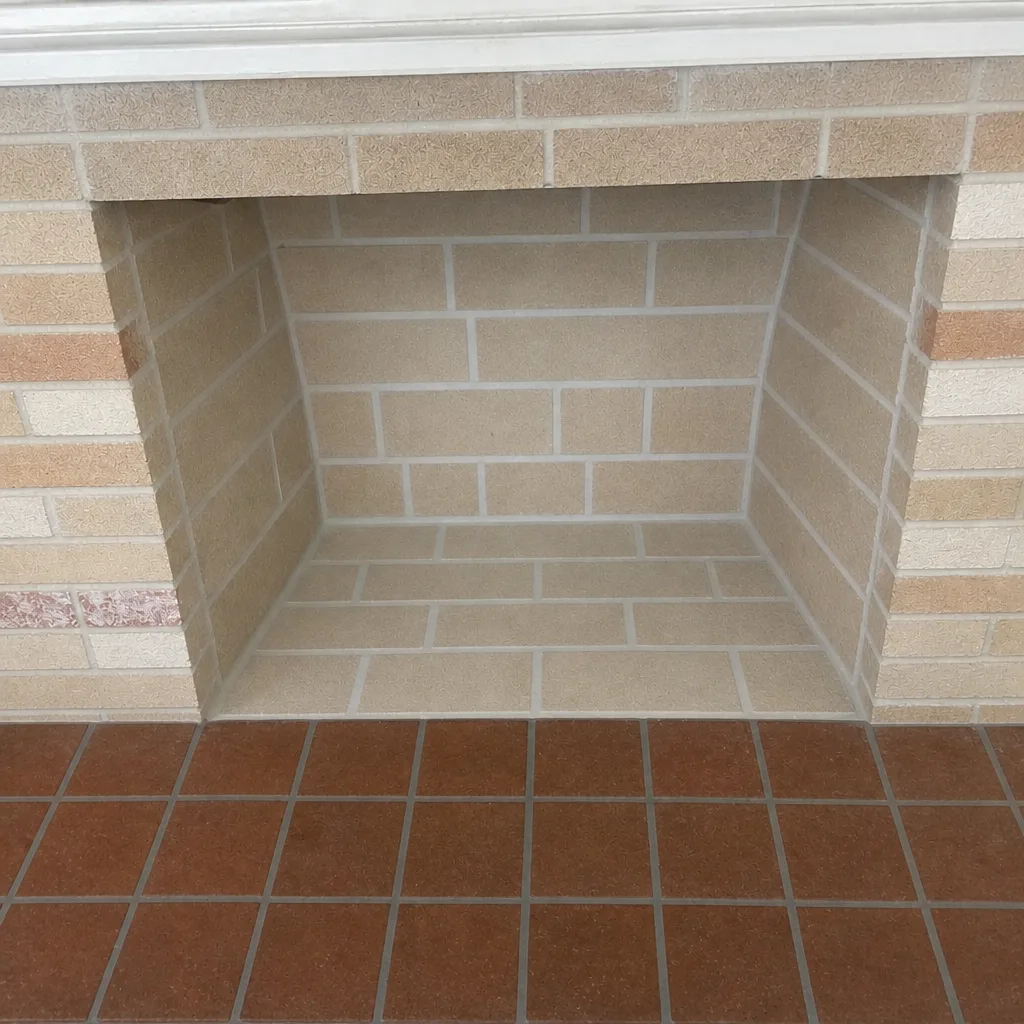
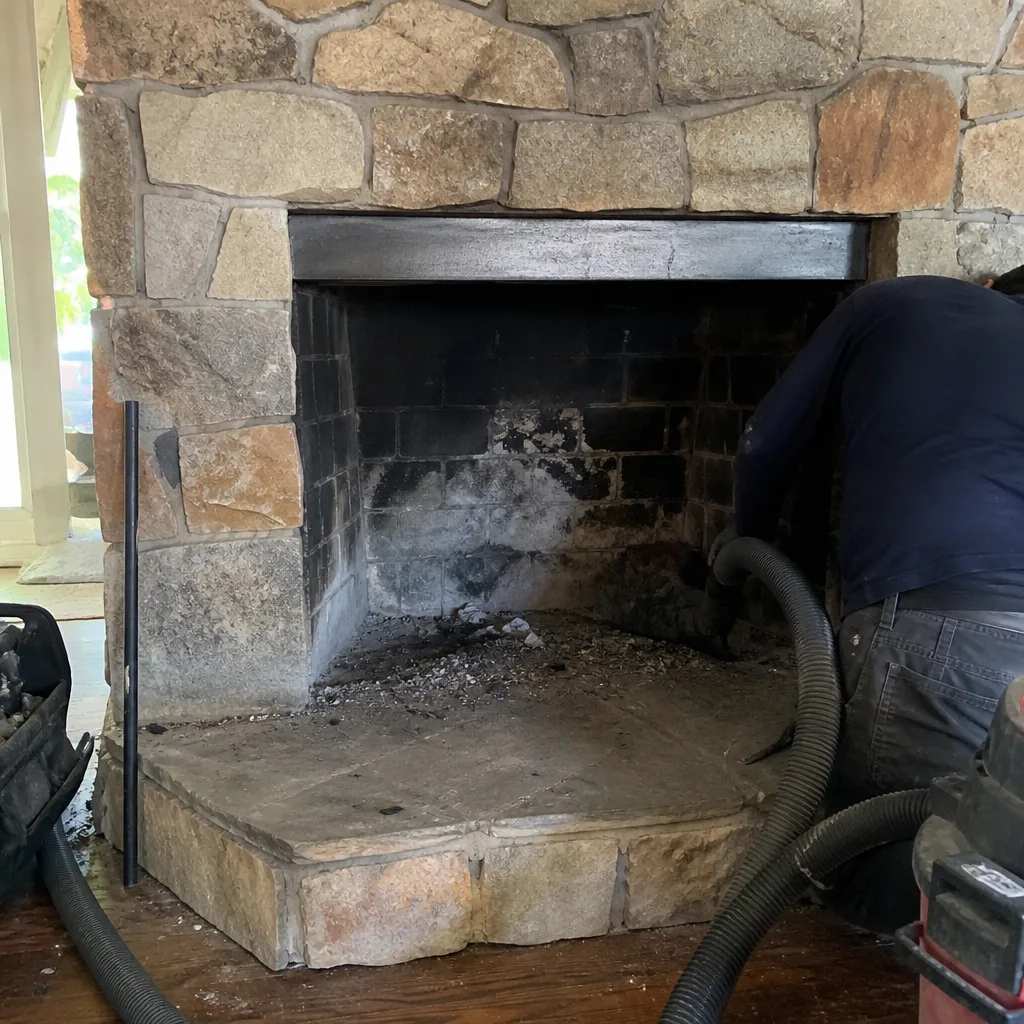
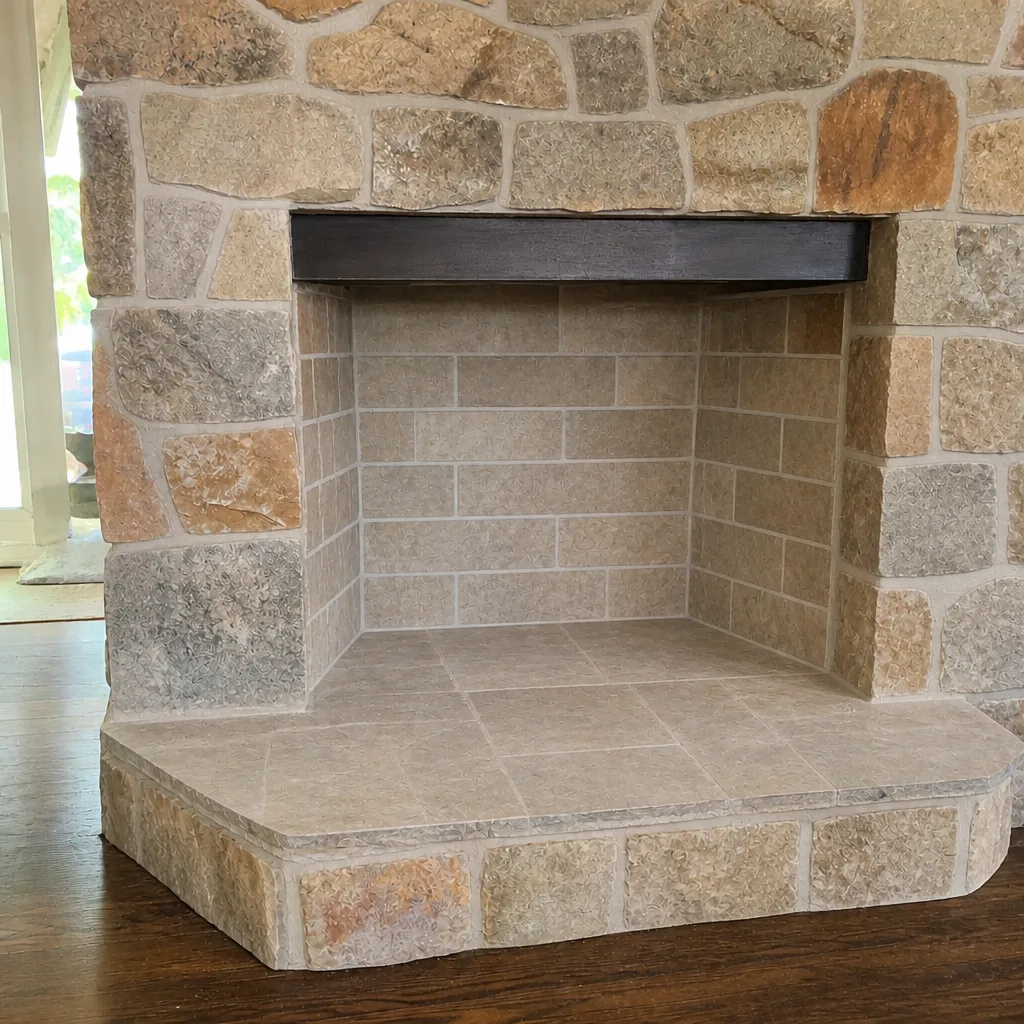
See the difference
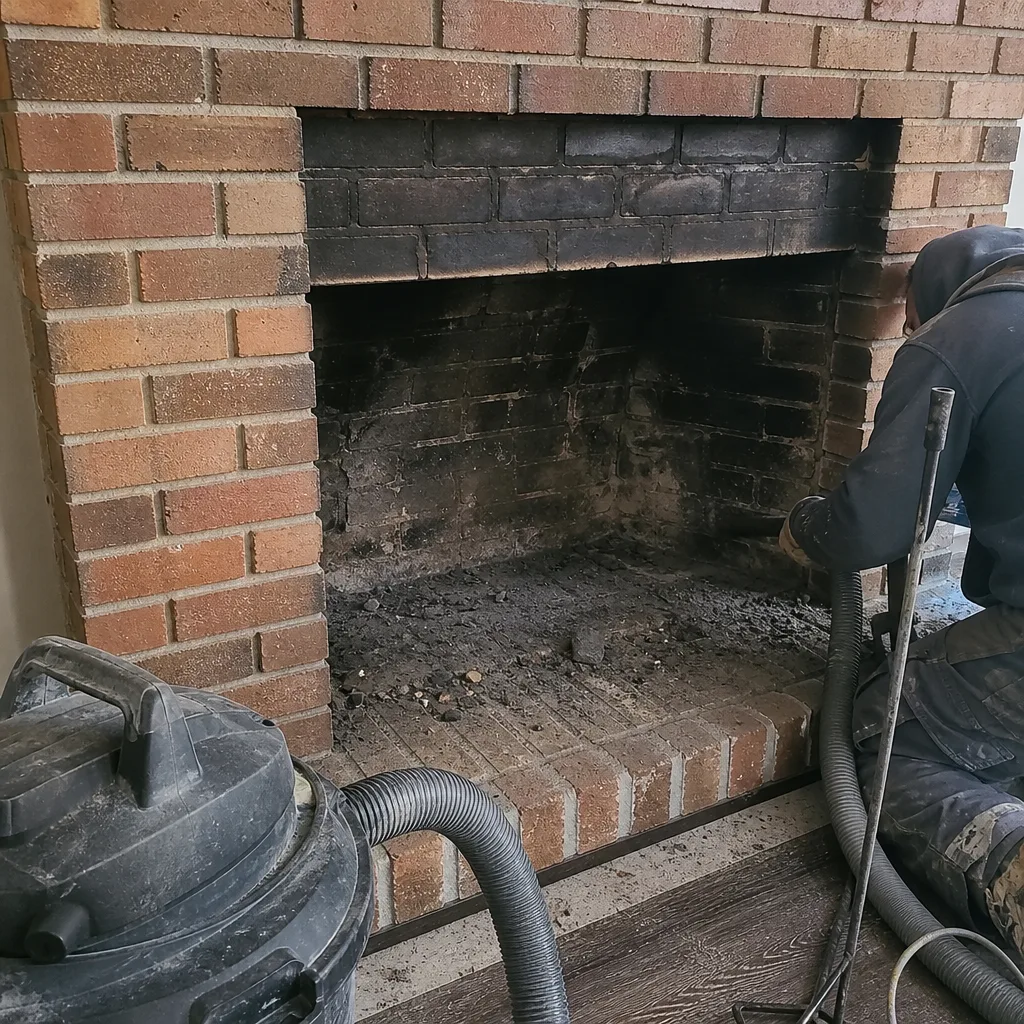 Before
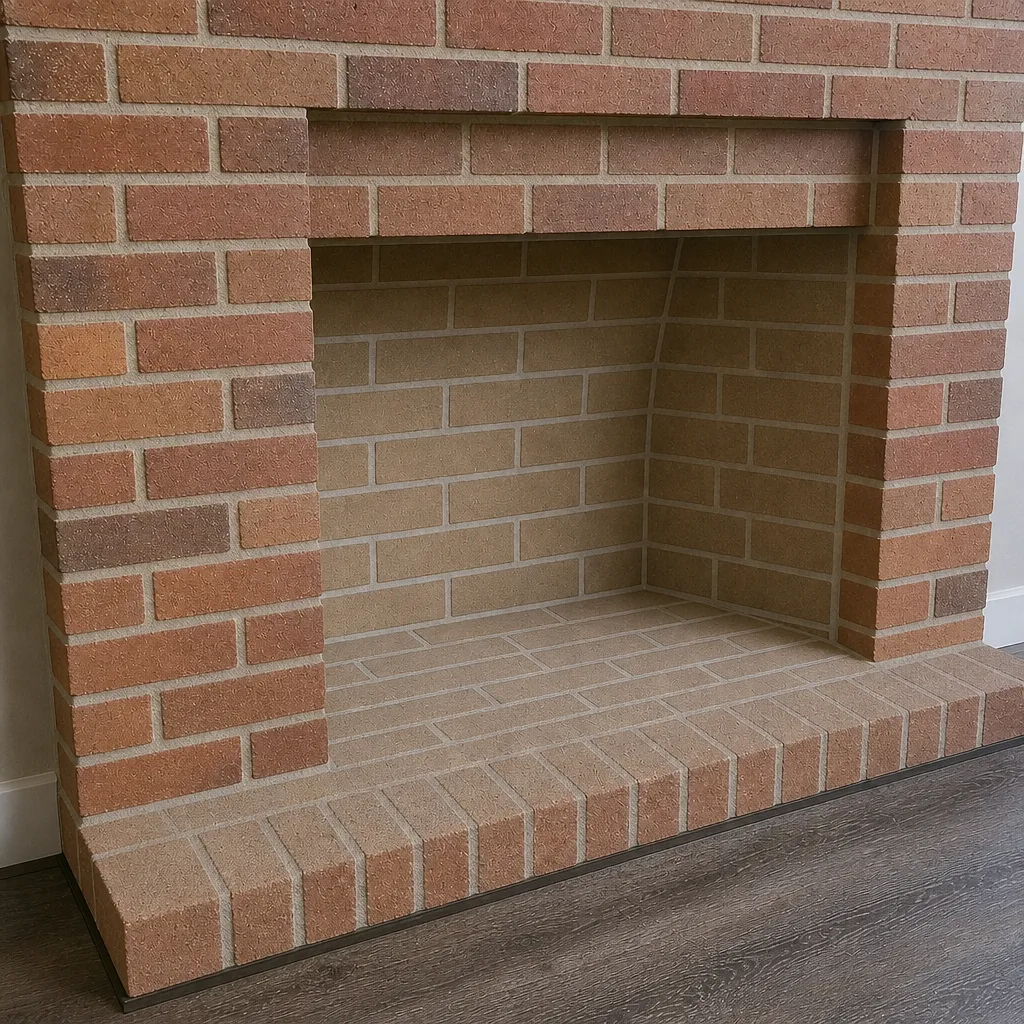 After
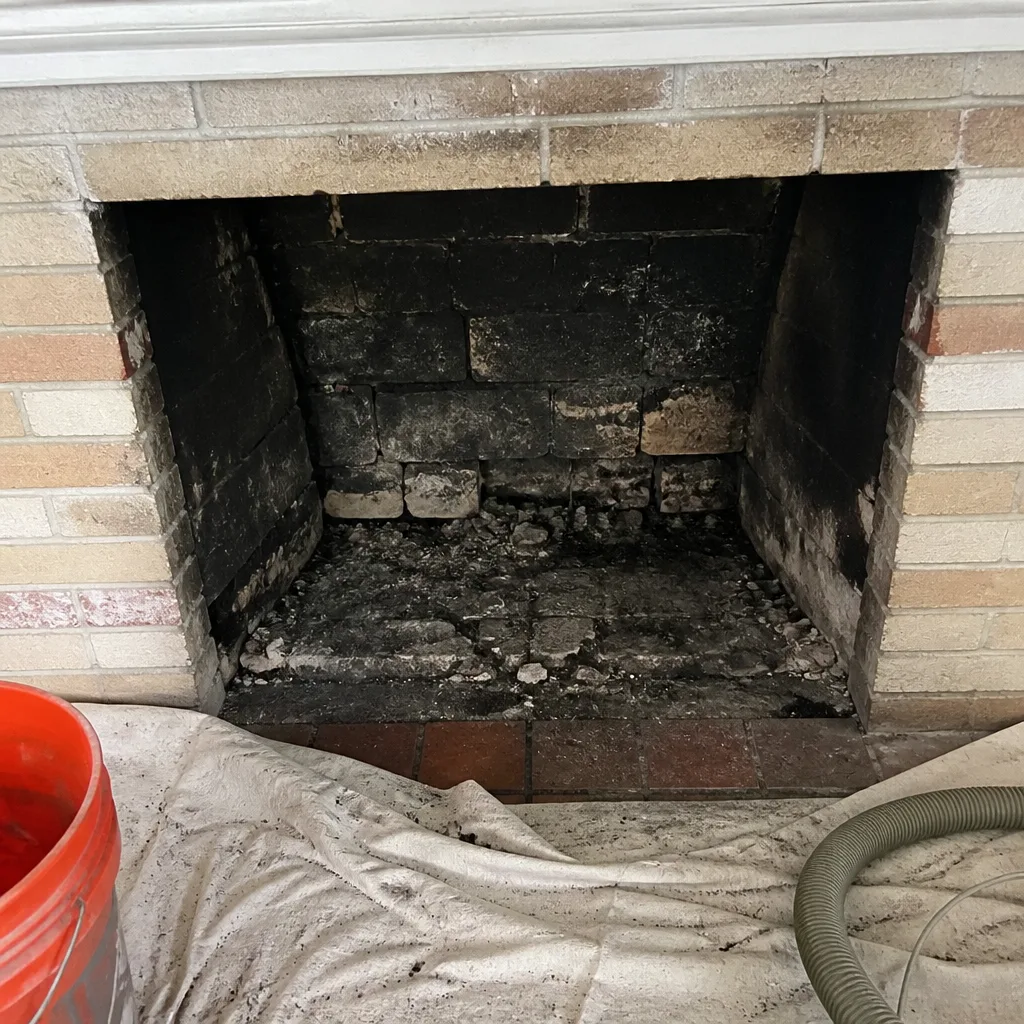 Before
 After
 Before
 After
When to Call a Professional
Some chimney issues are visible from the ground: a missing or damaged cap, visible spalling on the brick, a crown that’s cracked or crumbling, staining on the chimney face, or smoke drifting back into the room when you light a fire. Others only show up in an inspection: a hairline crack in the flue liner, a blocked flue from a bird nest, glazed creosote on the inside of a clay tile. Any of these is a reason to call a chimney specialist rather than a generalist. A wood-burning fireplace that hasn’t been inspected in a while, or a gas fireplace that was installed without checking the liner spec, is a reason to book a Level I or Level II inspection. Provo Chimney Sweep offers free estimates in Provo. Call (866) 330-1947. We answer 24/7. Fast dispatch from 7am to 7pm, Sunday through Friday.
Frequently Asked Questions
The brands that matter most are the ones matched to the job: DuraFlex for stainless flexible relining, HeatShield for liner resurfacing, and Gelco, Famco or Copperfield for chimney caps and crowns. For cleaning tools, professional rotary brush systems with the correct brush gauge for the flue type are what a specialist uses. Call (866) 330-1947 for an exact quote on your Provo home – estimates are free.
Pricing in Provo varies by flue type, how much creosote is present, and whether an inspection is included, so a price you find online doesn’t tell you much about your own job. The written estimate you receive before any work begins sets the final price. Call (866) 330-1947 for an exact quote – estimates are free.
Not every damaged flue needs a full liner replacement. If the flue is structurally sound and the issue is surface deterioration, a HeatShield resurfacing may extend its life. If the liner is broken through or the appliance needs a different alloy, a DuraFlex stainless liner is the more reliable path. The right answer depends on the camera footage, so ask to see the inspection. Call (866) 330-1947 for an exact quote – estimates are free.
The trade standard is an annual inspection, with sweeping as often as the inspection shows it’s needed. In a valley with real winter heating seasons, most wood-burning homes need a sweep roughly once a year, and gas appliances still need an annual inspection even though they produce less creosote. Call (866) 330-1947 for an exact quote – estimates are free.
Creosote accumulates on the flue walls over time and moves through the three stages from flaky to glazed. Glazed creosote is the stage associated with chimney fire risk, and it can’t be removed by brushing alone. A blocked or restricted flue also pushes carbon monoxide back into the home rather than venting it out. Call (866) 330-1947 for an exact quote – estimates are free.
A consumer brush will clean a small amount of soot from a straight flue, but it usually won’t reach the angles, bends, and liner fittings that a professional rotary system covers. It also won’t tell you what the inside of the flue looks like, which is the part that matters for fire and carbon monoxide safety. Call (866) 330-1947 for an exact quote – estimates are free.
Yes. Stainless steel caps hold up against snow load and freeze-thaw cycles where galvanized caps rust; heavier gauge resists denting; a properly fitted cap seals against the flue edge rather than sitting on a bracket. In Provo’s winter cycles, the difference between a named supplier cap and a hardware-store substitute shows up within a few seasons. Call (866) 330-1947 for an exact quote – estimates are free.
The Bottom Line
The brand question is really a specialization question. A chimney-only specialist can tell you which brush system they use on a stainless flue, which liner brand they install and with what alloy, whether HeatShield resurfacing is a fit, and which cap and crown products they use. A generalist can’t, because those aren’t their tools. DuraFlex, HeatShield, Gelco, Famco, and Copperfield are the brands we look to because the trade converges on them for a reason: they’re specified, they’re rated, and they’re warranted by the manufacturer. Our technicians have up to 10 years of experience across the full chimney lifecycle. We carry it, we install it, we stand behind it.
If you’re in Provo and you’ve been putting off the inspection, or you’ve got a quote in hand and you want a second opinion on the brand and the approach, call us. Call (866) 330-1947 for a free estimate. We answer 24/7. Fast dispatch from 7am to 7pm, Sunday through Friday.
Written by the team at Provo Chimney Sweep.