
Last updated November 25, 2026
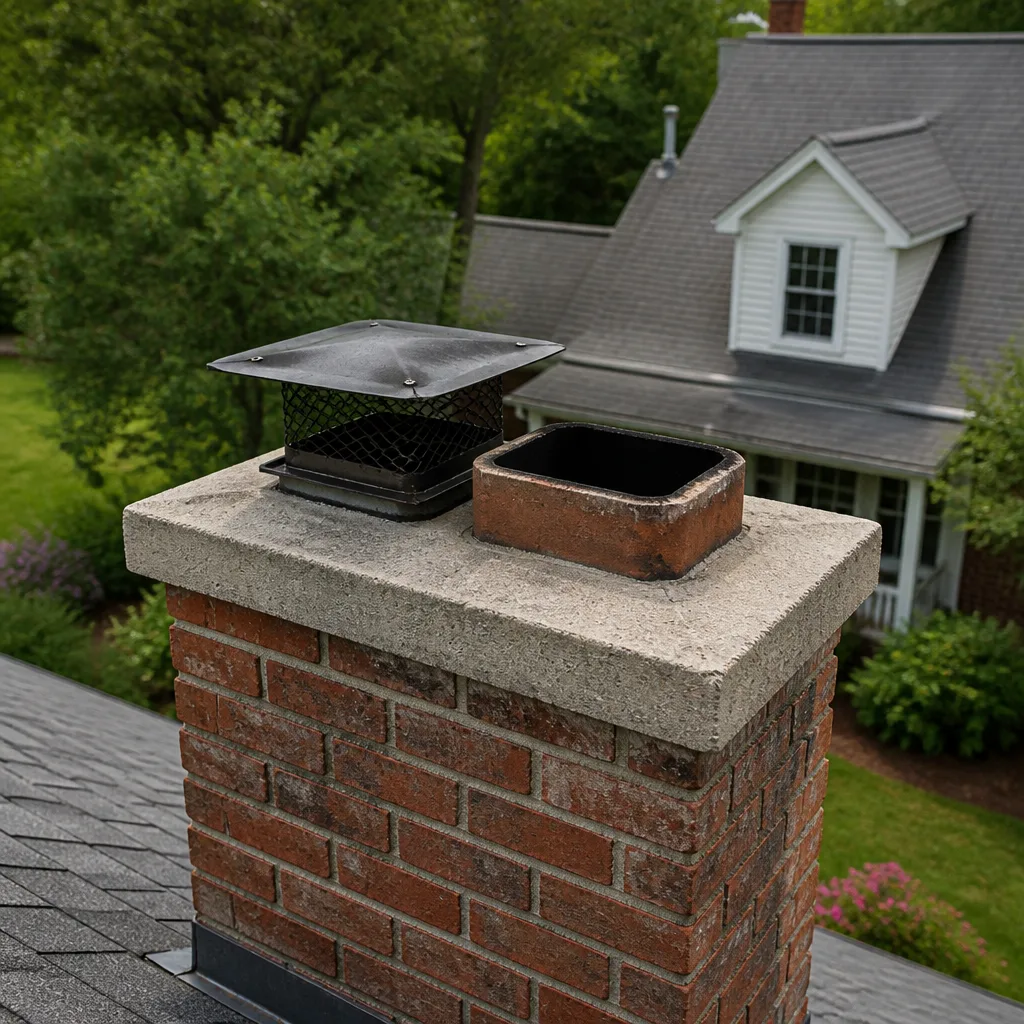 Sweep & inspection
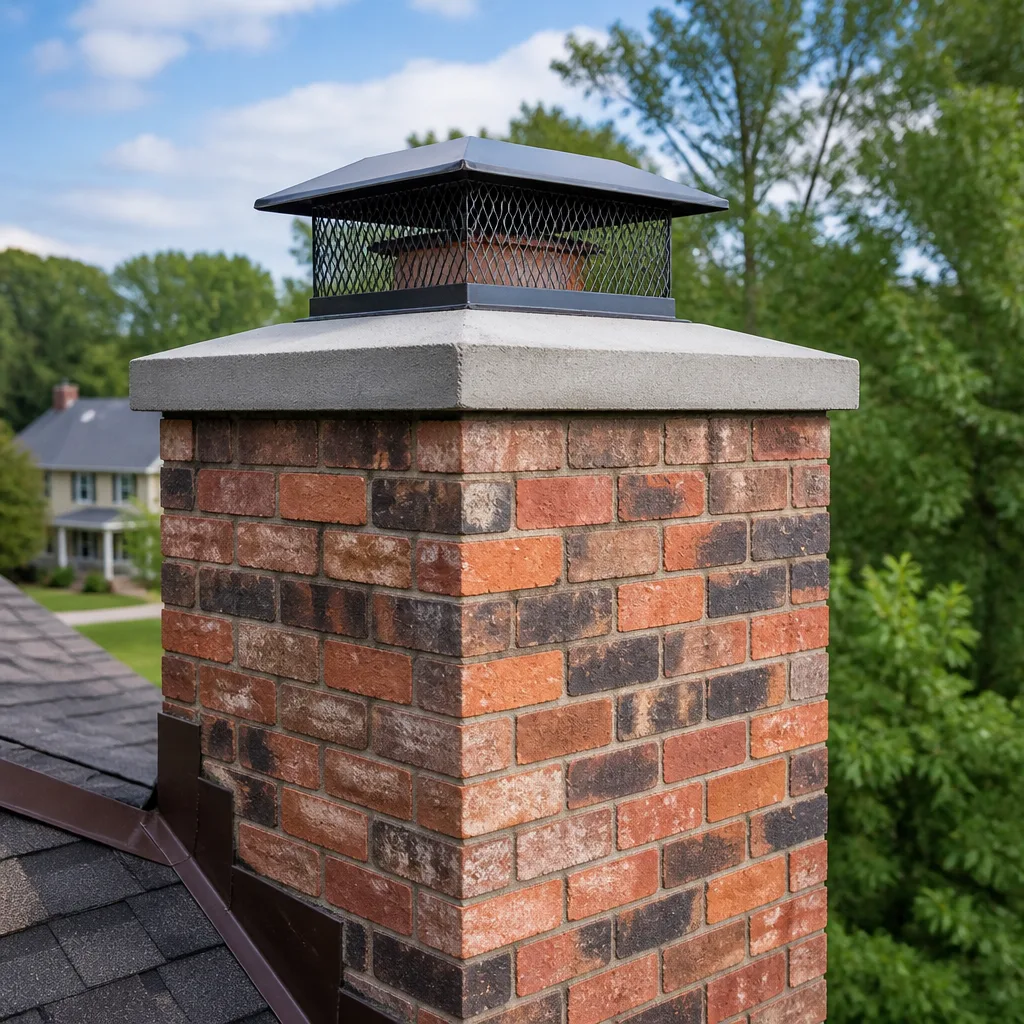 Caps & crowns
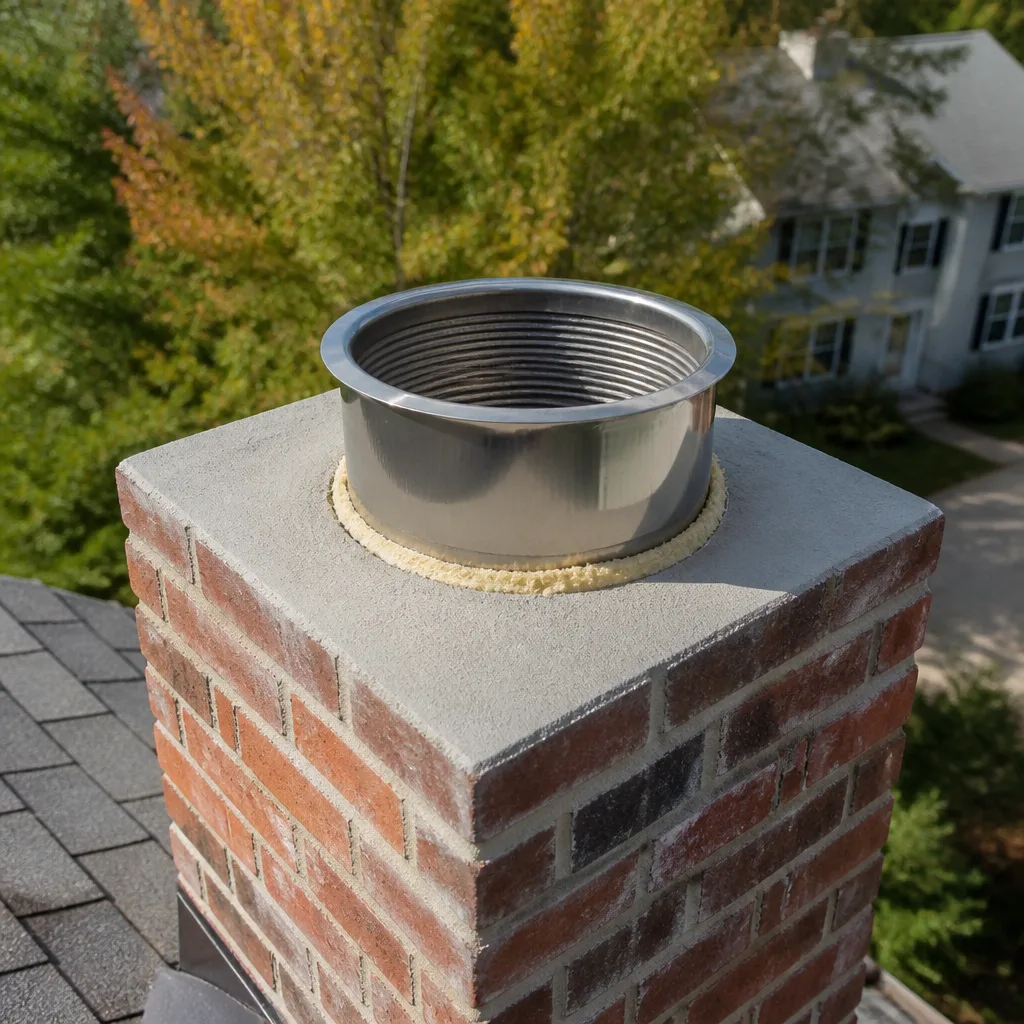 Flue relining
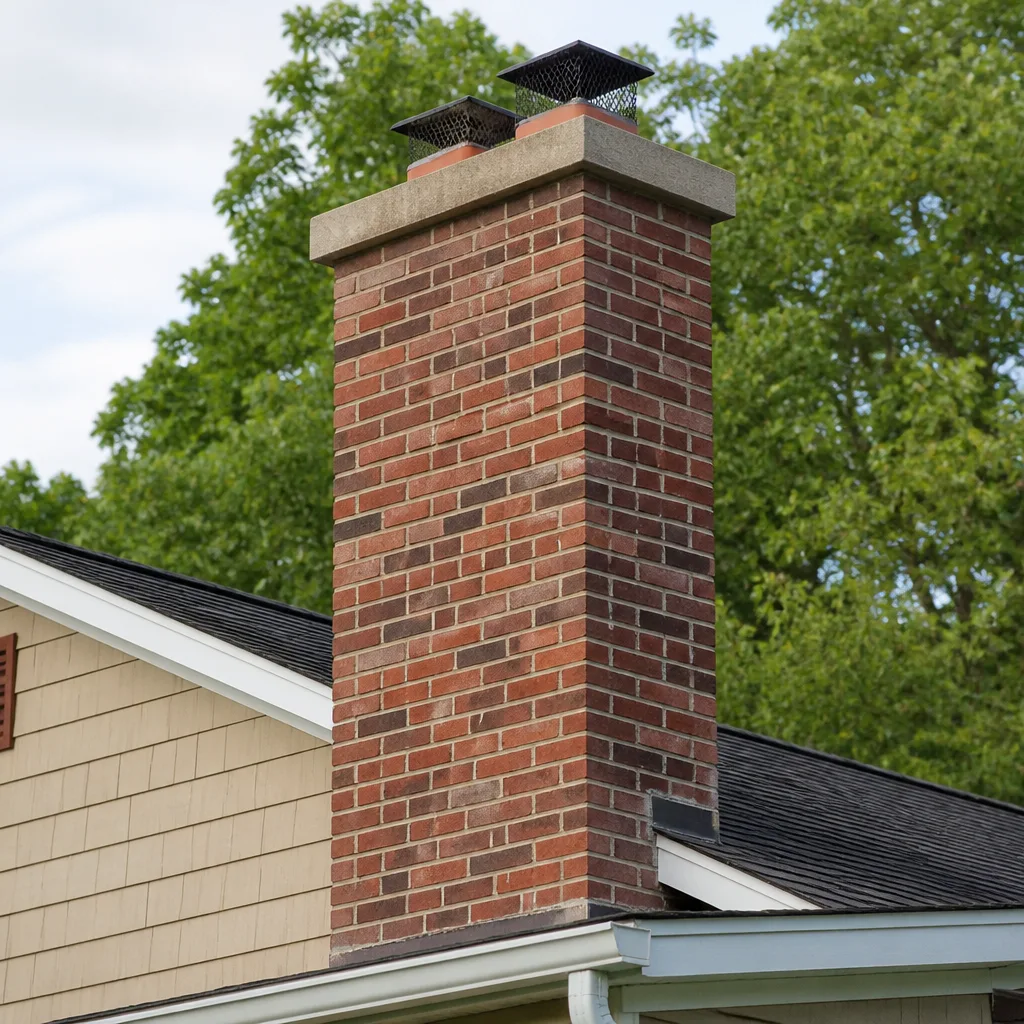 Masonry repair
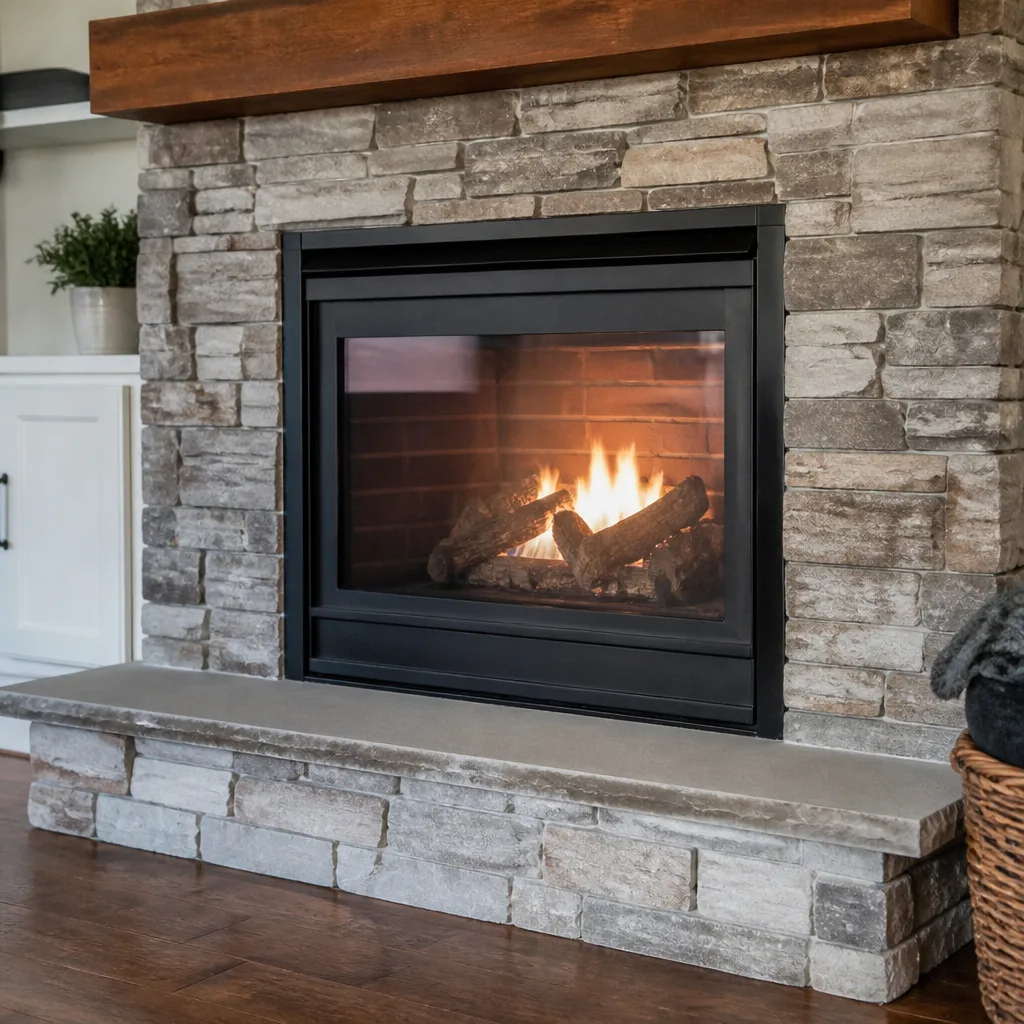 Gas fireplace service
Level 1 sweep and inspection to the NFPA 211 annual standard - flue, crown, cap, and flashing checked and photographed
Chimney sweep logs do not sweep chimneys. They loosen some creosote - which then falls where a brush and vacuum still have to collect it.
Chimney Cleaning Permits, Codes & Inspections in Provo, UT: What You Need to Know
Here’s the part most homeowners get wrong: replacing a deteriorated clay flue liner with a stainless steel relining system is one of the most common chimney jobs in Provo, and it’s also one that routinely gets done without the building permit Utah code requires. That gap doesn’t cause a problem the day the work is finished. It surfaces years later, at the worst possible moment, when a buyer’s inspector or appraiser asks for documentation on a liner that was swapped out with no paper trail. This guide draws the line precisely, using Utah and Provo municipal code, between a routine cleaning (which needs no permit) and structural chimney work (which does). You’ll learn what triggers a permit, what NFPA 211 actually mandates, how unpermitted work gets discovered during a sale, and who’s responsible for pulling the paperwork before anyone touches your flue.
Quick Answer
A routine chimney cleaning in Provo does not require a permit, but any structural work on the chimney system does: liner replacement, firebox reconstruction, crown replacement in most cases, and appliance conversions all fall under Provo City and Utah State building code permit requirements. Utah has adopted NFPA 211 as its standard for chimney inspection, and that standard calls for annual inspection and requires a liner to be structurally sound before the fireplace or wood stove is used. The permit is normally the contractor’s job to pull, but the homeowner is legally responsible for making sure it happened.
Styles & brands we work with
- Sweep & inspection
- Caps & crowns
- Flue relining
- Masonry repair
- Gas fireplace service
Table of Contents
- What Separates a Cleaning From a Permitted Repair?
- NFPA 211: The Standard Utah Actually Uses
- Inspection Levels I, II, and III, and When Each Applies
- How Unpermitted Chimney Work Gets Discovered
- Who Pulls the Permit, and How to Confirm It
- Why Provo’s Climate Makes This More Urgent
- Cleaning vs. Inspection: What Each One Actually Covers
- Common Mistakes to Avoid
What Separates a Cleaning From a Permitted Repair?
The dividing line is straightforward once you see it: a cleaning removes creosote and soot from the inside of an existing, undamaged flue, and a permit is not required. A repair alters, replaces, or reconstructs part of the chimney’s structural or venting system, and a permit generally is required. The trouble is that the two are often bundled into a single service call, and homeowners assume the whole appointment falls on the cleaning side of the line.
Under the building code Utah has adopted, structural alteration of a chimney flue or firebox is a permit-bearing activity. In plain terms, these jobs typically require a building permit in Provo:
- Flue liner replacement – pulling out a cracked clay tile and installing a stainless steel relining system from cuts into the chimney’s internal structure and is not a cleaning procedure.
- Firebox reconstruction – rebuilding mortar joints, replacing firebrick, or repairing the firebox floor changes a load-bearing masonry assembly.
- Appliance conversion – switching a fireplace from wood-burning to a gas insert, or changing the venting configuration of a wood stove, alters the venting system and falls under the code.
- Crown reconstruction – pouring a new crown or making a structural change to the chimney top is a masonry repair, not maintenance. A crack seal can go either way and is worth asking about.
A cleaning-only appointment never crosses that line, which is why a reputable sweep will inspect the flue before sweeping it, tell you plainly what they found, and separate the cleaning from any repair work in the written estimate. If a technician proposes liner work or firebox rebuilding during a routine cleaning without a written scope, a permit discussion, and the option to schedule it as a separate job, that’s a red flag.
NFPA 211: The Standard Utah Actually Uses
Utah has adopted NFPA 211, the Standard for Chimneys, Fireplaces, Vents, and Solid Fuel-Burning Appliances, as its benchmark for chimney inspection and integrity. That’s the technical document behind the code language you’ll see in Provo permit requirements, and it does three things that matter to any homeowner with a fire burning in the box:
- It sets inspection frequency. NFPA 211 recommends chimneys, fireplaces, and vents be inspected at least annually and cleaned as needed. That’s the “annual inspection” every insurance policy and every real estate inspector points back to.
- It defines liner integrity. A flue liner must be continuous, free of cracks, and correctly sized for the appliance it vents. A deteriorated liner is a code violation whether or not the chimney drafts well today.
- It establishes inspection levels. Level I, II, and III inspections each cover a different scope, and the level required depends on what’s being done to the chimney (more on that below).
Why does this matter for a permit discussion? Because the permit is issued against a standard, and the standard is what defines a compliant liner. When a Provo homeowner pulls a permit to reline a flue, the inspection that closes out the permit is checking the liner against NFPA 211 requirements. So a liner installed without a permit isn’t just undocumented; it’s never been checked against the standard Utah has written into its code.
Chimney-only specialists work from this standard daily and can tell you, from a visual and camera inspection, whether your existing clay tile liner meets it or falls short. Our technicians have up to 10 years of experience, and their routine is inspect before you sweep and repair before you light.
Inspection Levels I, II, and III, and When Each Applies
NFPA 211 splits inspections into three levels, and knowing which one you need saves both time and money. Most cleanings in Provo are covered by a Level I, but a real estate transaction or a change to the fireplace pulls in Level II, and Level III is the deepest.
- Level I (routine): A visual check of readily accessible portions of the chimney exterior and interior, without tools that require disassembly. Appropriate for a chimney in continuous service, in the same appliance, with no known problems, when it’s due for its annual cleaning. This is what a straightforward chimney sweep appointment includes by default.
- Level II (the transaction level): Adds a video camera scan of the flue interior and access to concealed spaces via accessible attic and crawlspace openings. Required when the property changes hands, when the appliance changes (a new insert, a replacement wood stove), after an operational problem like a chimney fire or smoke backdraft, or when the flue is relined. A Level II is what a buyer’s agent or real estate inspector is looking for, and it’s what turns up an unpermitted reline.
- Level III (diagnostic): Involves dismantling or removing portions of the chimney to access concealed areas and is reserved for investigating a known hazard that lower-level inspections can’t resolve. Rare, but occasionally necessary after a severe event.
Here’s the point most homeowners miss: an inspection that exposes a defect and results in a recommendation for a repair is not a permit. The recommendation itself always needs a permit. That distinction trips people up because the inspection and the repair can happen on the same visit if the job is small enough; the permit has to be pulled and closed out separately, on its own timeline.
How Unpermitted Chimney Work Gets Discovered
Unpermitted chimney work surfaces in the same handful of places every time. Knowing them lets you avoid the problem on the front end, or fix it early if you suspect it’s already there.
- The pre-sale home inspection. A buyer’s inspector looks for the documentation trail: the original permit for any reline or firebox reconstruction, and the inspection sign-off. If the liner is stainless and there’s no permit record, the buyer’s agent will flag it, and the negotiation stalls.
- The appraiser’s observation. Appraisers call out chimney and fireplace upgrades that show evidence of change with no supporting permit record. This is sometimes framed as an “unpermitted improvement” that can affect financing.
- The chimney sweep’s camera. The next sweep after the sale scans the flue and finds a liner system that doesn’t match the original construction or shows mismatched fittings. That’s the moment the new owner learns the reline was never permitted.
- An insurance claim or denial. If a chimney fire or a related loss is traced to a defective liner, an insurer can ask for proof that the liner was installed to code. A missing permit record can complicate the claim.
- The next permit applicant. When a roofer or remodeler pulls a permit for adjacent work and the county or city check reveals unpermitted chimney work at the same address, the discovery process begins.
Remediation isn’t always dramatic. In many cases, a homeowner can close out an unpermitted reline by getting a specialist to inspect it and, if it meets NFPA 211, requesting a retroactive inspection from Provo City’s building department. If it doesn’t meet the standard, the liner gets replaced, and that’s the expensive version of the story. The takeaway: pull the permit at the time, and the paper trail exists when you need it.
Who Pulls the Permit, and How to Confirm It
Both a contractor and a homeowner can legally pull a building permit in Provo, and which one does depends on the arrangement. The convention in the trade is that the contractor doing the work pulls the permit under their contractor license, because a permit pulled by the contractor ties the inspection to the licensed party who did the work. When the company handling your chimney repair is properly licensed and set up to pull permits, the permit and inspection cost gets built into the written estimate, and you never have to touch the paperwork.
Some homeowners prefer to pull their own permits to save the contractor’s markup. That’s legal, but it shifts the “call for inspection” duty and any responsibility for code compliance onto you. Our recommendation: let the contractor pull it, and verify it happened.
Here’s how to confirm the permit was actually pulled and the work signed off:
- Ask for the permit number before any work begins. A legitimate contractor can provide it. If they’ll “pull it later,” or once the work is already underway, that’s not the same thing.
- Check the record with Provo City’s building department. You can look up permits by address or by contractor at the office over the phone or online, and confirm what’s been issued and whether the inspection has been scheduled or passed.
- Confirm the contractor’s name on the permit matches who’s doing the work. A mismatch is a warning sign that the permit was pulled by someone else, or the work is being subcontracted.
- Get a copy of the sign-off for your records. Store it with the appliance documentation and any receipt. It’s the proof a future buyer wants to see.
This is one of the practical advantages of working with a chimney-only specialist. Single-trade focus means the permit workflow is routine, not an unusual step the generalist has to look up. Provo Chimney Sweep handles diagnosis through completion, and there’s no subcontracting of specialty chimney work.
Why Provo’s Climate Makes This More Urgent
Provo sits in the Utah Valley against the Wasatch Mountains, with cold enough winters that most homes here run a fireplace or wood stove as a meaningful heat source through the burning season, not just an occasional weekend fire. That annual duty cycle accelerates creosote buildup and stresses the flue liner year over year. The fireplace in a Provo home does more work than the same fireplace would in a milder climate, which makes the annual inspection cycle more important, not less.
The valley’s freeze-and-thaw cycles are also hard on the masonry exterior. Water gets into hairline cracks in the crown or at the chimney top, freezes overnight, expands, and widens those cracks over the course of a few winters. That’s how a crown that looked fine one spring ends up with a serious crack two springs later, and how interior moisture finds its way to the clay liner and sets up the spalling that eventually calls for a reline. Wood-burning appliances running through a cold Utah Valley winter don’t always get the draft they need when the flue is undersized or restricted, and chimney draft problems are common around Provo for exactly that reason.
The practical upshot: schedule the annual inspection before burning season starts, not after you’ve noticed smoke rolling back into the room. If the inspection turns up a defective liner, you’ll know before the first cold night, and any permitted repair can happen before you’re relying on the fireplace for heat. The trade expression sums it up: inspect before you sweep, repair before you light.
Cleaning vs. Inspection: What Each One Actually Covers
These two services are often sold as one thing, and they’re not. Knowing the difference tells you when you’re looking at a $150 cleaning and when you’re looking at a diagnostic scan whose results might call for a permit-bearing repair.
A cleaning is a removal service. It takes out creosote, soot, and any debris from the firebox, smoke chamber, and flue. It’s maintenance, requires no permit, and is what a fireplace needs on a periodic schedule. A chimney sweeping also should not include any structural alteration; if a technician proposes a repair during a cleaning, the repair should be scoped separately with its own written estimate.
An inspection is an assessment service. It evaluates the flue liner’s condition, the smoke chamber and firebox, the damper, the cap and crown, and the chimney’s exterior. Level I is the visual portion. Level II adds a camera scan and concealed-space access. The inspection’s output is a condition report, and where it recommends repair, the work that follows is typically permit-bearing. Remember that the inspection doesn’t imply you need the repair; it tells you whether the liner is compliant and what, if anything, is needed to make it so.
In our experience, the number of homeowners who are surprised by how much the inspection reveals is high. It’s the reason a professional inspection is worth doing before the cleaning, not after. If you’ve been putting off the inspection, or if you’ve never had one done on a home you bought, that’s the first appointment to make. Provo Chimney Sweep offers the full range of CSIA-recognized service categories, from sweeping through inspection, fireplace repair, liner work, and cap and crown installation, so the diagnostic piece and the repair piece live under one company.
Common Mistakes to Avoid
- Assuming a cleaning and a repair are the same appointment. A cleaning is not permit-bearing; a liner replacement is. If a technician proposes one after the other without separating them in the estimate and discussing the permit, ask why. A specialist will treat them as two jobs.
- Letting a contractor “handle the permit later” after the work is done. A permit pulled after the fact can still be closed out, but it’s harder to prove compliance and it’s a red flag about how the contractor operates. The permit gets pulled before the work begins, and you should ask for the number before that point.
- Pulling your own permit to save on the contractor’s markup. Legal, but it makes you responsible for the inspection call and for proving compliance to code. Unless you want that job, let the contractor pull it.
- Skipping the inspection because the fireplace still drafts fine. A deteriorated liner and a smoothly drafting fire can coexist for years. The annual inspection is how you find out the liner is failing before the fire has a problem lighting, not after.
- Treating a 10-year-old reline as automatically code-compliant. If the reline was done without a permit, it was never inspected against NFPA 211. The only way to know is a Level II camera scan and a look at the permit record for that address.
- Accepting a “new liner” quote with no code standard attached. A proper reline estimate names the system (like a DuraFlex stainless flexible relining system or a HeatShield resurfacing product), states the liner size and type, and notes that a permit and final inspection are part of the scope. If the quote doesn’t, ask.
- Ignoring the chimney crown as “just cosmetic.” A failing crown lets water into the masonry, and that water is what deteriorates the liner over time. A crowned and capped chimney is a drier chimney and a longer-lived one.
See the difference
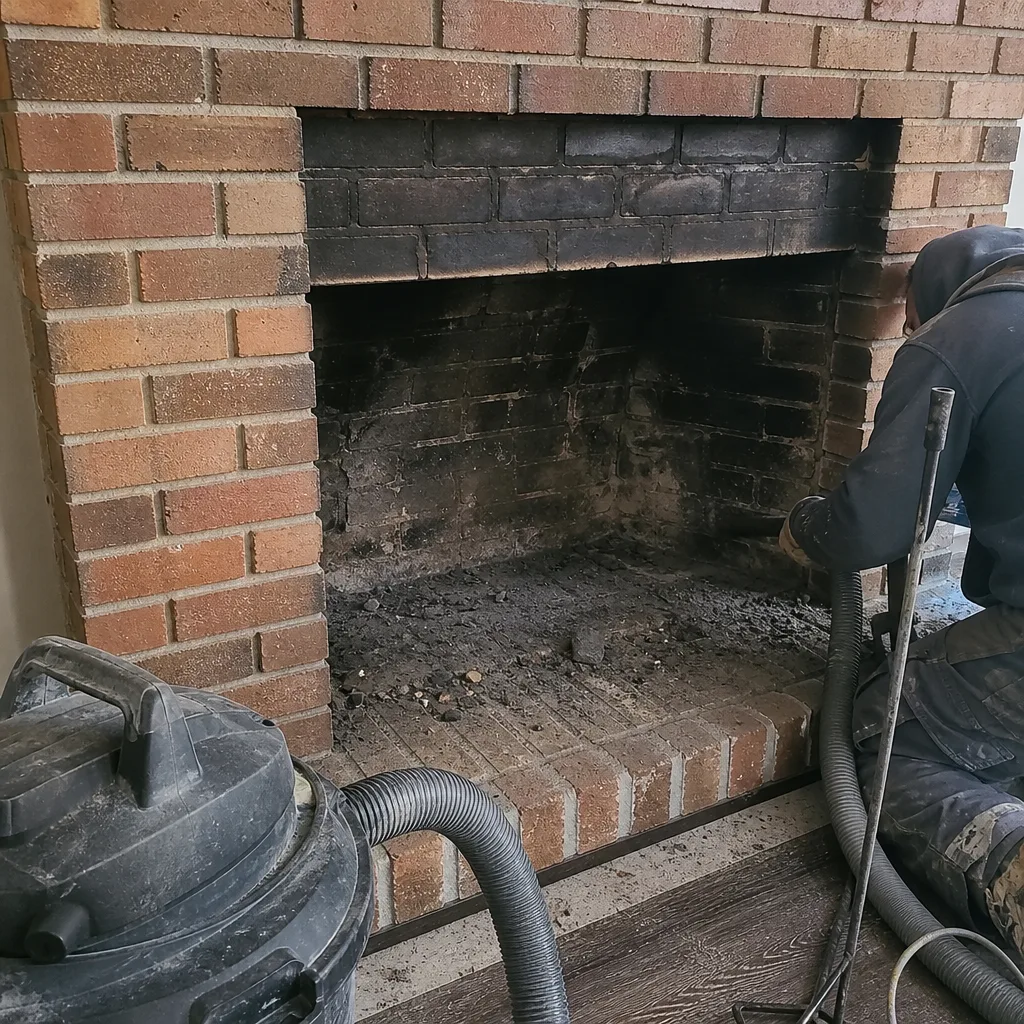 Before
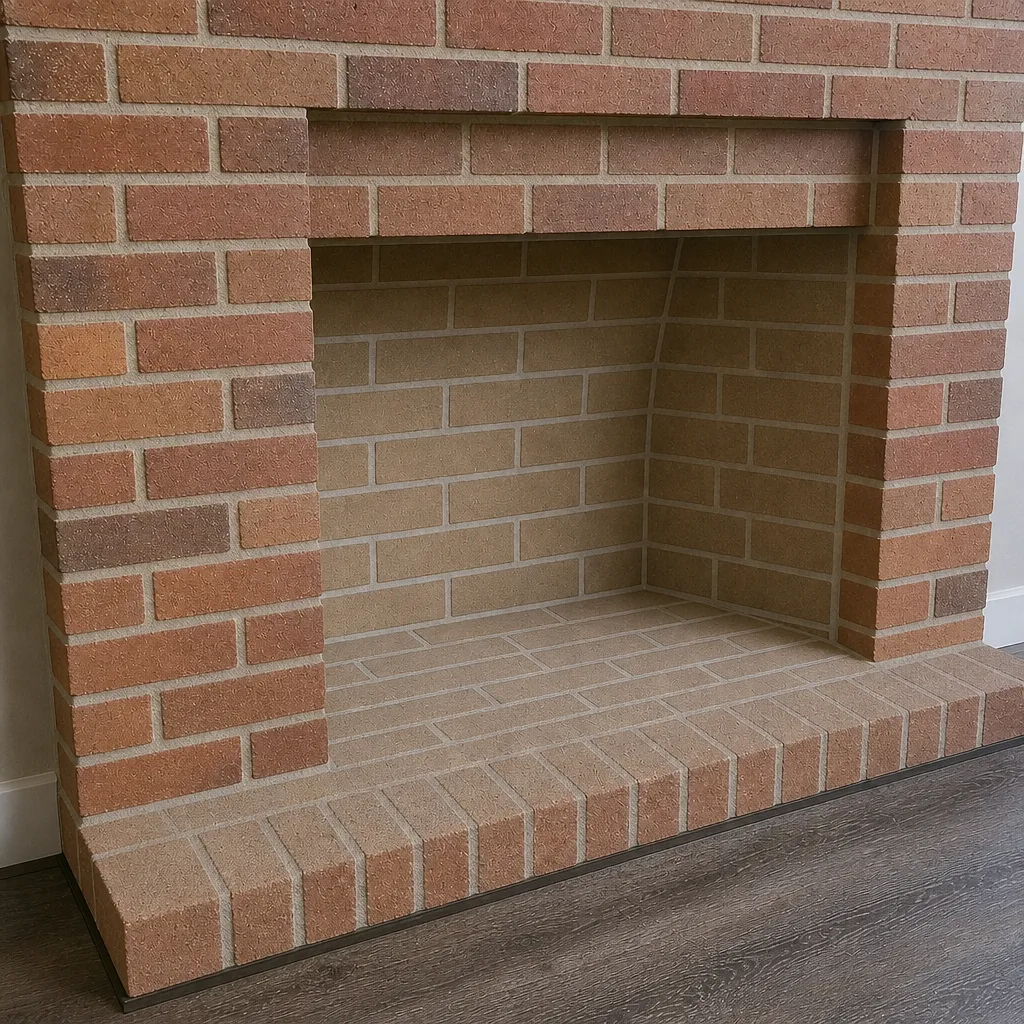 After
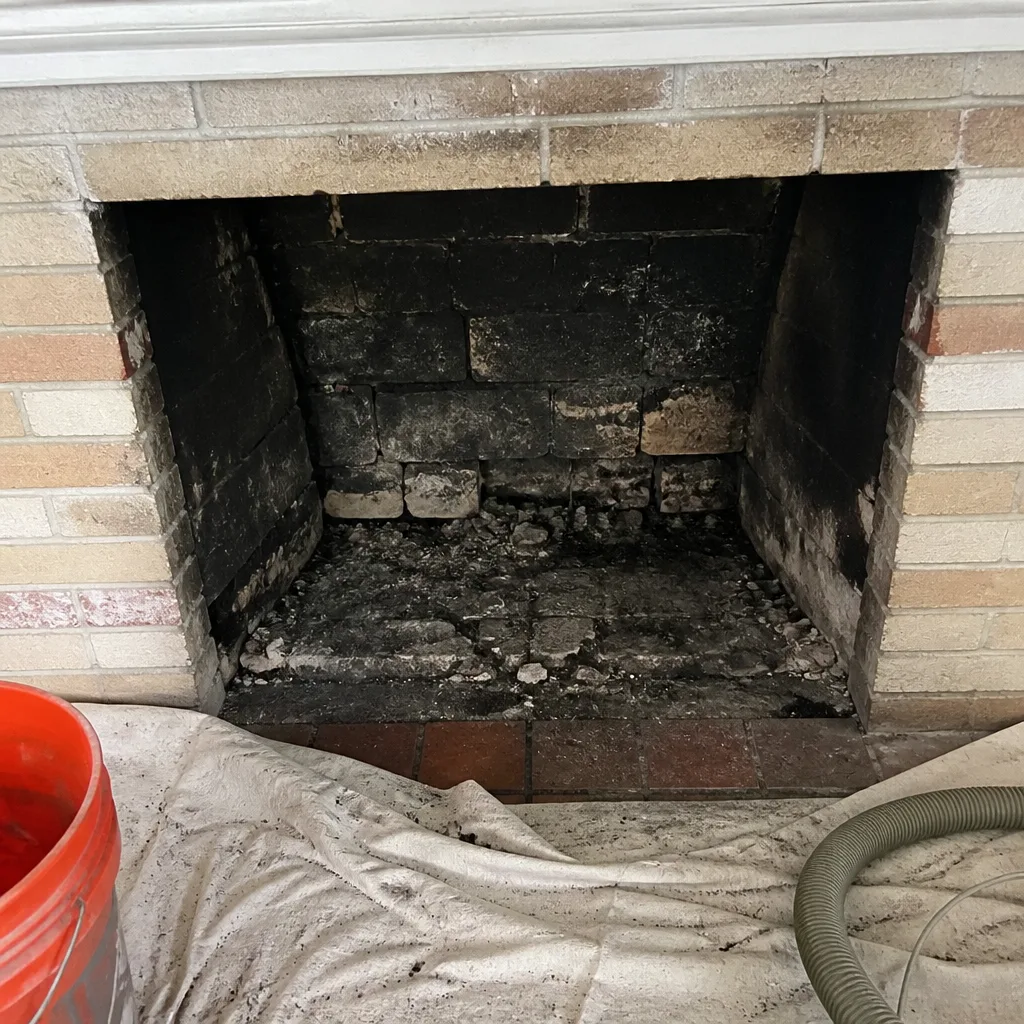 Before
 After
 Before
 After
When to Call a Professional
Call a chimney specialist when the work moves beyond a routine cleaning. The clearest signals: the flue has never had a Level II inspection, a home inspection flagged the liner, you’re buying or selling a Provo home and the seller can’t produce a permit record, you’re converting a wood fireplace to gas, the crown or firebox shows visible cracking or spalling, or smoke tends to come into the room on cold starts. A licensed and insured local pro should inspect before the sweeping and tell you what’s needed, with the standard (NFPA 211) named if a repair is called for. Provo Chimney Sweep offers free estimates in Provo. Call (866) 330-1947. We answer 24/7. Fast dispatch from 7am to 7pm, Sunday through Friday. Our technicians have up to 10 years of experience, and they’re chimney specialists, not a generalist trade.
Frequently Asked Questions
No. A routine chimney cleaning removes creosote and soot from an existing, undamaged flue and does not require a permit. A permit is required when the work involves structural alteration of the chimney system, such as liner replacement, firebox reconstruction, or appliance conversion. Provo Chimney Sweep scopes cleanings and repairs separately so the two don’t get blurred.
Yes. Liner replacement is a structural alteration of the flue and falls under Provo City and Utah State building code permit requirements. Utah has adopted NFPA 211, which governs liner integrity, and a permitted reline gets inspected against that standard. If you’re replacing a deteriorated clay liner with a stainless steel relining system, ask for the permit number before work begins. Call (866) 330-1947 for a free estimate.
The contractor normally pulls the permit, and the homeowner is responsible for confirming it happened. In Provo both parties can legally pull a building permit, but a permit pulled under the contractor’s license ties the inspection to the licensed party that performed the work. Get the permit number in writing before work starts, and confirm the sign-off after. Call (866) 330-1947 with questions about scope.
Unpermitted chimney work becomes a problem at home inspection, appraisal, or insurance claim time, when a buyer’s inspector or an insurer asks for the paperwork. In some cases, a specialist can inspect the existing liner against NFPA 211 and help you close out a retroactive permit with the Provo City building department. If the liner fails, it gets replaced. Call (866) 330-1947 for an assessment.
NFPA 211 recommends chimneys, fireplaces, and vents be inspected at least annually and cleaned as needed. Utah has adopted NFPA 211 as its chimney standard, so the annual inspection requirement is the technical benchmark behind most inspection requirements you’ll hear about. A Level I inspection covers a routine annual check. Call (866) 330-1947 to schedule one.
No. The permit requirement doesn’t depend on a pending sale; it depends on the scope of work. The sale just happens to be when the missing paperwork most often surfaces. Liner replacement requires a building permit under Utah and Provo code whether or not you plan to sell. Get the permit pulled properly, and the paper trail exists when you need it. Call (866) 330-1947 for details.
The Bottom Line
Most routine chimney cleanings in Provo don’t need a permit, but structural chimney work does, and the line between them is one every homeowner should be able to see for themselves. Liner replacement, firebox reconstruction, appliance conversion, and crown work fall under Provo City and Utah State building code permit requirements. NFPA 211, adopted as Utah’s chimney standard, defines what a compliant liner looks like and calls for annual inspection. The permit is normally the contractor’s job to pull, but confirming it happened is the homeowner’s. Get the permit number before work starts, verify the sign-off after, and the unpermitted-work problem that surfaces at sale time never happens. Written by the team at Provo Chimney Sweep.
Chimney-only specialists handle the full lifecycle, from inspection and sweeping through liner work, Provo Chimney Sweep, and cap and crown installation. Provo Chimney Sweep sources and installs professional-grade parts from brands like DuraFlex and HeatShield, so the right liner goes in correctly the first time and gets documented properly. Call (866) 330-1947 for a free estimate. We answer 24/7. Fast dispatch from 7am to 7pm, Sunday through Friday.
Written by the team at Provo Chimney Sweep.