
Last updated November 25, 2026
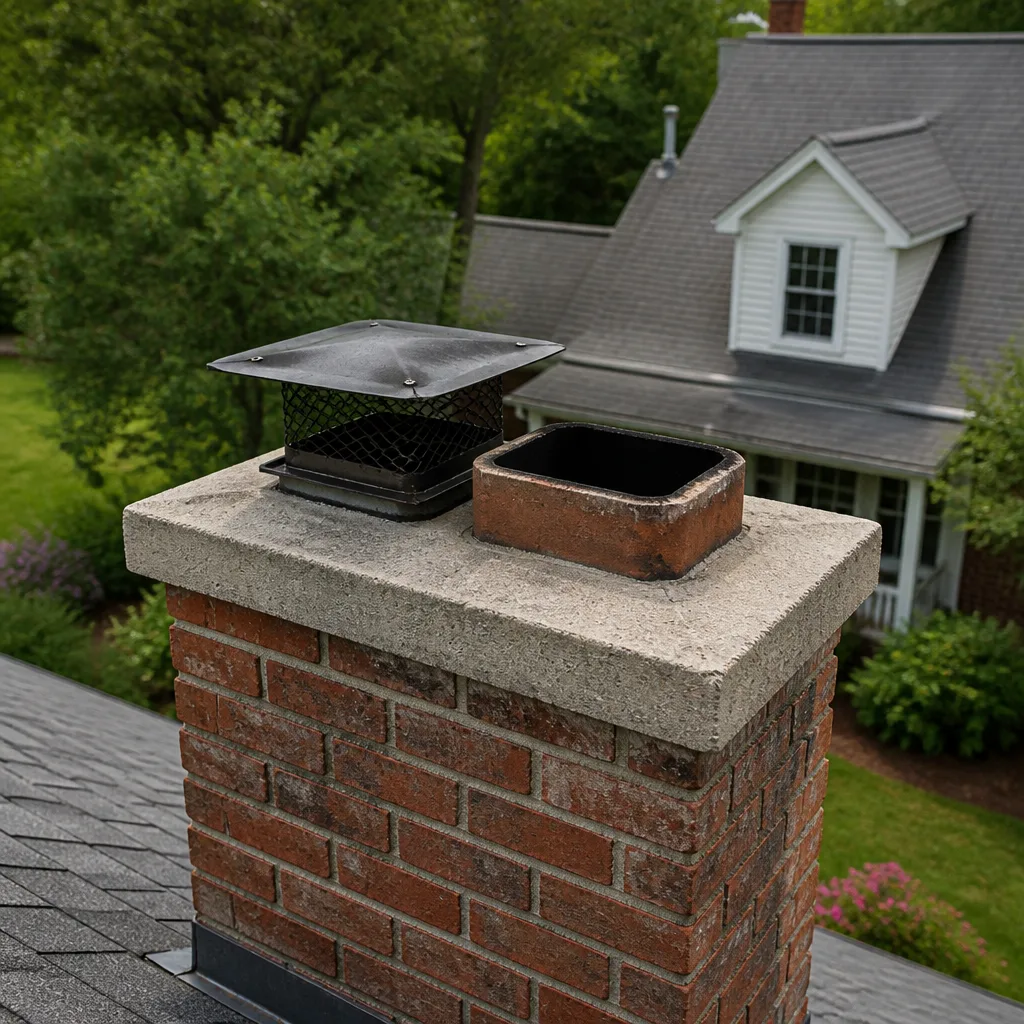 Sweep & inspection
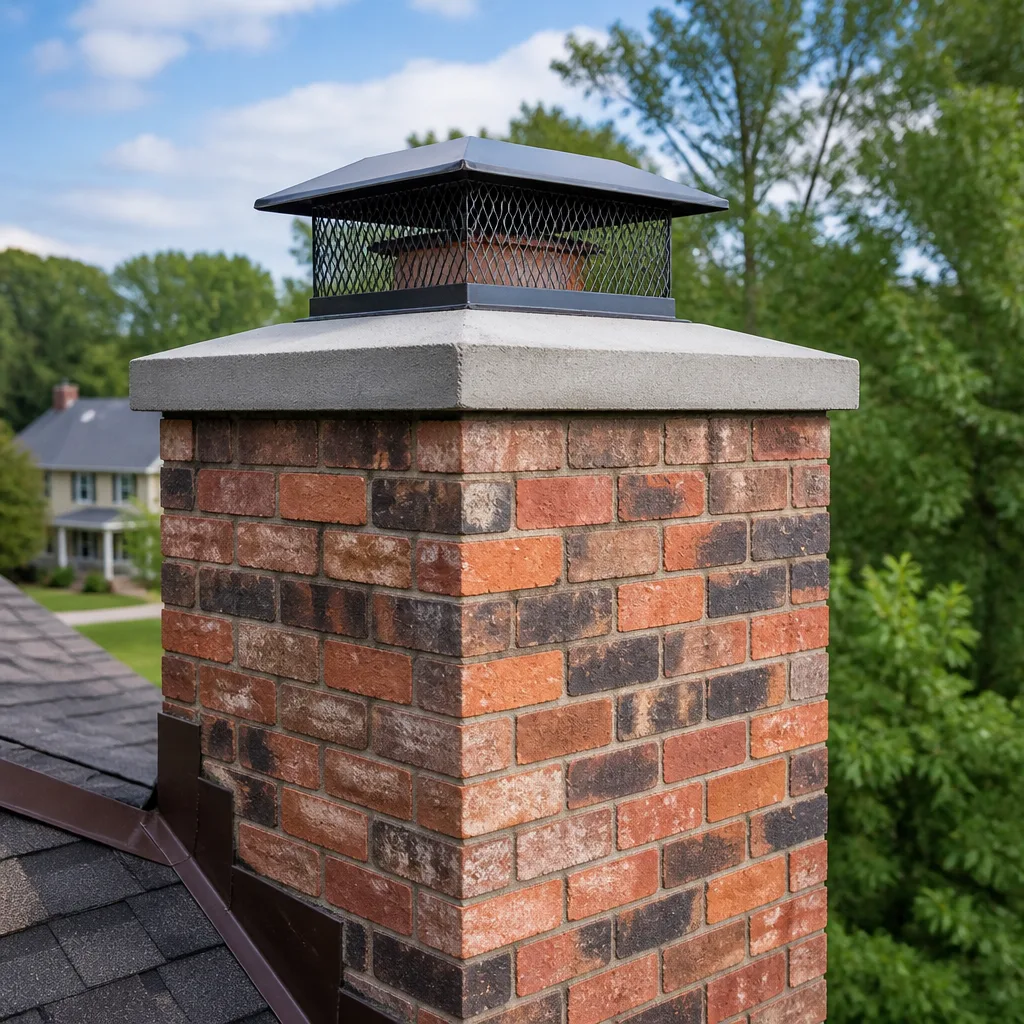 Caps & crowns
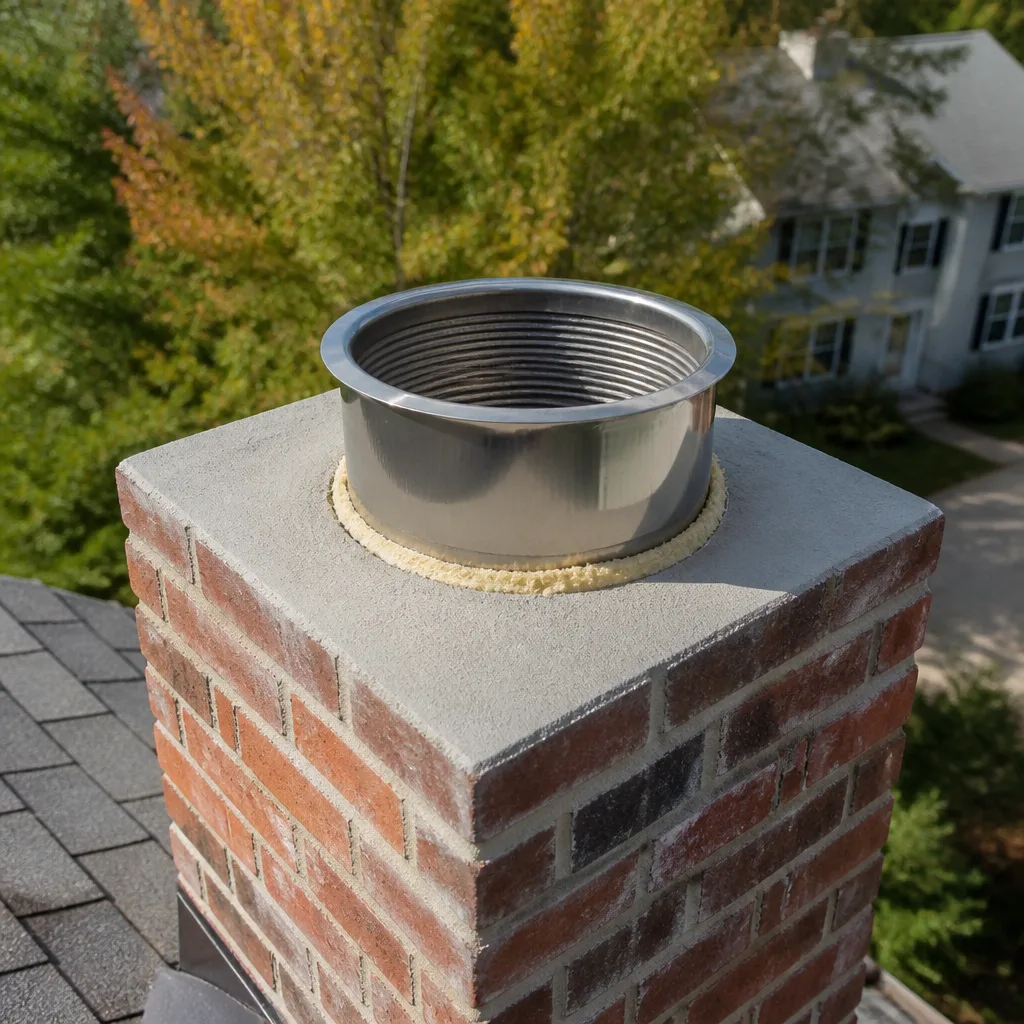 Flue relining
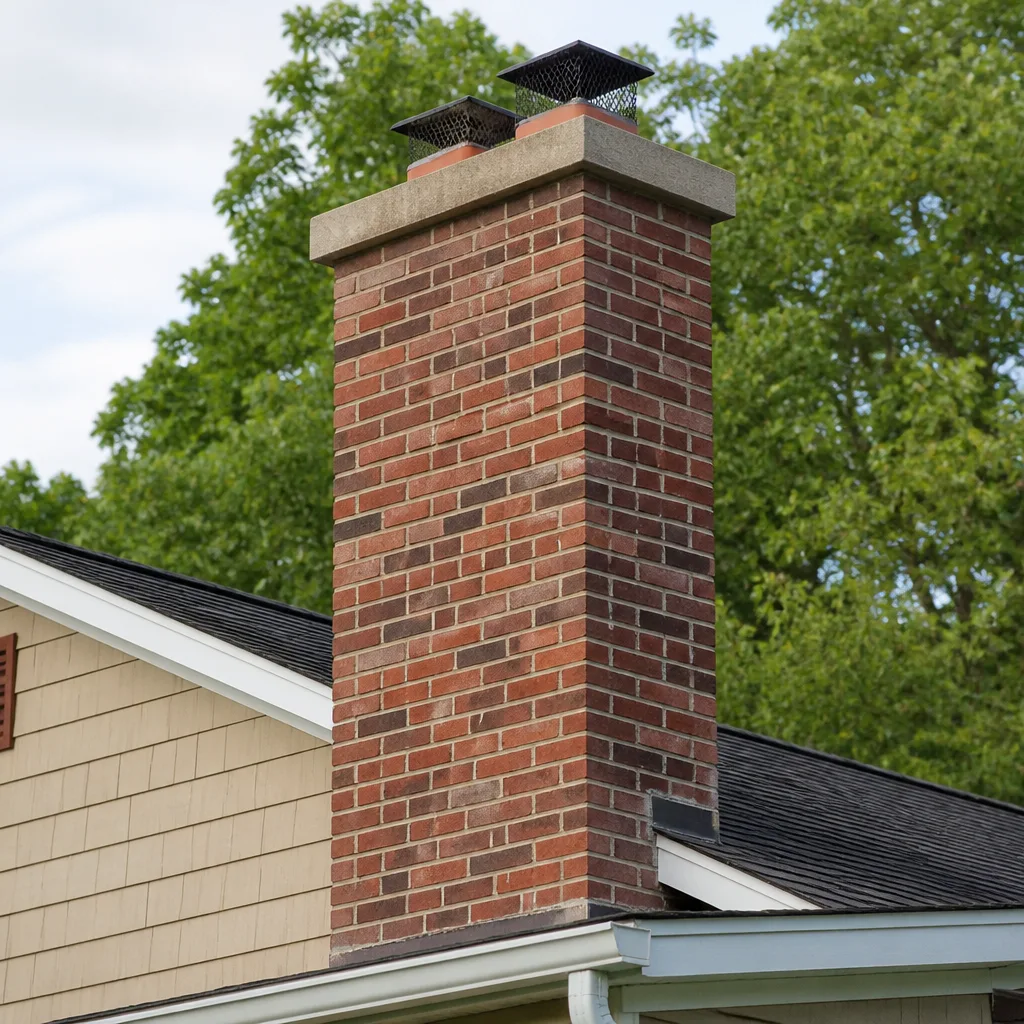 Masonry repair
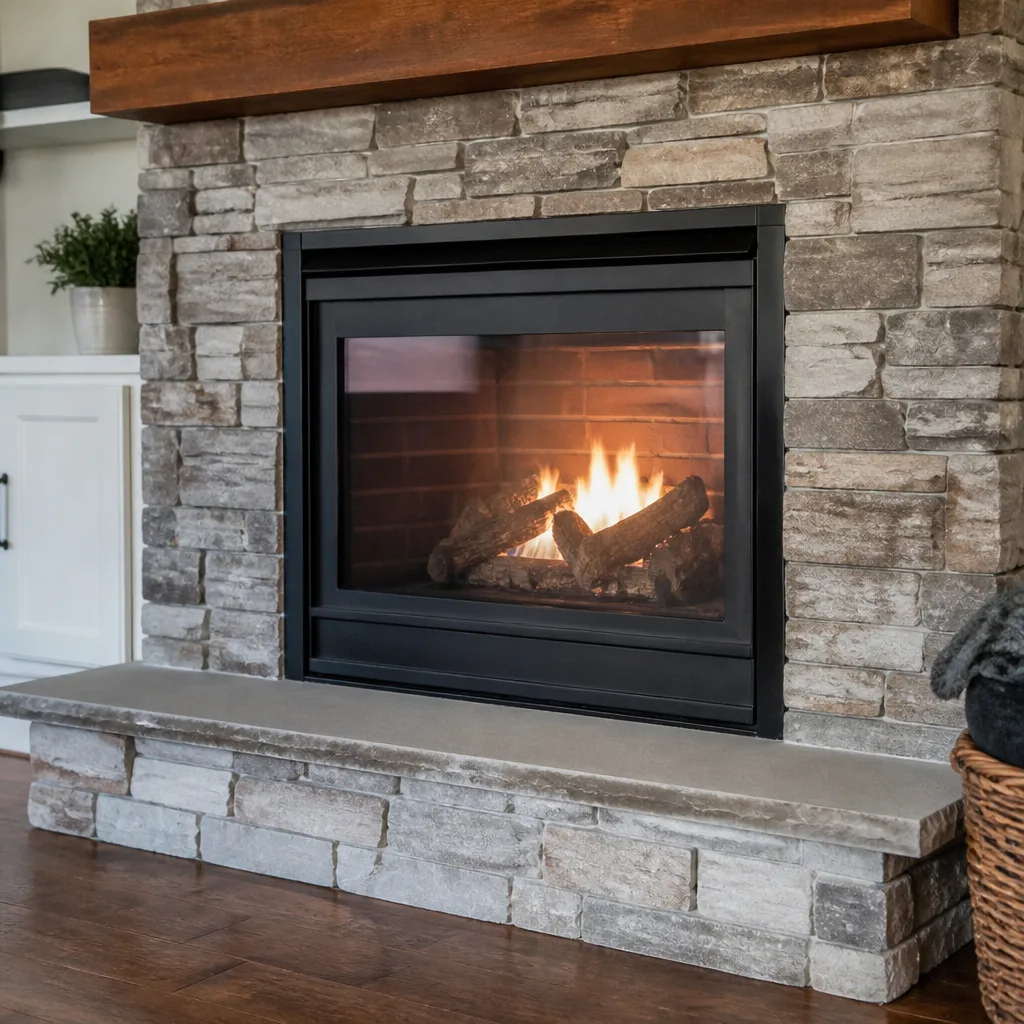 Gas fireplace service
Level 1 sweep and inspection to the NFPA 211 annual standard - flue, crown, cap, and flashing checked and photographed
Chimney sweep logs do not sweep chimneys. They loosen some creosote - which then falls where a brush and vacuum still have to collect it.
Chimney Sweep Maintenance Checklist for Provo Homeowners
The single most skipped item on homeowner chimney checklists is the smoke chamber. It’s a rough, corbeled masonry surface that sits right above the smoke shelf and collects creosote faster than the flue liner above it, yet most generic maintenance guides don’t mention it at all. That gap matters in Provo, where long cold-season burn cycles from October through March push a lot of smoke through that chamber. This guide walks a Provo homeowner through every component of a chimney system, one at a time: what to look at, what a homeowner can verify without tools, what needs a professional, and how to document it all. It’s built around the failure points we actually flag in Provo-area inspections, not a list copied from a national site.
Quick Answer
A chimney maintenance checklist for Provo homeowners should cover eight components (firebox, smoke shelf, smoke chamber, damper, liner, crown, cap, and flashing), should be done at least once a year, and should be heavier on inspection than on sweeping. Homeowners can visually verify several items themselves, but the liner, smoke chamber, and crown interior require a professional with a camera and specialized tools. Any checklist item that shows cracked masonry, rusted metal, or heavy creosote glaze should escalate immediately from maintenance to repair.
Styles & brands we work with
- Sweep & inspection
- Caps & crowns
- Flue relining
- Masonry repair
- Gas fireplace service
Table of Contents
- Why a Generic Checklist Falls Short in Provo
- The Component-by-Component Checklist
- What You Can Check Yourself vs. What Needs a Pro
- Maintenance Intervals by Burn Frequency
- How to Log Your Maintenance History for Insurance
- Red Flags That Escalate to Immediate Repair
- Common Mistakes to Avoid
- When to Call a Professional
Why a Generic Checklist Falls Short in Provo
National chimney maintenance guides are written for a climate average. Provo isn’t average. The cold-season window here is genuinely long. Many Provo households burn wood from October through March, and some stretch into April when spring nights still drop low. That run of months is far longer than the burn season in a mild-winter city, which means creosote accumulates faster and the annual sweep timing matters more.
There’s a second local factor most generic lists miss: the swing between cold nights and warmer daytime hours in the spring and fall shoulders. That swing causes masonry to expand and contract, and that movement is what turns a hairline crack in a crown or a mortar joint into a real leak over time. The crown in particular, being the flat concrete surface at the top of the chimney, cracks faster when it’s exposed to repeated freeze-thaw cycles rather than steady cold.
Provo also sits in a valley, and winter inversions hold smoke closer to the ground. That doesn’t damage the chimney itself, but it does mean a poorly drafting chimney pushes more smoke back into the room on still, cold days. If you’ve noticed smoke spilling into the living room on inversion days, that’s a real draft problem, not just weather. It’s one of the top complaints we hear in Provo, and it’s why the checklist below starts at the firebox, not the flue.
The Component-by-Component Checklist
Here’s the checklist organized the way a technician actually works through a chimney system: bottom to top, component by component. Each item tells you what to look for.
1. Firebox
The firebox is the metal or masonry box the fire sits in. Look for cracked firebrick, crumbling mortar joints between the bricks, and any gap where the firebox meets the surrounding masonry. Cracked firebrick lets heat reach the structure behind it. A firebox in solid shape is the foundation for everything above it.
2. Smoke Shelf
The smoke shelf is the flat ledge behind the damper that reverses the flow of smoke back up the flue. Debris collects here, and a clogged smoke shelf causes smoke to roll into the room instead of up the chimney. Check for soot buildup and any obstruction.
3. Smoke Chamber
This is the corbeled section above the smoke shelf, and it’s the most ignored component in most checklists. Its rough surface collects creosote like sandpaper. Look for heavy deposits, cracked parging, and gaps in the masonry. Repairing the smoke chamber typically means resurfacing it, which is where products like HeatShield come in, since they allow a rough chamber to be smoothed and sealed without rebuilding it.
4. Damper
The damper is the metal door above the fire that controls airflow. Open and close it. It should move freely, sit flush when closed, and not be warped or rusted. A stuck-open damper wastes heat; a stuck-closed one is a safety problem.
5. Liner
The liner is the flue itself, and it’s the component that matters most to safety. Look (with a professional’s camera) for cracked clay tile, gaps between tiles, spalling, and rusted metal liners. Any breach means hot gases and carbon monoxide can reach the structure of the house. This is where the professional inspection earns its keep every single time.
6. Crown
The crown is the concrete cap at the very top that sheds water away from the chimney. Look for cracks, spalling, and any section that no longer slopes away from the flue. A cracked crown is the most common entry point for water in Provo chimneys, and water is what destroys masonry.
7. Cap
The chimney cap is the metal or masonry hood over the flue opening. It keeps rain, animals, and debris out and helps with draft. Check that the mesh is intact, the cap is anchored, and there’s no rust or warping. A missing or damaged cap is a red flag on its own.
8. Flashing
Flashing is the metal seal where the chimney meets the roof. Look (with a pro’s eye, ideally from up top) for lifted, rusted, or missing flashing and for any roof stain near the chimney. Flashing failures let water in sideways, and they’re easy to miss from the ground.
What You Can Check Yourself vs. What Needs a Pro
Not every item on this checklist belongs in the homeowner’s hands. Some are everyday observations; some require cameras, ladders, and a trained eye. Knowing which is which saves time and prevents a false sense of security.
What a Provo homeowner can reasonably check
- Visual firebox: Shine a flashlight into the firebox and look for cracked firebrick or gaps.
- Damper operation: Open and close it before every burn season. It should move smoothly and sit flush.
- Cap from the ground: Use binoculars. Check the cap is present, the mesh is intact, and it’s not leaning or rusted.
- Exterior masonry: Look for missing mortar, stains, or leaning at the roofline.
- Smoke behavior: Notice whether smoke rolls into the room on cold, still days. That’s a draft signal.
- Rain intrusion: Check for dampness inside the firebox after a storm.
What genuinely needs a professional
- Inside the liner: Requires a camera and a trained read of the image. This is not a flashlight job.
- Smoke chamber surface: Rough corbeled masonry is hard to assess from below and easy to misjudge.
- Crown interior and top: Requires rooftop access and proper fall protection.
- Flashing: Best assessed from above and where it meets the roof deck.
- Creosote depth and type: Glazed, third-degree creosote needs a trained call on whether sweeping alone is enough.
If your liner or smoke chamber needs work, that’s the point where a specialist matters. We handle the whole sequence from inspection through chimney repair, and we source professional-grade products from brands like HeatShield and Gelco rather than whatever a hardware store stocks. That’s the difference between a fix that holds and one that gets red-flagged on the next inspection.
Maintenance Intervals by Burn Frequency
The single biggest scheduling mistake is treating all homes the same. A household that lights three fires a week has a different maintenance calendar than one that burns daily through the cold season. Here’s how to think about it.
Light use (under three fires per week)
- Annual sweep and inspection: One per year, ideally before the burn season starts.
- DIY checklist: Damper and cap check at the start of each season.
- Liner camera inspection: Every year is still worth it, especially the first year after a new installation.
Heavy use during Provo’s cold-season window (October through March)
- Sweep twice per season: Once before October and again around mid-season, especially if you’re burning softwood.
- Inspection each time: Sweeping without inspecting is like cleaning a wound without looking at it.
- Crown and flashing check: Once a year, after the freeze-thaw shoulder seasons.
- Mid-season draft check: Watch for smoke rolling into the room on inversion days.
If your burn habits fall somewhere in the middle, err toward the heavy-use schedule. A single sweep for a busy household isn’t wrong, but a mid-season glance catches more. If you’re not sure which camp you’re in, a chimney sweep with an inspection will tell you what your own burn pattern has actually produced inside the flue.
How to Log Your Maintenance History for Insurance
Insurance documentation is where most homeowner maintenance records fall apart. A shoe box of receipts doesn’t help when a claim comes up. A structured log does. Many insurers ask for proof of regular maintenance if you ever file a chimney-related claim, and a clean record also protects you at resale.
Here’s a format that works:
- Date of service. Note the day of every sweep and inspection.
- Service type. Sweep, Level I inspection, Level II inspection, liner inspection, cap or crown work, repair. Be specific.
- Technician findings. Note what was found, not just what was done. “Creosote depth moderate, no glaze” is more useful than “swept.”
- Photos. Keep the inspection photos with the date. Camera evidence is the strongest record there is.
- Work performed and products used. Note the brand when a product is installed (DuraFlex liner, HeatShield resurfacing, Gelco, Olympia Chimney). This matters if a warranty question ever comes up.
- Next scheduled service. Add a reminder for the following season while it’s fresh.
Store the log in a shared folder or a dedicated email label so it survives a phone change. If you’re planning to sell your Provo home, that history goes straight into the disclosure packet and saves you a scramble. We provide a written record with every visit, so your log builds itself if you file our paperwork properly.
Red Flags That Escalate to Immediate Repair
Most checklist items are maintenance. A handful are immediate repair. The distinction is whether the item puts your home or your health at risk right now, or whether it can wait for the next scheduled visit.
Escalate immediately if you see:
- Cracked or missing liner tiles, or a rusted-through metal liner. This is a carbon monoxide pathway. Stop burning until it’s assessed.
- Glazed, third-degree creosote in the flue. Glaze ignites more easily than flaky creosote and burns hotter.
- Missing or badly damaged chimney cap. Animals, rain, and debris enter freely.
- Cracked or spalled crown with visible water entry. Every wet cycle accelerates masonry damage.
- Smoke spilling into the room on cold days. A draft reversal or a blockage, each worth a professional look.
- Loose or missing mortar at the roofline or chimney shoulders. Structural movement may be underway.
- Damaged flashing with roof stains nearby. Water is already entering.
These aren’t upsell triggers. They’re the items where we’d honestly tell a Provo homeowner to stop using the fireplace until they’re addressed. If the checklist item is a “watch it” instead, we say so and you can safely wait.
Common Mistakes to Avoid
- Sweeping before inspecting. A sweep clears soot but doesn’t tell you what’s wrong. Inspect first, sweep second, repair before you light. That sequence is the whole job.
- Ignoring the smoke chamber. Because it’s not visible from the firebox and rarely mentioned in generic guides, it gets skipped. It’s the component that collects creosote fastest in Provo’s long burn season.
- Treating the cap as optional. A missing cap is not a small thing. Rain, birds, and snow enter freely, and the cost of the fix isn’t the point; the damage it triggers is.
- Skipping the inspection photo record. If you ever file a claim or sell the house, a photo folder with dates does more than a single invoice from three years ago.
- Burning softwood all season and expecting a clean flue. Softwood generates more creosote per cord. If you’re burning it heavily through the Provo cold season, plan for a mid-season sweep.
- Assuming “it looked fine from the ground.” A chimney can look solid from the yard and be cracked inside the liner. Camera inspection is the only way to know.
- Letting the crown go after freeze-thaw springs. Provo’s spring shoulder seasons move masonry. A crown that survived October may not survive April without a check.
When to Call a Professional
There are times the checklist turns into a phone call. Call right away if you’ve seen smoke back-drafting into the room on cold days, if the cap is missing or damaged, if there’s visible staining on the masonry or roof, if a firebox brick is cracked, or if the damper won’t move. If the fireplace hasn’t been inspected in more than a year, that alone is a reason to book. For homeowners staging a sale, an inspection now avoids surprises at inspection later.
The other “call a pro” trigger is the one most people never think about: gas fireplace service. A gas set logs different failure points than a wood fire (blocked vents, degraded logs, carbon monoxide risk from improper combustion), and it belongs on the checklist even though you’re not burning wood.
Provo Chimney Sweep offers free estimates in Provo. Call (866) 330-1947. We answer 24/7. Fast dispatch from 7am to 7pm, Sunday through Friday.
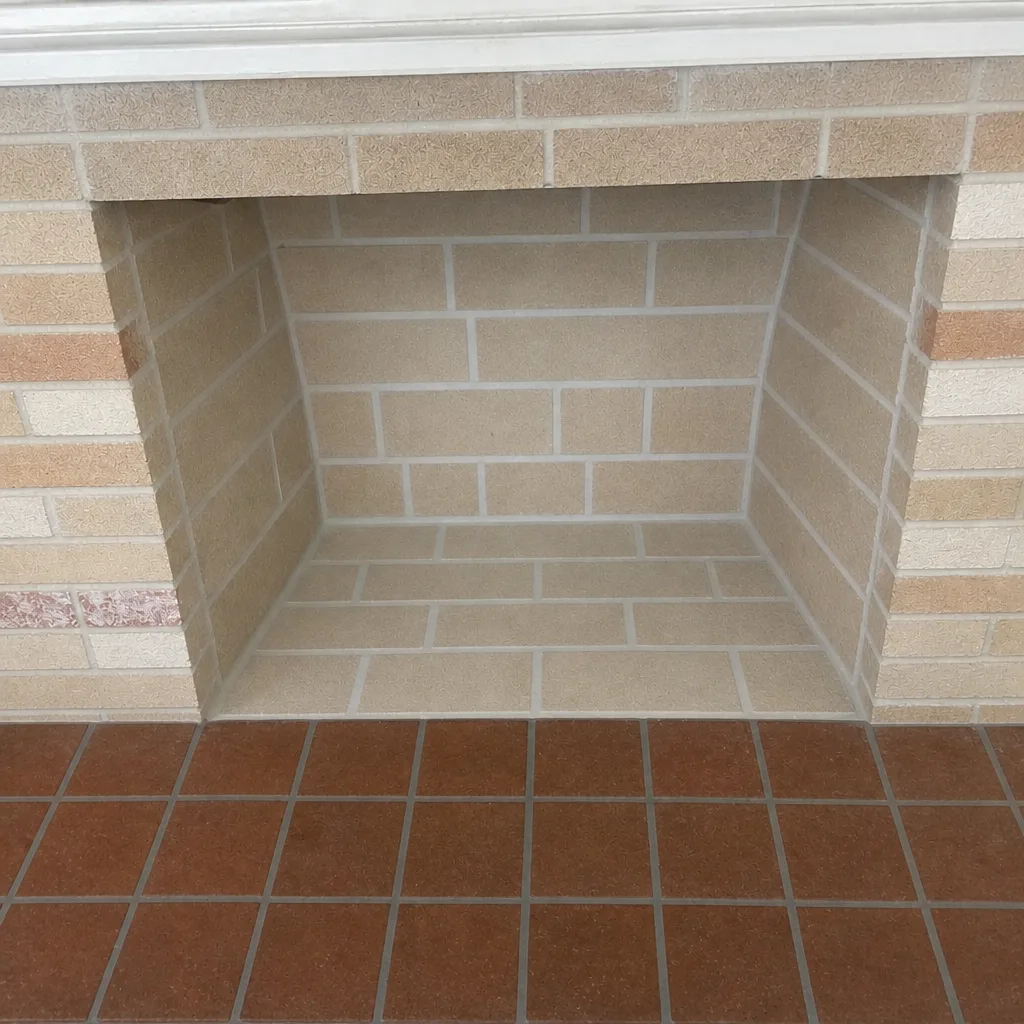
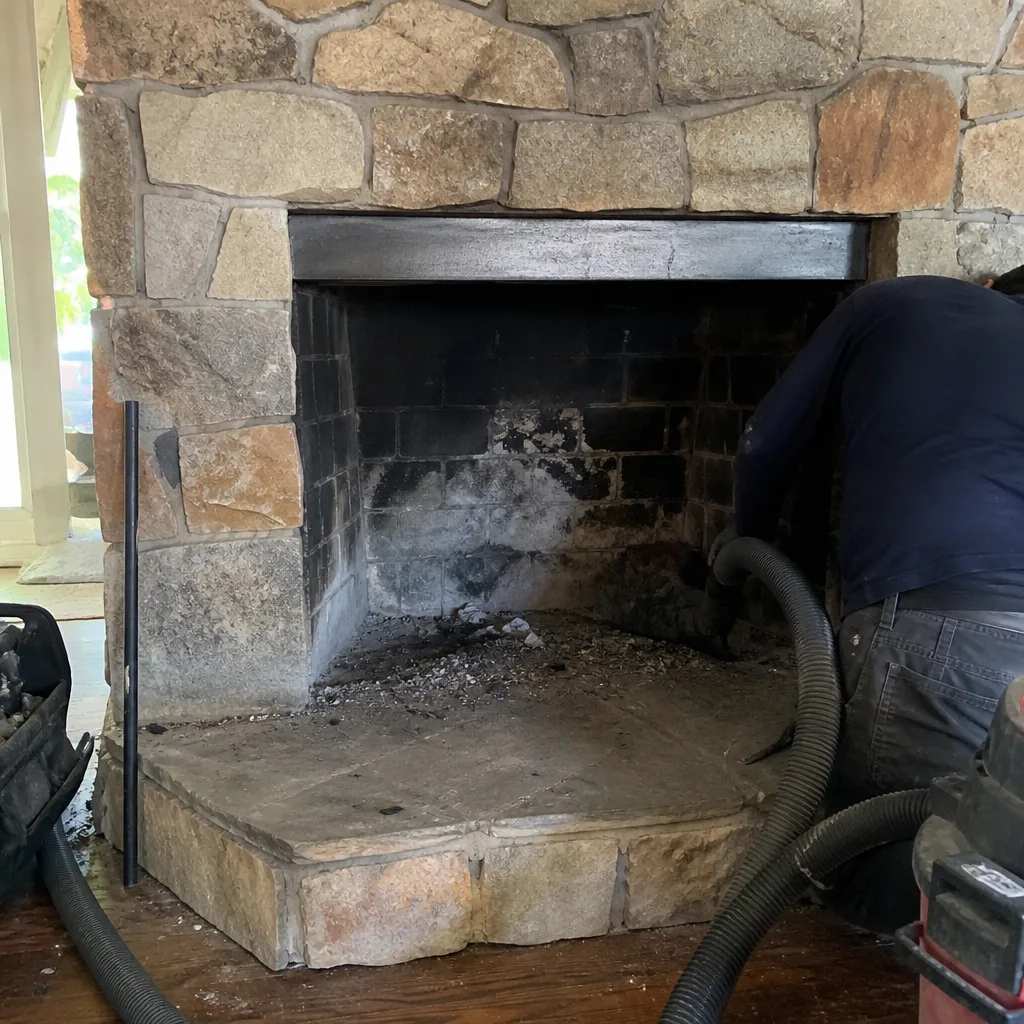
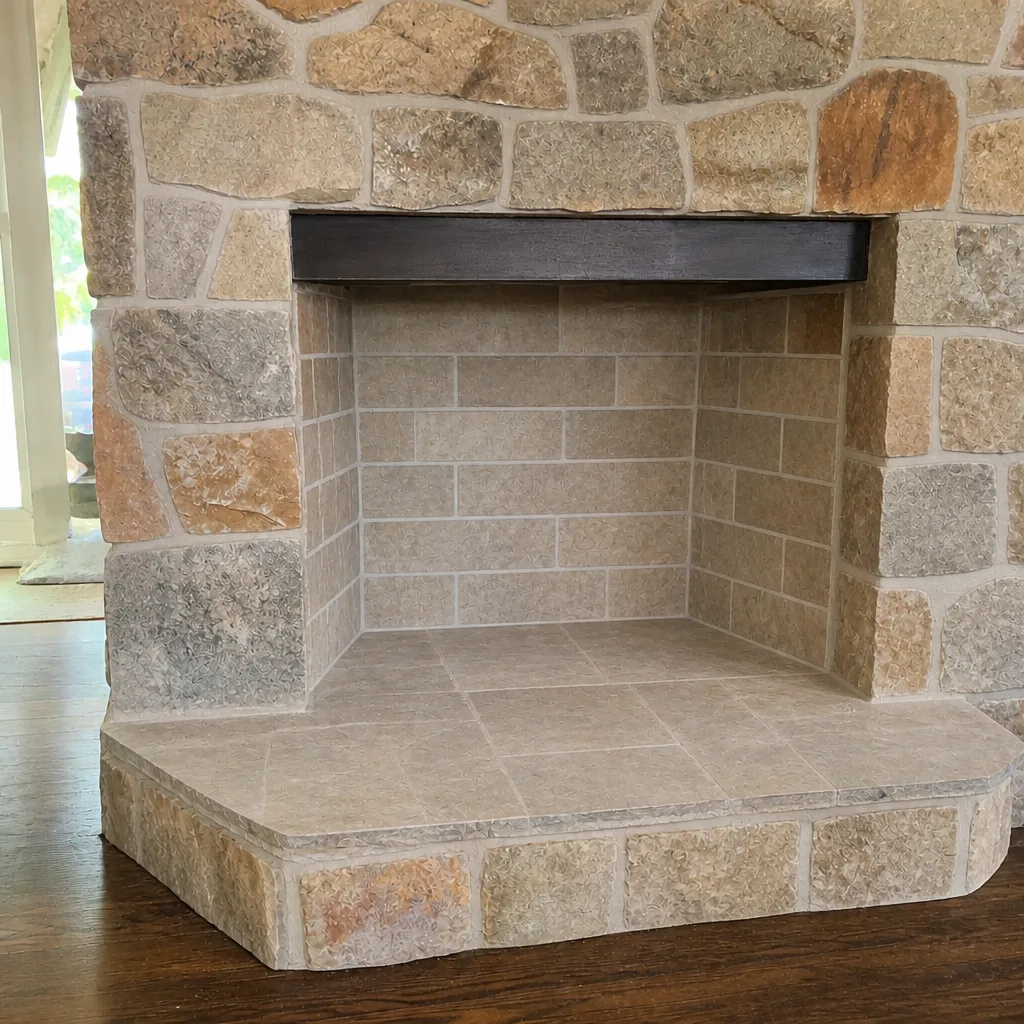
See the difference
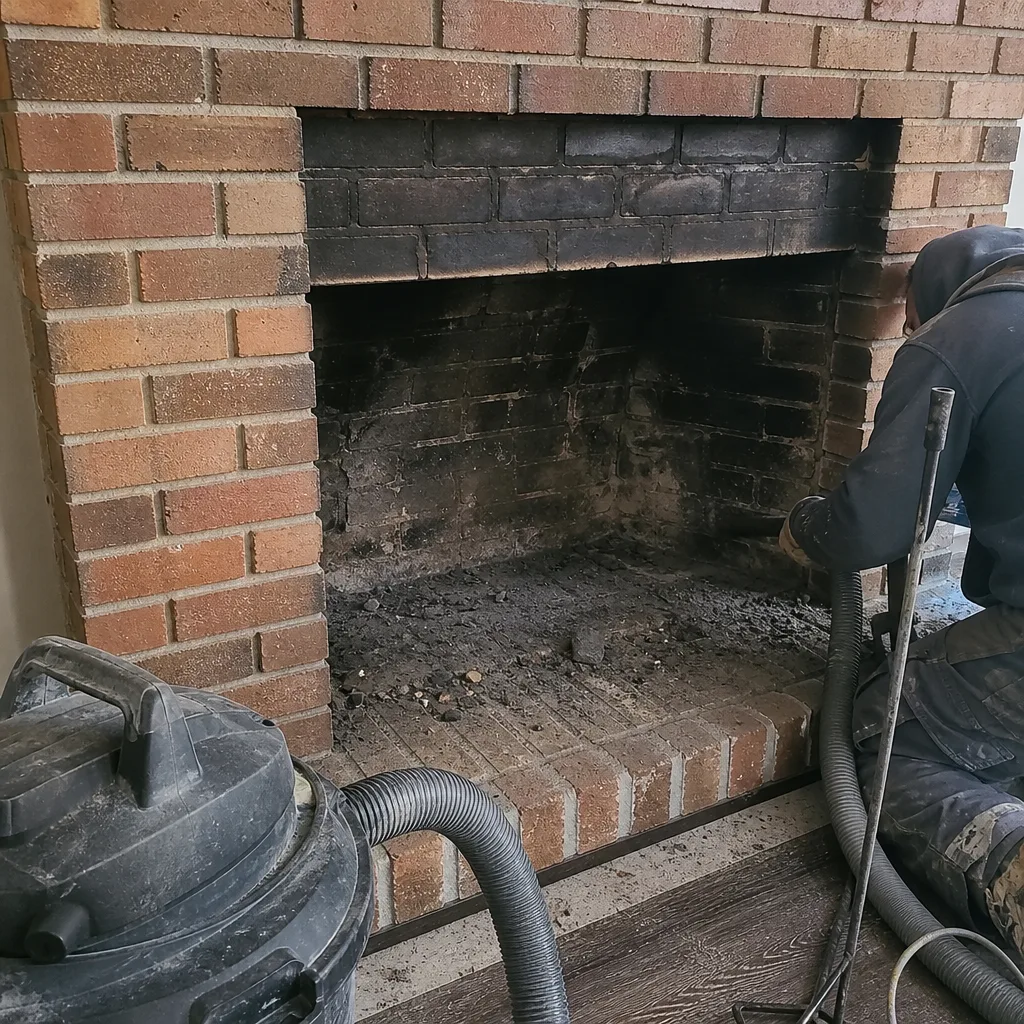 Before
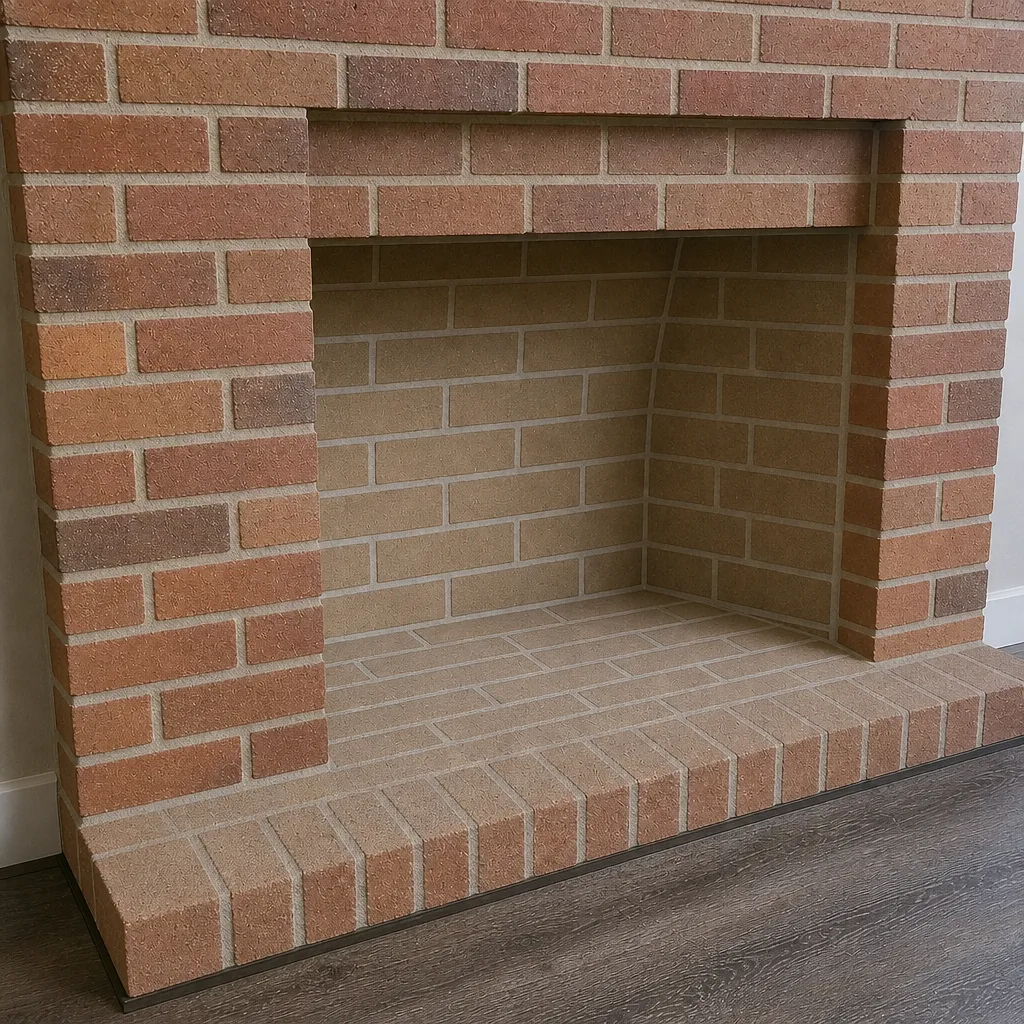 After
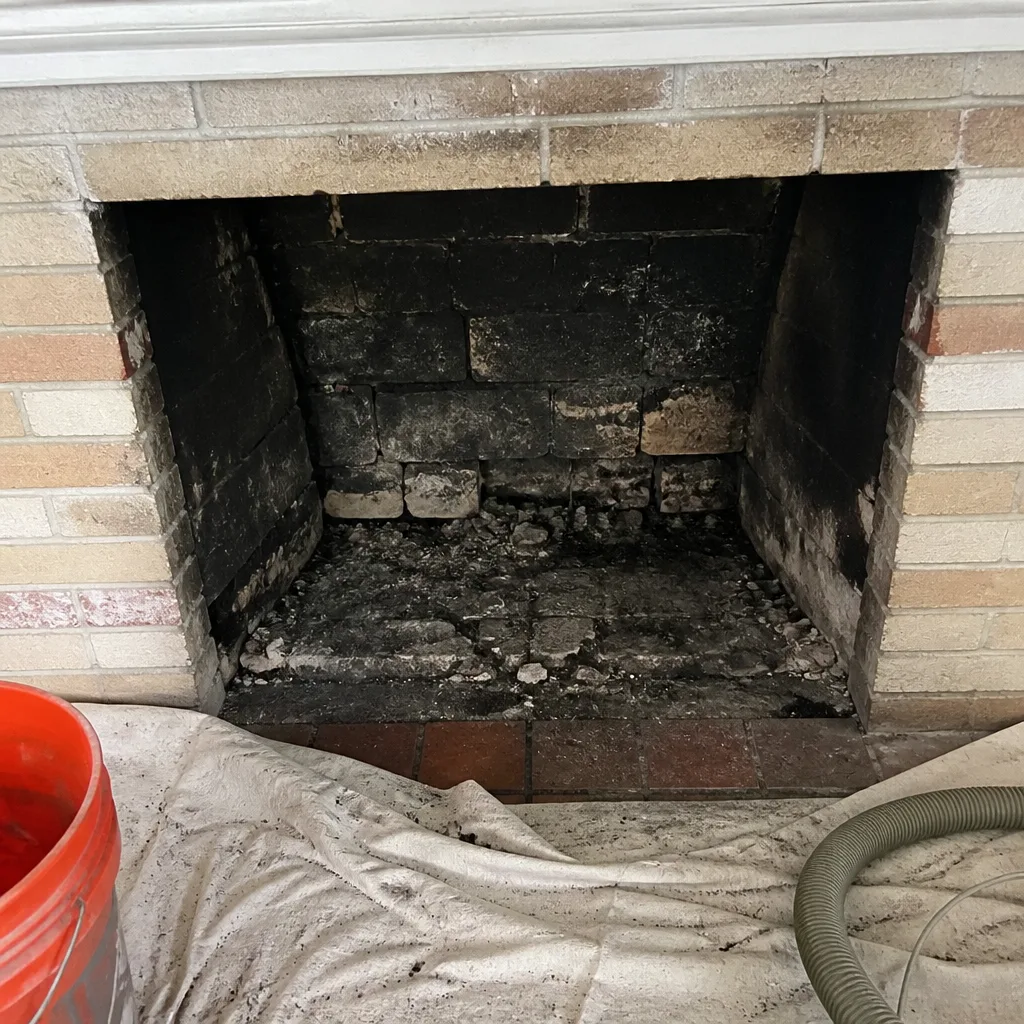 Before
 After
 Before
 After
Frequently Asked Questions
At least once a year, and twice per season if you burn wood more than three times a week through the October through March cold-season window. Provo’s long burn season means more creosote accumulates than in mild-winter cities, so a mid-season sweep is worth it for heavy users. Call (866) 330-1947 for an exact quote.
The smoke chamber. It sits above the smoke shelf and below the flue, and its rough corbeled surface collects creosote faster than the liner itself. Most generic maintenance lists don’t mention it, which is why we build our inspection around it. If your last sweep didn’t include a smoke chamber look, that’s the gap to close.
You can check the damper, the firebox visually, the cap from the ground with binoculars, and exterior masonry. You can’t safely inspect the liner, the smoke chamber, the crown interior, or the flashing without professional tools and training. Camera inspection is the only reliable way to see inside the flue.
A Level I inspection is a visual check of readily accessible portions, appropriate for a chimney in known-good condition with no changes. A Level II is more thorough, includes a video camera scan of the flue, and is required when a chimney changes use, after a chimney fire, or during a real estate transaction. Most first-time inspections in Provo should be Level II.
Yes. The crown is what sheds water away from the masonry, and in Provo’s freeze-thaw springs, cracks in it become the main entry point for water that destroys the chimney over time. A crown check is cheap. A rebuild from water damage isn’t. Crown repair is part of the chimney repair work we do, and we use named supplier products rather than improvised patching.
It depends on what the camera finds. If the clay tiles are intact but the smoke chamber is rough and poorly sealed, resurfacing with a product like HeatShield often solves it without replacing the liner. If the tiles are cracked or the liner is compromised, a stainless-steel liner system like DuraFlex is the right fix. The photo evidence decides, and we show it to you before recommending anything.
Yes, with additions. Gas units don’t generate creosote, but they need vent inspection and log and burner checks. We handle gas fireplace repair alongside wood-burning service, so a single visit covers both if you have one of each.
The Bottom Line
A chimney maintenance checklist works when it’s built for your chimney system, not a generic national average. The firebox, smoke shelf, smoke chamber, damper, liner, crown, cap, and flashing each fail in specific ways, and each has a different response: some maintenance, some immediate repair. Provo’s long October-to-March burn season and its freeze-thaw springs raise the stakes on creosote and crown checks, so a twice-season sweep plus an annual inspection covers heavy-use households. The homeowner-verifiable items are useful but limited; the liner, smoke chamber, and crown interior need a pro. Log everything with photos. And when the checklist escalates, get a specialist on it rather than a generalist. Written by the team at Provo Chimney Sweep.
Need an inspection, sweep, or repair for your Provo chimney? We carry professional-grade parts from HeatShield, Gelco, Olympia Chimney, and Famco, we install them, and we stand behind the work. Call (866) 330-1947. We answer 24/7. Fast dispatch from 7am to 7pm, Sunday through Friday. Estimates are free, and there’s no fee to get one.
Written by the team at Provo Chimney Sweep.